Top 10 Grant Writing Mistakes and How to Avoid Them
- August 21, 2026
- No Comments
- Michelle Bennett
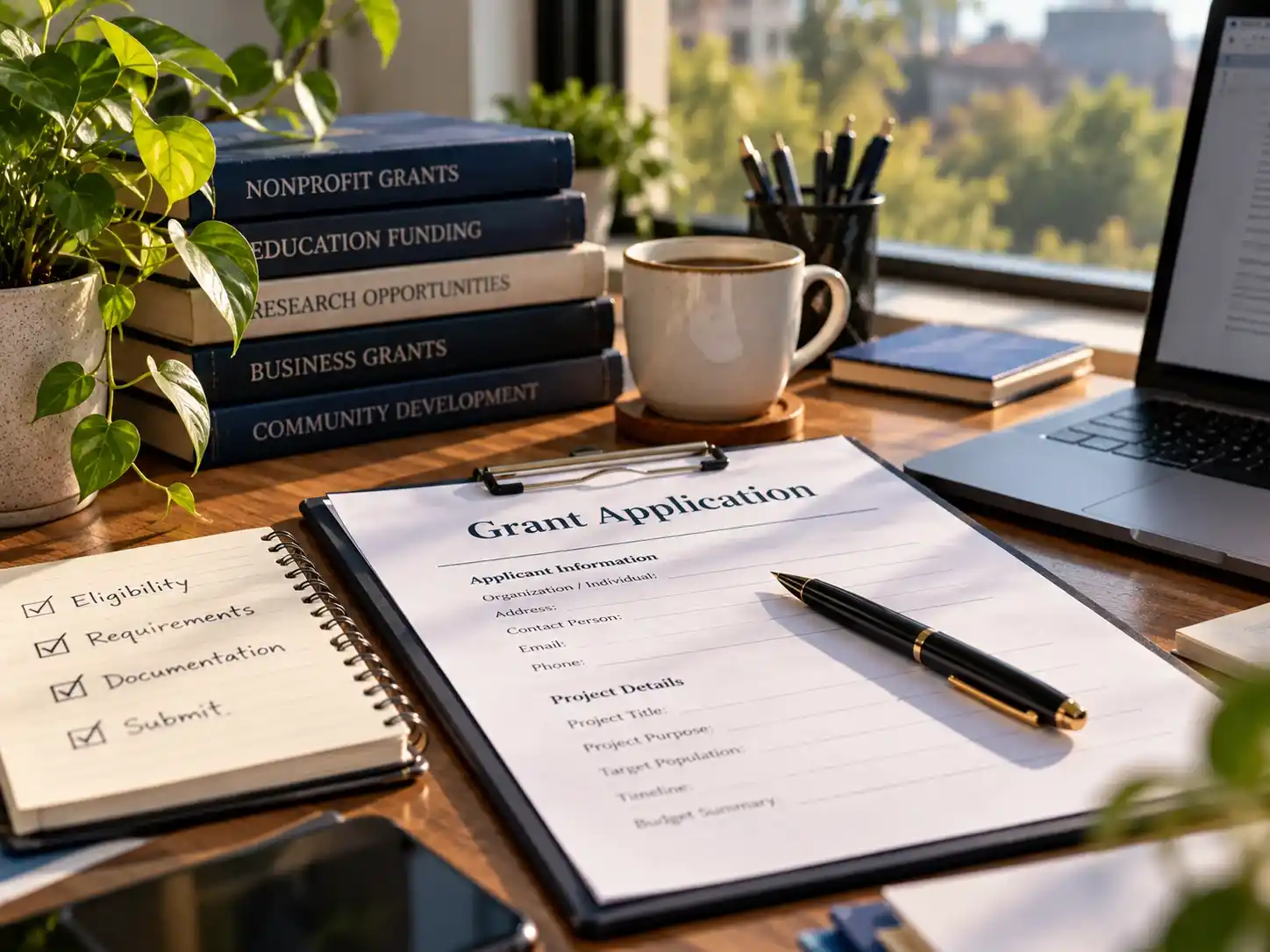
Common Pitfalls That Can Cost You Funding—and Strategies to Avoid Them
Grant funding plays a crucial role in helping nonprofits, research institutions, startups, and community organizations turn ideas into reality. However, securing funding isn’t easy.
Many grant proposals fail not because the project idea is bad, but because of avoidable mistakes in the proposal itself. Think of grant writing like pitching a movie to a studio. You might have the most brilliant story ever conceived—but if your pitch is confusing, poorly structured, or doesn’t align with what the studio wants, it’s unlikely to succeed.
In this comprehensive guide, we’ll explore the top 10 grant writing mistakes organizations and researchers commonly make—and more importantly, how you can avoid them.
Grant Writing Mistake #1: Ignoring the Funder’s Guidelines

One of the biggest and most frustrating mistakes in grant writing is ignoring or misunderstanding the funding guidelines. It sounds obvious, yet it happens surprisingly often.
Grant providers publish detailed requirements regarding eligibility, formatting, page limits, documentation, deadlines, and evaluation criteria. If your proposal fails to follow these instructions, it may never even reach the review stage. When applicants skip these details, proposals are often rejected immediately during the preliminary review stage.
Imagine submitting a proposal with the wrong font size or missing documents. To a reviewer, this signals a lack of attention to detail. And if an organization can’t follow simple instructions during the application process, funders may question whether it can manage grant funds responsibly.
To avoid this mistake:
- Read the grant guidelines multiple times
- Create a compliance checklist
- Confirm all requirements before submission
- Align every section of the proposal with the funding priorities
A well-structured application demonstrates professionalism and credibility, both of which significantly influence funding decisions.
Grant Writing Mistake #2: Neglecting to Proofread
Failing to proofread a grant proposal is one of the most common mistakes applicants make. Even if your project idea is strong and well-planned, simple grammar mistakes, spelling errors, or unclear sentences can make your proposal look unprofessional.
Grant reviewers often go through many applications in a short time, and a proposal filled with errors may give the impression that the applicant was careless or rushed. This can reduce the credibility of your proposal and make it harder for reviewers to fully understand your project.
To avoid this mistake:
- Read the proposal slowly and carefully
- Use proofreading tools
- Ask someone else to review it
- Check formatting and consistency
By carefully proofreading your grant proposal, you can present a clear, professional, and credible application.
Grant Writing Mistake #3: Submitting Generic Copy-Paste Proposals
Another common mistake is submitting the same proposal to multiple funders without customizing it. While this approach might save time, it rarely leads to success.
Funders can easily recognize generic proposals. When a proposal doesn’t reference the funder’s mission or priorities, it feels impersonal and disconnected. Funding organizations want to support projects that align with their goals—not just any good idea.
To avoid this mistake:
- Adapt your proposal for each funder
- Analyze the organization’s funding focus, previous grant allocations, and long-term strategic objectives.
- Highlight how your project directly supports those priorities
Even small adjustments like referencing the funder’s mission or tailoring your project description, can make your proposal feel far more relevant and persuasive.
Grant Writing Mistake #4: Weak or Unclear Problem Statement
The problem statement (also called the needs statement) is the foundation of any grant proposal. If reviewers don’t clearly understand the issue your project addresses, they are unlikely to support it.
Funders want to see evidence-based arguments that demonstrate the urgency and importance of the problem. A weak problem statement often lacks evidence or clarity. Instead of explaining the issue with data and context, it relies on vague claims or general observations.
To avoid this mistake:
- Provide clear evidence of the issue
- Use reliable statistics and research
- Provide local context and real-world examples
- Clearly explain who is affected and why
- Explain why the problem requires immediate attention
Avoid generic statements such as “Our community faces many challenges.” Instead, describe the problem with precision and measurable context.
A strong problem statement doesn’t just describe a problem—it persuades (convinces) the reader that solving it matters.
Grant Writing Mistake #5: Creating an Unrealistic Budget
The project budget is one of the most scrutinized (inspected) sections of a grant proposal. An unrealistic or poorly justified budget signals poor financial planning.
Reviewers carefully examine financial plans to ensure that funds will be used responsibly and effectively.
Common budget mistakes include:
- Overestimating expenses
- Underestimating project costs
- Missing cost explanations
- Budget not aligned with activities
To avoid this mistake your budget must be:
- Transparent
- Accurate
- Well-justified
The key is transparency. Every line item should have a clear explanation showing how it supports the project.
Funders prefer proposals that demonstrate financial responsibility and careful planning.
Grant Writing Mistake #6: Lack of Supporting Data and Evidence
Data is the backbone of persuasive grant writing. Funders want to know that your project is based on real needs and informed by evidence.
This means including research studies, community surveys, government statistics, and other reliable sources.
To avoid this mistake:
- Use reliable statistics and research
- Provide evidence (Government reports, Academic research or Pilot project results)
- Create a checklist of supporting information
Strong data also demonstrates preparation. It shows reviewers that your organization has taken the time to analyze the issue and design a thoughtful solution.
Grant Writing Mistake #7: Poor Formatting and Presentation
Presentation matters more than many grant writers realize. Reviewers often have limited time to evaluate proposals, so a document that is difficult to read can quickly become frustrating.
Common formatting mistakes include:
- Inconsistent fonts
- Missing headings
- Dense paragraphs filled with jargon
These issues make it harder for reviewers to understand your proposal and may negatively impact their evaluation.
To avoid this mistake:
- Use proper headings
- Consistent formatting
- Simple language
It helps reviewers quickly identify key information.
The goal is not just to write a strong proposal, it’s to make that proposal easy to read and evaluate.
Grant Writing Mistake #8: Ignoring Sustainability Plans and Impact Measurement
Funders rarely want to support projects that disappear when the grant money runs out. They want to invest in initiatives that create lasting change.
Also funders want to see how success will be measured and reported. Many proposals fail because they lack a strong evaluation framework.
To avoid this mistake:
- Add future fundraising strategies
- Show Performance indicators
- Demonstrate Long term results
- Reporting systems
A well-designed sustainability plan plus evaluation process shows that the organization values accountability and long-term sustainability.
Grant Writing Mistake #9: Lack of Alignment With Funder Priorities
Grant funders have specific missions and strategic goals. When proposals fail to align with those goals, they rarely succeed.
Many applicants draft a proposal first and then attempt to fit it into every grant opportunity available. This approach fails because reviewers can immediately detect when a project does not match their priorities.
To avoid this mistake:
- Research the funder’s mission statement
- Review previously funded projects
- Study evaluation criteria
- Use language that reflects the funder’s strategic goals
Successful proposals demonstrate clear alignment between the project outcomes and the funder’s objectives.
Grant Writing Mistake #10: Waiting Until the Last Minute
Procrastination is a silent grant killer. Many proposals are rushed because writers start too close to the deadline.
Last-minute writing leads to:
- Missing documents
- Formatting mistakes
- Weak arguments
- Incomplete budgets
Strong proposals require careful drafting, revision, and proofreading.
To avoid this mistake:
- Start preparation weeks in advance
- Allow time for internal review
- Verify every document before submission
- Submit at least 24 hours before the deadline
Early preparation dramatically improves accuracy and proposal quality.
Writing a compelling grant proposal, while avoiding these mistakes can significantly improve your chances of winning grants—but writing a strong, compliant proposal still requires strategy and expertise. Discover how our Grant Writing Company helps organizations craft winning proposals and secure funding.
What Is the Real Cost of Grant Writing Errors?
Grant writing is not just about the final outcome, it is about the investment of time and resources that go into creating a proposal. Studies show that preparing a grant proposal can take over 100 hours of work on average.
Now imagine spending weeks preparing a proposal only to receive a rejection email that says little more than “We regret to inform you…”, only because you missed a formatting rule or failed to explain your budget clearly. That’s time your organization could have spent improving programs, serving communities, or pursuing better-aligned funding opportunities.
Avoiding common grant writing mistakes doesn’t just increase your chances of success, it also saves valuable time and effort. By understanding what funders expect and how proposals are evaluated, you can focus your energy on writing stronger, more competitive applications.
If you want to improve your chances of approval and understand how professional support can strengthen your proposals, read How a Grant Writing Company Improves Your Approval Chances.
Why Grant Proposals Get Rejected
Let’s start with a simple truth: grant reviewers read dozens, sometimes hundreds of proposals for a single funding opportunity. With that level of competition, even small mistakes can push your proposal into the rejection.
Grant reviewers typically evaluate proposals based on criteria such as:
- Alignment with funding priorities
- Clarity of the project
- Feasibility
- Financial planning
If any of these areas feel weak or incomplete, reviewers may quickly move on to stronger submissions. Something as small as ignoring page limits or formatting rules can disqualify an otherwise strong proposal.
If you’re new to the process and want to understand the basics more clearly, read our beginner friendly guide Grant Writing for Beginners to learn how to start writing stronger grant proposals.
Conclusion
Crafting a grant proposal requires both creativity and careful planning. While the process may seem complicated, many rejected proposals share the same avoidable mistakes, like: ignoring guidelines, submitting generic proposals, unclear objectives, weak budgets, and rushed submissions.
The good news? These mistakes are completely preventable.
By carefully following funder guidelines, tailoring proposals to specific opportunities, using strong data, and allowing time for revisions, you can dramatically increase your chances of success.
Successful grant writers aren’t just good storytellers, they’re strategic communicators who understand what funders want and present their ideas clearly and convincingly.
Avoid these common pitfalls, and your next grant proposal could be the one that gets funded.
Frequently Asked Questions
1. What is the most common mistake in grant writing?
One of the most common mistakes is not following the funder’s guidelines. Many proposals are rejected simply because they fail to meet formatting requirements, page limits, or submission rules.
2. How long does it take to write a grant proposal?
Research shows that writing a grant proposal can take over 100 hours on average, depending on the complexity of the project and the funding requirements.
3. How can I improve my chances of winning a grant?
Focus on aligning your proposal with the funder’s priorities, providing strong data, creating a realistic budget, and clearly explaining the impact of your project.
4. What makes a strong grant proposal?
A strong proposal includes a clear problem statement, measurable objectives, evidence-based solutions, a detailed budget, and a sustainability plan.
5. Should I use the same proposal for multiple grants?
No. While you can reuse certain sections, each proposal should be customized for the specific funder to reflect their priorities and mission.
Need Help?
Contact our grant writing experts today to get your right Professional Grant Writer

Author-Michelle Bennett
Lead Proposal Writer
Michelle Bennett is a Lead Proposal Writer with more than 17 years of experience writing persuasive grant proposals for nonprofits, small businesses, startups, educational organizations, and community initiatives. She specializes in transforming complex projects into clear, compelling narratives that align with funder priorities and evaluation criteria.
Her work focuses on developing customized grant proposals, strengthening project narratives, and ensuring every application communicates measurable outcomes, organizational capacity, and long-term impact. Through strategic storytelling and careful attention to detail, she helps clients submit proposals that are clear, competitive, and funder-ready.
Reviewed By-Jason Brooks
Table of Contents
- Common Pitfalls That Can Cost You Funding—and Strategies to Avoid Them
- Grant Writing Mistake #1:
- Grant Writing Mistake #2:
- Grant Writing Mistake #3:
- Grant Writing Mistake #4:
- Grant Writing Mistake #5:
- Grant Writing Mistake #6:
- Grant Writing Mistake #7:
- Grant Writing Mistake #8:
- Grant Writing Mistake #9:
- Grant Writing Mistake #10:
- What Is the Real Cost of Grant Writing Errors?
- Why Grant Proposals Get Rejected
- Conclusion
- FAQs