
Animal Shelter Grants: How to Find, Apply, and Get Funded in 2025–2026
- August 21, 2026
- No Comments
- Emily Carter
Your Step-by-Step Guide to Securing Funding for Lifesaving Animal Programs
Animal shelter grants are dedicated funds awarded to nonprofits, rescue organizations, and humane societies to support animal care, operations, and lifesaving programs. To apply, organizations typically need 501(c)(3) status, a clear project description, and a completed application submitted through a funder’s official portal or letters of interest process.
Animal shelters operate at the frontline of animal welfare, providing rescue, rehabilitation, medical care, and rehoming services.
Securing consistent funding is the foundation of a sustainable animal rescue or sanctuary. In this comprehensive guide, you will get an actionable framework for identifying, applying for, and managing animal shelter grants—optimized for organizations seeking long-term growth, operational stability, and measurable impact.
Understanding Animal Shelter Grants and Their Importance
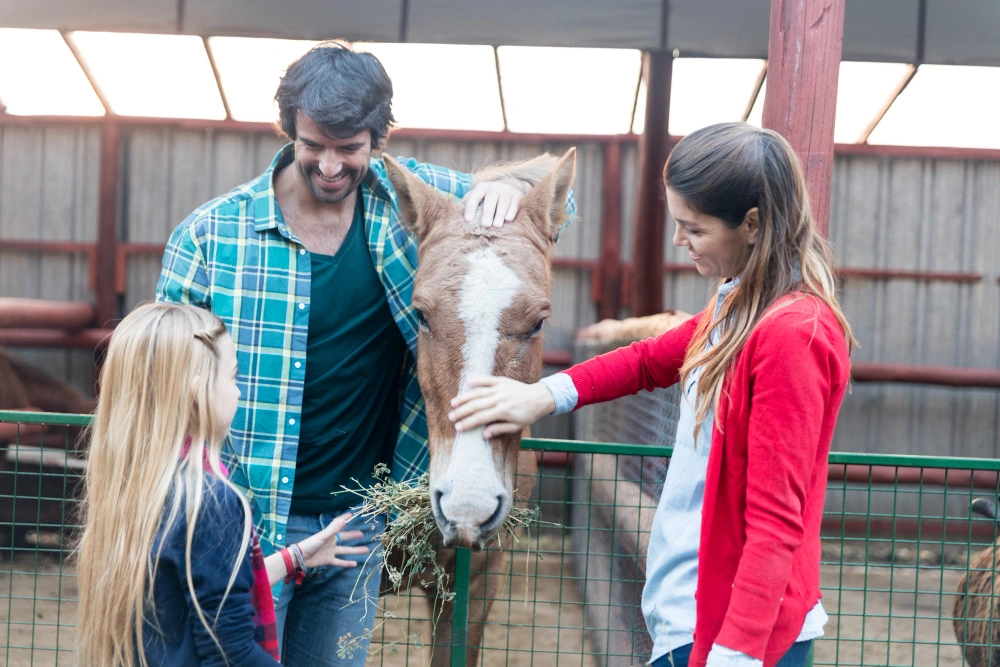
Running an animal shelter is one of the most mission-driven, resource-intensive endeavors in the nonprofit sector. Staff, veterinary care, food, facility upkeep, and emergency response all demand consistent funding—yet donations alone rarely cover everything. For thousands of shelters and rescue groups across the country, grants are not a bonus; they are a lifeline.
The good news is that 2025 and 2026 represented a period of significant investment in animal welfare. Major foundations, pet industry corporations, and private donors are channeling millions into the sector. The challenge is knowing,
- Where to look
- How to apply
- How to make your organization stand out
This guide is built for shelter directors, rescue coordinators, and animal welfare professionals who want real answers — not vague advice. Whether you are a first-time applicant or a seasoned grant seeker looking to expand your funding base, this resource will walk you through every step of the process.
What Are Animal Shelter Grants?
Animal shelter grants are non-repayable funds awarded by foundations, corporations, and government agencies to organizations that provide care for animals. Unlike loans, grants do not need to be paid back — making them one of the most valuable financial tools available to the nonprofit animal welfare community.
These funds can support a wide range of programs: from building new kennel facilities and adoption services to funding spay/neuter initiatives, from training shelter staff to purchasing medical equipment. Grant funding is typically project-specific or tied to measurable outcomes, meaning funders want to see how their investment will create demonstrable impact.
With millions of animals entering shelters every year, funding gaps can directly affect survival rates and quality of care. That’s why grant programs often prioritize projects that improve adoption outcomes, reduce euthanasia rates, and enhance community outreach efforts.
Grants are available to a broad range of applicants, including municipal shelters, private humane societies, companion animal rescue organizations, and foster-based networks. The eligibility criteria vary by funder, but most require that the recipient organization hold 501(c)(3) nonprofit status and operate transparently with documented financials.
Top Animal Shelter Grant Opportunities in 2026
Understanding the funding landscape starts with knowing who is giving and what they support.
ASPCA Grants
The ASPCA offers multiple grant programs targeting shelters and rescue organizations working to reduce euthanasia, strengthen community cat management, and expand access to veterinary services.
ASPCA grants are competitive and often favor organizations with strong data systems and demonstrated community partnerships. Their grant cycle typically opens annually, and letters of interest or full applications are reviewed on a rolling or cohort basis.
PetSmart Charities
PetSmart Charities is one of the largest funders in the companion animal space, distributing millions of dollars each year to organizations focused on ending pet homelessness. Their grant program supports adoption events, foster care infrastructure, and community-based safety net programs.
PetSmart Charities funds both small local rescues and large regional humane societies, making it one of the more accessible grant opportunities for organizations of varying sizes.
Petco Love
Petco Love (formerly the Petco Foundation) invests in lifesaving work through its national network of pet adoption partners. The organization provides financial support to groups actively saving lives in shelters and rescues, with an emphasis on data-driven impact. Their grants are structured around measurable outcomes, particularly live release rates and adoption numbers.
Bissell Pet Foundation
The Bissell Pet Foundation focuses specifically on ending pet homelessness. It funds spay/neuter programs, emergency foster campaigns, and large-scale adoption events. The foundation’s “Empty the Shelters” initiative has partnered with hundreds of shelters across the country to cover adoption fees and fund operational support during high-intake seasons.
Banfield Foundation
The Banfield Foundation provides veterinary care funding to underserved shelters and nonprofits. Their grant program offers financial assistance for medical equipment, preventive care, and emergency veterinary services. Organizations that serve low-income pet owners or operate in medically underserved regions are particularly well-positioned to receive Banfield Foundation support.
Pedigree Foundation
The Pedigree Foundation has a clear mandate: help more dogs find loving homes. Their grants target adoption programs, shelter improvements, and community outreach that increases dog placement rates. The Pedigree Foundation grant program is a good fit for registered nonprofits with a direct focus on dog welfare.
Best Friends Animal Society
Best Friends Animal Society funds mission-aligned organizations through its network grants and targeted programs. Their support is especially valuable for shelters working toward no-kill goals, community cat programs, and regional collaboration initiatives. Best Friends frequently co-invests with local shelters to expand capacity and implement best practices in animal care.
Rachael Ray Save Them All Grants
The Rachael Ray Save Them All Grants program — formally known as the Rachael Ray no-kill excellence initiative — provides funding to shelters and rescues committed to ending unnecessary euthanasia.
These grants have supported hundreds of organizations in building the infrastructure needed to achieve and maintain no-kill status. The program is particularly attentive to how organizations use data to drive lifesaving decisions.
Types of Grants Available for Animal Shelters
The grant landscape for animal welfare spans several distinct funding categories:
Disaster Relief Grants
When natural disasters strike, pets in need face compounding crises. Disaster relief grants provide emergency funding to nonprofit animal welfare organizations impacted by natural disasters, helping shelters surge capacity, transport animals out of affected areas, and continue operations during and after a crisis.
Veterinary Care Funding
Medical costs are among the largest line items in any shelter budget. Grants targeting veterinary care help organizations provide surgeries, vaccinations, diagnostics, and spay/neuter services they could not otherwise afford.
Adoption and Foster Programs
Grants under this category support the infrastructure needed to move animals from shelters into permanent or temporary homes. Funding can cover marketing, foster coordination software, home visit programs, and post-adoption support.
TNR Programs
Trap-Neuter-Return programs are a cornerstone of community cat management. Many funders earmark grants specifically for TNR, recognizing it as an evidence-based strategy for reducing shelter intake over time.
General Operating Support
Some funders provide financial support for day-to-day operations, recognizing that strong infrastructure is what makes mission-driven work sustainable. These grants are among the most flexible and most competitive.
If you’re exploring funding opportunities beyond animal welfare, check out our detailed guide on Types of Grants Available in the US, where we break down the major grant categories and how to identify the right fit for your organization.
How to Apply for an Animal Shelter Grant
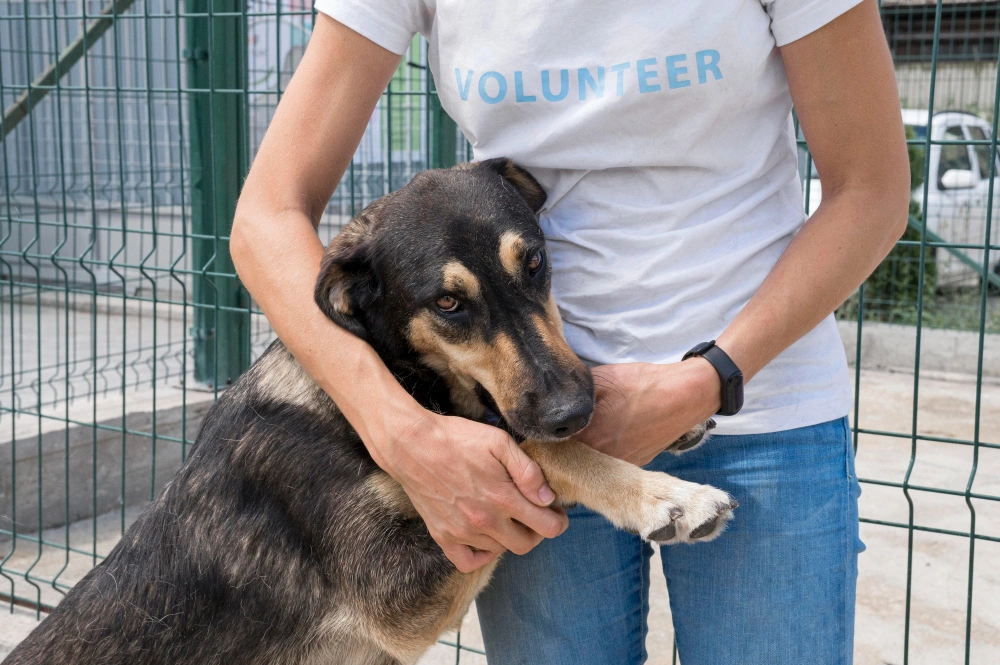
Below are the key steps to successfully apply for an animal shelter grant:
Step 1: Identify the Right Opportunities
Start by researching grant programs whose focus areas align with your organization’s mission. Use funder websites, grant databases, and sector newsletters to track who is currently accepting applications.
Grant Research Services can assist in identifying the most relevant opportunities, helping you match your programs to each funder’s priorities before investing time in a full application.
Step 2: Prepare Your Documents
Most funders require a current IRS determination letter, recent financial statements, a board roster, an organizational budget, and a program budget. Grant Submission Support can help ensure these documents are organized and up to date, saving you significant time during the application season.
Step 3: Write a Compelling Proposal
Your proposal should clearly articulate the problem, your solution, and your expected impact. Use concrete data: how many animals you serve, your live release rate, and your community reach. Be specific about how grant funds will be used and how you will measure success.
Step 4: Submit Accurately and On Time
Follow all funder instructions precisely. When you apply for a grant, a missed attachment or a misunderstood format can disqualify an otherwise strong application. Submit early enough to address technical issues, and confirm receipt when possible.
Now that you understand the basics of applying for an animal shelter grant, you can dive deeper into the full process in our guide on How to Apply for Grants.
Eligibility Requirements for Animal Shelter Grants
Most grant programs for shelters and rescue organizations require applicants to meet a core set of criteria. At minimum, most funders require:
- Active 501(c)(3) nonprofit status
- A defined geographic service area
- Financial transparency, including audited financials or reviewed statements
- At least one year of operational history (some funders require two or three)
- A board of directors and documented governance practices
Some programs are specifically designed for small rescue groups or emerging organizations, with lower eligibility thresholds to support capacity building.
While these are the most common requirements, each funder may have additional criteria. For a more detailed breakdown, explore our guide on Grant Requirements.
Tips to Increase Your Chances of Getting Funded
Lead with data
Funders respond to numbers. Know your statistics: animals served, adoption rates, veterinary procedures completed, and community members reached.
Align your language with the funder's priorities
If a foundation emphasizes community impact, frame your proposal around neighborhood-level change. Mirror the language funders use without being formulaic.
Build relationships before you apply
Attend funder webinars, follow foundation updates, and introduce your organization before the 2026 grant cycle opens. Familiarity builds trust.
Demonstrate sustainability
Funders want to know that your work will continue after their grant ends. Show how grant support fits into a diversified funding strategy.
Follow up thoughtfully
If you are not selected, request feedback. Many program officers will share insight that strengthens your next application.
These strategies can significantly improve your chances of success. If you’re new to the funding space, start with a strong foundation by exploring What Are Grants and How Do They Work?.
Common Mistakes to Avoid When Applying for Grants
Applying without reading the guidelines
Every grant program has specific requirements. Submitting a generic application that ignores stated priorities signals that you did not invest the time to understand the funder.
Overpromising outcomes
Describing unrealistic impact may secure a grant once, but it damages credibility with funders long-term. Set goals you can actually meet and measure.
Neglecting the budget narrative
Numbers alone are not enough. Explain each line item and show how costs are reasonable and necessary.
Missing Deadline
Grant portals often close precisely at their posted deadline. Aim to submit at least 48 hours early and keep a calendar of all application dates.
Ignoring smaller local funders
Community foundations, local businesses, and regional animal welfare funds often have less competition and deeper interest in local impact. Do not overlook them.
To further improve your grant writing strategy, check out our in-depth article on Top 10 Grant Writing Mistakes and How to Avoid Them.
How Grant Writing Services Can Help Animal Shelters
Grant writing is a specialized skill that takes years to develop. For many shelters, the real barrier to funding is not the lack of opportunity — it is the lack of capacity to pursue those opportunities effectively.
A professional grant writing service brings expertise in funder research, proposal development, budget construction, and application review. More importantly, a strong grant writing partner understands the animal welfare sector — its language, its data, its unique funding dynamics.
Organizations that work with experienced grant writers consistently improve both the quality and quantity of their applications. They submit stronger proposals, apply to a broader range of grant opportunities, and spend more time doing the work their mission demands — caring for animals — rather than wrestling with application portals.
If your organization has struggled to find the time, the expertise, or the confidence to apply for funding, support from a professional grant writing company is worth serious consideration. The right partner does not just write proposals; they help you build a sustainable funding strategy that grows with your mission.
Why Grants Matter for Animal Welfare
Animal shelters operate in a high-demand environment where resources are often stretched thin. According to recent data, nearly 6 million animals enter shelters annually, but only about 4.2 million are adopted, highlighting a significant gap in resources and capacity.
Grants help bridge this gap by funding essential services that directly impact adoption rates and animal well-being.
Without consistent funding, shelters struggle to maintain adequate staffing, veterinary care, and facility conditions. Grants enable shelters to invest in long-term solutions rather than just managing day-to-day operations.
Another critical aspect is community impact. Animal shelters play a vital role in public health and safety by managing stray populations and promoting responsible pet ownership. Grants empower shelters to expand educational programs and outreach initiatives, creating a ripple effect that benefits both animals and communities.
Conclusion: Secure Funding to Support Animals in Need
The animals you care for rely entirely on you, they cannot advocate for themselves. Your organization does that work every day — and the right funding makes it possible to do more of it. Whether you are looking to expand your TNR program, upgrade your medical facilities, or grow your foster network, there are grants available to help.
The path to funding starts with preparation, alignment, and persistence. Know your funders, build a compelling case for impact, and submit applications that reflect the professionalism and commitment your organization brings to animal care every day.
The 2025–2026 funding landscape offers genuine opportunity for organizations ready to pursue it. The animals are counting on you — and the grants are waiting to be won.
Frequently Asked Questions
Who is eligible for animal shelter grants?
Most grants are available to registered 501(c)(3) nonprofit organizations, including private humane societies, municipal shelters, and foster-based rescue groups. Some programs extend eligibility to fiscally sponsored organizations or government-run animal control agencies. Always review individual program guidelines to confirm eligibility before applying.
How do I apply for funding from a specific foundation?
Most major funders accept applications through their official websites. Some use an online portal, while others begin with letters of interest or a brief pre-application screening. Start by thoroughly reviewing the funder’s guidelines, then prepare your documents and submit through their designated process.
Are there grants for small rescue groups?
Yes. Several funders, including PetSmart Charities and the Pedigree Foundation, specifically offer grant programs designed for smaller organizations. Community foundations and local corporate giving programs are also excellent resources for groups that may not yet qualify for larger national grants.
What is a disaster relief grant?
A disaster relief grant provides emergency financial support to animal organizations impacted by natural disasters such as hurricanes, wildfires, or floods. These grants help shelters cover surge costs, emergency transport, and operational continuity during a crisis. Some funders maintain standing disaster relief programs that are continuously open to applications.
How long does it take to hear back after submitting a grant application?
Review timelines vary by funder. Some programs notify applicants within six to eight weeks; others take three to six months. Larger national foundations often have structured review cycles, while smaller funders may move more quickly. Always check the funder’s FAQ or guidelines for expected timelines.
Can a grant writing service really improve my chances of getting funded?
Yes. Professional grant writers understand how to frame an organization’s work in ways that resonate with funders, structure budgets correctly, and ensure that every requirement is met before submission. For organizations without a dedicated development staff, grant writing services often pay for themselves many times over in secured funding.
Need Help?
Contact our grant writing experts today to get your right Professional Grant Writer

Author-Emily Carter
Senior Grant Strategist
Emily Carter is a Senior Grant Strategist with more than 20 years of experience helping nonprofits, businesses, educational institutions, and community organizations secure competitive grant funding. She specializes in developing funding strategies, evaluating grant opportunities, and creating winning proposals for government, corporate, and private foundation grant programs.
Her work focuses on aligning organizational goals with funder priorities, developing competitive grant strategies, and ensuring every proposal meets program objectives. By combining strategic planning with deep knowledge of grant funding, she helps organizations pursue high-value funding opportunities with confidence.
Reviewed By-Michelle Bennett
Table of Content
- Your Step-by-Step Guide to Securing Funding for Lifesaving Animal Programs
- Understanding Animal Shelter Grants and Their Importance
- What Are Animal Shelter Grants?
- Top Animal Shelter Grant Opportunities in 2026
- Types of Grants Available for Animal Shelters
- How to Apply for an Animal Shelter Grant
- Eligibility Requirements for Animal Shelter Grants
- Tips to Increase Your Chances of Getting Funded
- Common Mistakes to Avoid When Applying for Grants
- How Grant Writing Services Can Help Animal Shelters
- Why Grants Matter for Animal Welfare
- Conclusion: Secure Funding to Support Animals in Need
- Frequently Asked Questions