Oral Health Grants: How to Apply and Funding Opportunities in 2026
- April 7, 2026
- GWC
Understanding Funding Opportunities to Expand Access to Dental Care
Tooth decay remains one of the most prevalent chronic diseases in the United States, yet it is almost entirely preventable. For millions of people — particularly those in low-income households, rural regions, and underserved communities — the barrier is rarely awareness.
Without insurance, transportation, or a nearby provider, even basic preventive dental care can feel out of reach.
This is where grant funding becomes transformative.
Oral health grants are non-repayable funds awarded to nonprofits, dental professionals, community health centers, and public health agencies to support programs that improve dental care access and outcomes. To apply, organizations must identify an eligible funding source, prepare a compelling proposal, and submit a complete application through the funder’s designated portal or grants management system.
This guide covers all the essential information you need to know.
What Are Oral Health Grants?
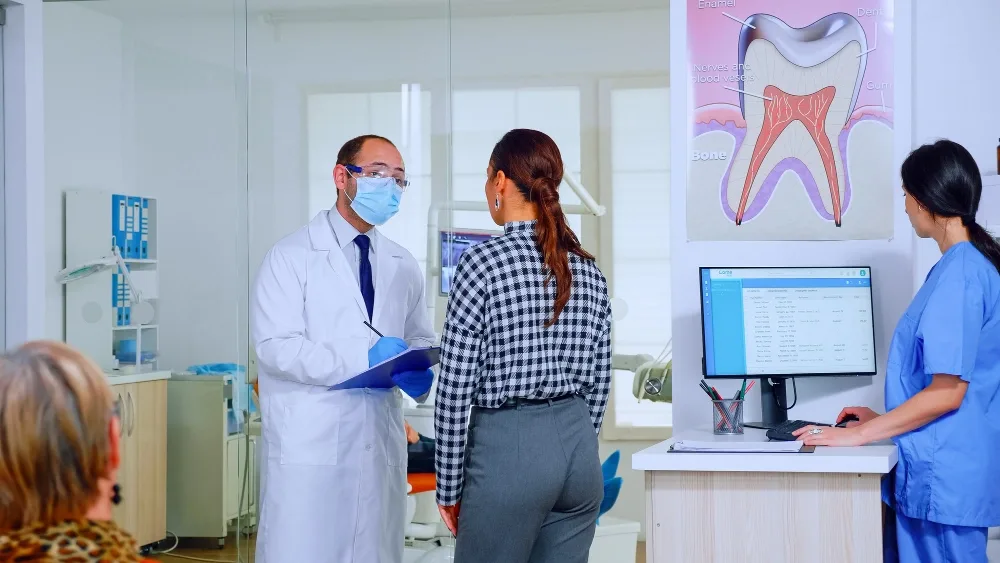
Oral health grants are competitive awards of non-repayable funding designated to support programs, research, training, or infrastructure that address gaps in dental services. Unlike loans, grant funds do not need to be returned — provided the recipient meets the stated goals and reporting requirements of the awarding organization.
These grants differ from general health funding in that they are specifically designed to support oral health program development, dental workforce pipelines, preventive care expansion, and patient education.
The funder may be a federal agency such as the Health Resources and Services Administration (HRSA), a private charitable foundation, a dental association, or a state health department. Each comes with its own mission, eligibility criteria, and application process.
Why Oral Health Funding Matters?
The case for sustained investment in oral health is both clinical and social. Untreated dental disease is linked to systemic conditions including diabetes, cardiovascular disease, and preterm birth — meaning that poor oral health doesn’t stay in the mouth. Addressing it requires a coordinated, well-funded effort.
Access to care remains the most urgent challenge. An estimated 49 million Americans live in dental health professional shortage areas, and many rural and low-income urban communities have limited or no providers accepting Medicaid patients.
Health equity demands that access to oral health services reaches people regardless of income, geography, or insurance status. Grants targeted at underserved populations can fund mobile dental units, school-based prevention programs, and sliding-scale clinics that fill these critical gaps.
Preventive dental care — including sealants, fluoride varnish applications, and oral health education — is dramatically more cost-effective than restorative treatment. Funding prevention early saves both lives and healthcare dollars downstream.
For people and communities facing the greatest barriers, grant-funded programs are often the primary and sometimes only pathway to care.
Types of Oral Health Grants Available
Funding opportunities span a wide range of program types, allowing organizations to find a match for their specific mission.
Community-based Programs
Community-based programs support local organizations that deliver direct dental services, mobile care, or community service outreach in underserved neighborhoods and rural regions.
Preventive Care Initiatives
Preventive care initiatives fund programs that promote oral health through education, screenings, and early intervention — particularly for pediatric populations and pregnant women.
Workforce Development Grants
Workforce development grants help develop and implement training programs for dentists, dental hygienists, and allied health professionals, with priority often given to those serving underrepresented or shortage-area communities.
Pediatric Dental Programs
Pediatric dental programs address the disproportionate burden of early childhood caries, often targeting school districts, Head Start programs, and community clinics serving children from low-income families.
Research & Extramural Funding
Research and extramural funding supports academic institutions and dental school faculty conducting clinical, translational, or public health research on oral disease prevention and treatment disparities.
While oral health grants focus on improving dental care access and outcomes, there are many other funding opportunities available across industries. Learn more in our detailed guide on Types of Grants Available in the US.
Top Oral Health Grant Opportunities in 2026
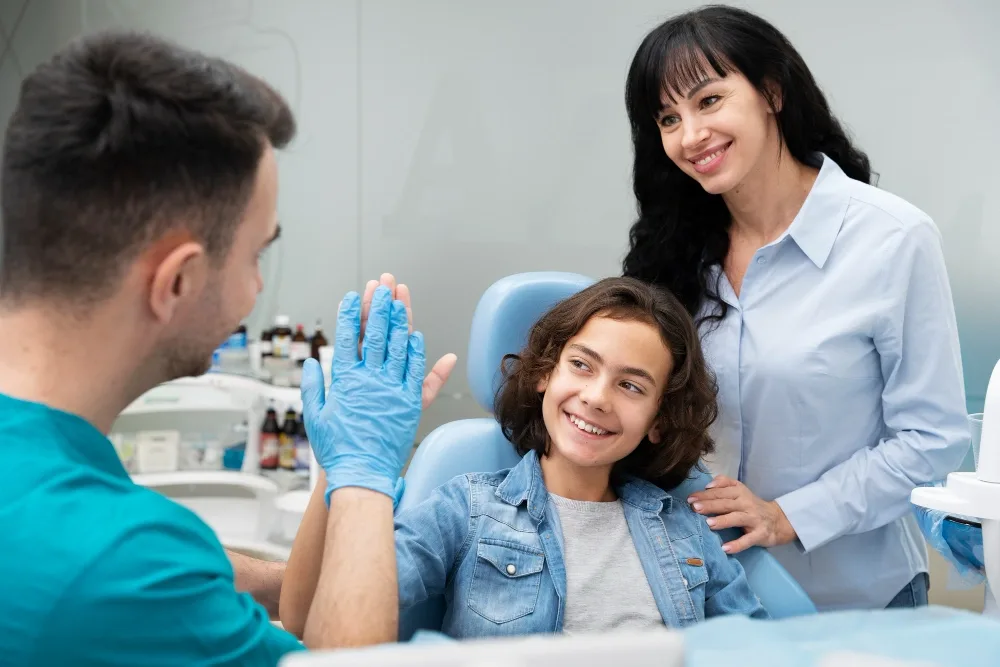
Several major programs fund oral health work at the federal, state, and foundation levels.
HRSA Health Center Program
The HRSA Health Program continues to fund federally qualified health centers (FQHCs) and look-alike organizations, many of which support oral health services as part of comprehensive primary care. Organizations in Puerto Rico, the Virgin Islands, and underserved U.S. territories are explicitly eligible, and priority is given to applicants serving high-need areas.
CDC Oral Health Program
The CDC Oral Health Program funds state and territorial health agencies to implement evidence-based strategies — including school sealant programs and water fluoridation monitoring — and may extend cooperative agreements to partner organizations working in data, surveillance, or community health education.
DentaQuest Foundation and Similar Private Grantors
The DentaQuest Foundation and other private grantors represent a robust layer of philanthropic funding. The foundation’s focus is on systemic change in oral health financing, delivery, and policy. The foundation will consider proposals from nonprofits with demonstrated community reach and capacity. In many cycles, the foundation board reviews applications on a quarterly basis.
American Dental Association Foundation
The American Dental Association Foundation (ADAF) offers dental grants supporting access programs, disaster relief, and scholarship awards for students pursuing dentistry, particularly those from underrepresented backgrounds pursuing a residency or advanced training.
Robert Wood Johnson Foundation
The Robert Wood Johnson Foundation funds health equity-focused initiatives and has historically supported collaborative, medical-dental integration models, addressing the intersection of oral and overall health.
Each program provides specific guidance on eligible activities, award amounts, and the application timeline. Researching each funder’s priorities before beginning your proposal is essential.
Eligibility Requirements for Oral Health Grants
Eligibility varies by funder, but most grant programs share a consistent set of applicant qualifications.
Nonprofits with 501(c)(3) status verified by the IRS
Dental professionals and practices may qualify for specific grant types — particularly workforce, scholarship, or direct service programs.
Community health organizations, FQHCs, dental schools, hospitals, and public health agencies are broadly eligible for government-funded programs.
Applications must typically show:
- Evidence of nonprofit status
- Defined service population
- Credible organizational track record
- Partnership with at least one additional community or clinical stakeholder (in many cases)
For government-funded programs, applicants must also meet registration requirements in SAM.gov and may need to complete compliance training prior to submission.
Since eligibility criteria can vary significantly by funder and grant type, it’s important to understand the broader requirements. Learn more in our article on Grant Eligibility Requirements.
How to Apply for an Oral Health Grant
Successfully navigating the application process requires preparation, attention to detail, and a compelling narrative.
Step 1 — Find the right opportunity
Use resources such as Grants.gov, foundation websites, and your state dental association’s funding database to identify programs aligned with your work. Grant Research Services can help pinpoint programs suited to your location, population, and program type.
Step 2 — Prepare your documentation
Most funders require IRS determination letters, financial statements, an organizational budget, board member lists, and letters of support from partner organizations. Gathering these in advance prevents delays.
Step 3 — Write a strong proposal
Your proposal must clearly articulate the problem, your solution, how you will implement it, and how success will be measured. Funders want evidence that your approach is grounded in data and that your organization’s capacity matches the scope of the initiative. Grant Proposal Writing can help guide you through each of these steps.
Step 4 — Submit through the correct channel
Many funders now require applicants to submit through an online grants management platform. Read all instructions carefully — formatting errors or missing attachments are among the leading reasons applications are disqualified before review. Grant Submission Support can help ensure everything is submitted correctly.
For a more detailed, step-by-step breakdown of the application process, see our guide on How to Apply for Grants.
Who Is Eligible for Oral Health Grants?
Nonprofits and NGOs
Nonprofit organizations are primary recipients of oral health grants. These organizations often implement community-based programs aimed at improving access to dental care. Eligibility typically depends on the organization’s mission, target population, and capacity to deliver measurable outcomes.
Dental Clinics and Providers
Dental clinics, particularly those serving low-income or uninsured populations, are eligible for many grant programs. Funding may be used to expand services, purchase equipment, or hire additional staff.
Researchers and Institutions
Academic institutions, universities, and research organizations are eligible for grants focused on innovation and data-driven solutions. These grants support studies that contribute to the advancement of oral health practices.
High-Impact Areas Funded by Oral Health Grants
Preventive Care Programs
Preventive care remains the most cost-effective strategy in oral health. Grants often fund:
- Fluoride varnish programs
- Dental sealant initiatives
- Routine screenings
School-Based Oral Health Initiatives
Children are a primary focus of many grant programs. Funding supports:
- In-school dental checkups
- Oral hygiene education campaigns
- Distribution of dental care kits
Mobile Dental Clinics
Mobile clinics play an important role in reaching underserved communities. Grant funding enables:
- Purchase and maintenance of mobile units
- Staffing and operational costs
- Community outreach services
Workforce Development
Grants also support the training and development of dental professionals:
- Scholarships for dental students
- Continuing education programs
- Workforce expansion in rural areas
Application Timeline and Key Requirements
Planning ahead is critical. The application timeline for most grant cycles follows a predictable pattern: a notice of funding opportunity is released, a deadline is set (typically 30–90 days later), and review panels evaluate submissions over several weeks before awards are announced.
All applications must be submitted by the stated deadline—extensions are rarely granted, and late submissions are not reviewed. Each application must include a project narrative, budget justification, organizational documents, and any additional attachments specified in the funding announcement.
Many federal programs require organizations to register in advance with SAM.gov and Grants.gov, which can take one to two weeks. Factor this into your planning. Some foundations use their own portal, and first-time applicants may need to create an account before beginning the submission.
Key Statistics and Trends in Oral Health Funding

Recent Funding Data
Oral health funding has seen significant growth in recent years, driven by increased awareness of its impact on overall health. Large-scale funding initiatives now focus on prevention, access, and innovation. For example:
- Over $16.3 million awarded annually by a major foundation
- $14+ million allocated to research initiatives
- Millions distributed through state and federal programs
These figures highlight the growing importance of oral health in public health policy and funding priorities.
Global Investment Trends
Globally, governments and organizations are increasing investments in oral health infrastructure and research. Funding is shifting toward integrated healthcare models that combine dental and medical services. This approach ensures better patient outcomes and more efficient use of resources.
Emerging trends also include the use of digital health technologies, such as teledentistry, to expand access to care in remote and underserved areas.
Proven Strategies to Increase Grant Approval Rates
Strong applicants do more than meet minimum requirements — they make a compelling case for their organization’s unique capacity to deliver impact.
Align tightly with funder priorities
Read the funding announcement carefully and tailor every section of your proposal to reflect the funder’s language and goals.
Use local data
Ground your need statement in local statistics on dental disease rates, access gaps, and population demographics. Generic national data is far less persuasive than county-level evidence.
Show a track record
Funders want to see that your organization has successfully managed grants before. Include relevant outcomes from past programs if available.
Demonstrate partnership
Many funders are especially interested in collaborative approaches. A strong partnership with a health system, school district, or other service provider increases credibility and reach.
Budget realistically
Reviewers scrutinize budgets carefully. Costs should be reasonable, justified, and directly tied to proposed activities. Avoid padding or vague line items.
Common Mistakes to Avoid
Even well-intentioned organizations lose funding due to avoidable errors.
- Submitting incomplete applications
- Ignoring eligibility requirements
- Generic proposals
- Poor budget narrative
- Missing the deadline
To better understand common pitfalls and how to avoid them, read our guide on Top 10 Grant Writing Mistakes and How to Avoid Them.
How Grant Writing Services Can Help
The grant application process is time-intensive and technically demanding. For organizations focused on delivering care, managing data, and coordinating staff, it can be difficult to dedicate the attention that a competitive application requires.
Professional Grant Writing Services bring expertise in funder research, proposal development, budget construction, and compliance documentation. An experienced grant writer understands how to frame an organization’s work to enhance its appeal to specific funders — and how to avoid the structural and narrative weaknesses that cause applications to fall short.
Whether you are pursuing your first grant or looking to expand an existing oral health program into new funding streams, a professional grant writing company can meaningfully improve both the quality of your submissions and your overall success rate. For organizations with limited internal capacity, this kind of support often pays for itself many times over in secured funding.
Benefits of Securing an Oral Health Grant
Organizations that receive oral health grants gain:
- Financial support for critical programs
- Enhanced credibility and visibility
- Improved community health outcomes
- Opportunities for program expansion
- Stronger stakeholder engagement
These benefits contribute to long-term organizational growth and increased impact.
Future Trends in Oral Health Grant Funding
The landscape of oral health funding continues to evolve, with increased focus on:
- Tele-dentistry solutions
- Integration of oral health into primary care
- Data-driven healthcare delivery
- Equity-focused funding initiatives
Organizations that adapt to these trends position themselves for greater funding opportunities.
Conclusion: Expanding Access to Oral Health Services
The need is clear. The funding exists. What stands between a thriving oral health initiative and a community still waiting for care is often a strong, well-crafted application. In 2026, organizations that invest the time to understand the landscape, build meaningful partnerships, and submit compelling proposals will be positioned to receive funding that directly changes lives.
Whether your goal is to increase access in a rural county, launch a pediatric screening program, or support the next generation of dental professionals, there is a grant opportunity designed for work like yours. The first step is simply to start looking — and to ask for help when you need it.
Frequently Asked Questions
Who can apply for oral health grants?
Eligible applicants typically include nonprofits with 501(c)(3) status, dental schools, community health centers, state and local health departments, and tribal organizations. Some programs also accept applications from individual dental professionals, particularly for workforce or scholarship funding.
What is required in a grant application?
Most applications require a project narrative, a detailed budget and justification, proof of nonprofit status or organizational registration, financial statements, letters of support, and a description of your target population and evaluation plan.
Are dental professionals eligible for these grants?
Yes. Many programs — particularly those focused on workforce development, residency training, and rural service — are open to individual dentists and dental hygienists, especially those serving in shortage areas.
How long does the approval process take?
Timelines vary widely. Federal grant awards can take three to six months from the deadline to notification. Foundation grants may move faster, sometimes notifying applicants within six to twelve weeks.
Can organizations outside the continental U.S. apply?
Many federal programs explicitly extend eligibility to U.S. territories, including Puerto Rico and the Virgin Islands. Check the specific funding announcement for geographic eligibility terms.
What makes a grant application stand out?
Reviewers consistently favor proposals that demonstrate a clear community need backed by local data, a realistic and well-justified budget, an experienced team, and a plan for measuring outcomes. Strong partnerships and a history of previous grant success also set applicants apart.
Need Help?
Contact our grant writing experts today to get your right Professional Grant Writer
Newsletter
Latest Post
-
 Halstead Jewelry Grant: Eligibility, Application Process, Deadline & Winning Tips (2026 Guide)25 Jul 2026
 -
 Dr. Phillips Charities Microgrant Program (2026): Eligibility, Application Process & Funding Opportunities24 Jul 2026
 -
Pets in the Classroom Grants: How Teachers Can Apply for Funding in 202623 Jul 2026