Grant Writing for Churches: Complete Guide to Securing Faith-Based Funding
- August 21, 2026
- No Comments
- Jason Brooks
Find Funding to Grow Your Church’s Mission Without Draining Your Budget
Grant writing for churches is the structured process of researching, preparing, and submitting funding proposals to foundations, government agencies, and corporations to support a church’s programs, facilities, and community mission. For faith-based organizations navigating rising operational costs and expanding community needs, securing grants has become less of a luxury and more of a strategic necessity. This guide walks you through everything — from eligibility and proposal writing to compliance and finding the best church funding grants available in 2026.
Why Churches Need a Grant Strategy
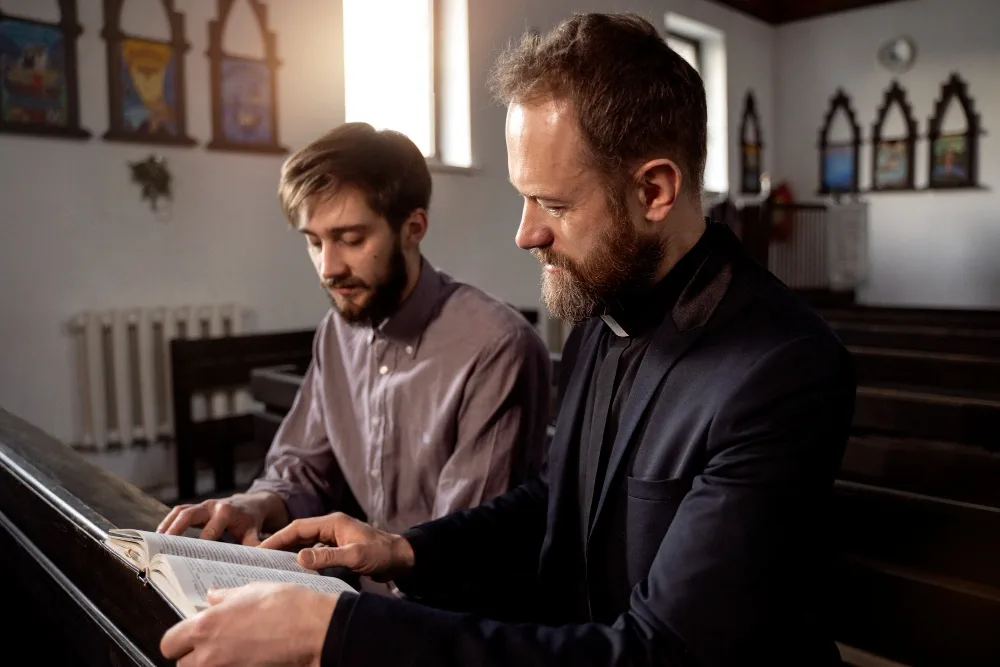
Running a church today involves far more than Sunday services. Many congregations operate food pantries, after-school programs, housing assistance initiatives, youth ministries, and community health outreach — all of which require consistent, substantial funding.
Tithes and offerings remain the backbone of most church budgets, but they rarely cover the full cost of mission-driven programs. Capital projects like church renovation grants, building expansions, or new facility construction add another layer of financial pressure that donations alone cannot reliably sustain.
This is where grant writing for churches becomes a transformative tool. Grants provide non-repayable funding — meaning your church keeps every dollar without accumulating debt. But they are not “free money.” They require rigorous preparation, strategic alignment, and long-term commitment to reporting and compliance. Organizations that approach grants with a professional strategy consistently outperform those that treat it as a casual exercise.
What Is Grant Writing for Churches?
Church grant writing is the formal process of identifying funding opportunities and crafting written proposals that persuade funders to invest in your church’s programs or infrastructure.
A grant proposal communicates your church’s mission, the problem you are addressing, how you plan to solve it, and what measurable outcomes funders can expect in return for their investment. Unlike a donation request letter, a grant proposal follows a specific format, meets detailed eligibility requirements, and is evaluated against a competitive pool of applicants.
For faith-based nonprofit funding, the stakes are high — and so is the opportunity. The United States has thousands of private foundations, government programs, and corporate giving arms that specifically support religious organizations and the communities they serve.
Types of Grants for Churches
Understanding the funding landscape is the first step in any church grant application strategy.
Faith-Based Grants
Faith-Based Grants are specifically designed for religious and faith-motivated organizations. These can come from denominational bodies, faith-aligned foundations, or national networks that prioritize ministry grants and spiritual community development.
Government Grants for Churches
Government Grants for Churches are available when churches operate qualifying social service programs. Federal and state agencies do not fund religious worship, but they do fund service delivery — housing, food security, health, education, and workforce development. Churches with 501(c)(3) status regularly access these programs through agencies like HUD, USDA, and the Department of Health and Human Services.
Private Foundation Grants
Private Foundation Grants represent one of the largest pools of nonprofit church funding available. Organizations like the Lilly Endowment, the John Templeton Foundation, and thousands of community foundations actively fund faith-based programs, church mission funding initiatives, and community outreach grants for churches.
Corporate Grants for Churches
Corporate Grants for Churches are offered through corporate social responsibility (CSR) programs. Major corporations, banks, and local businesses often fund community-serving nonprofits — including churches — particularly when there is geographic or mission alignment with their brand values.
Each funding type serves different needs. Grants for church building projects typically fall under a different category than grants for youth ministry programs or community development church programs.
If you’re unsure which funding path fits your church, explore Types of Grants Available in the US to quickly identify the right opportunities and avoid wasting time on the wrong ones.
How Church Grant Writing Works
Effective church grant writing is not a one-time event — it is an ongoing organizational function. The process begins well before a proposal is written.
It starts with organizational readiness: ensuring your 501(c)(3) status is current, your financial records are clean, your programs are documented, and your leadership is aligned around the funding goals. Funders evaluate the organization behind the proposal just as much as the proposal itself.
Next comes prospect research: systematically identifying grant opportunities that match your church’s mission, geography, and program focus. This involves using databases, reading funder guidelines carefully, and building relationships with program officers when possible.
Then comes the actual proposal development: writing a compelling narrative, building a defensible budget, gathering required supporting documents, and meeting every submission requirement in the funder’s guidelines. A single missed document or an overlooked eligibility criterion can disqualify an otherwise strong application.
Finally, grant management for churches doesn’t end at submission. Reporting, stewardship, and compliance are ongoing responsibilities that directly influence future funding decisions.
Church Grant Application Process: Step-by-Step
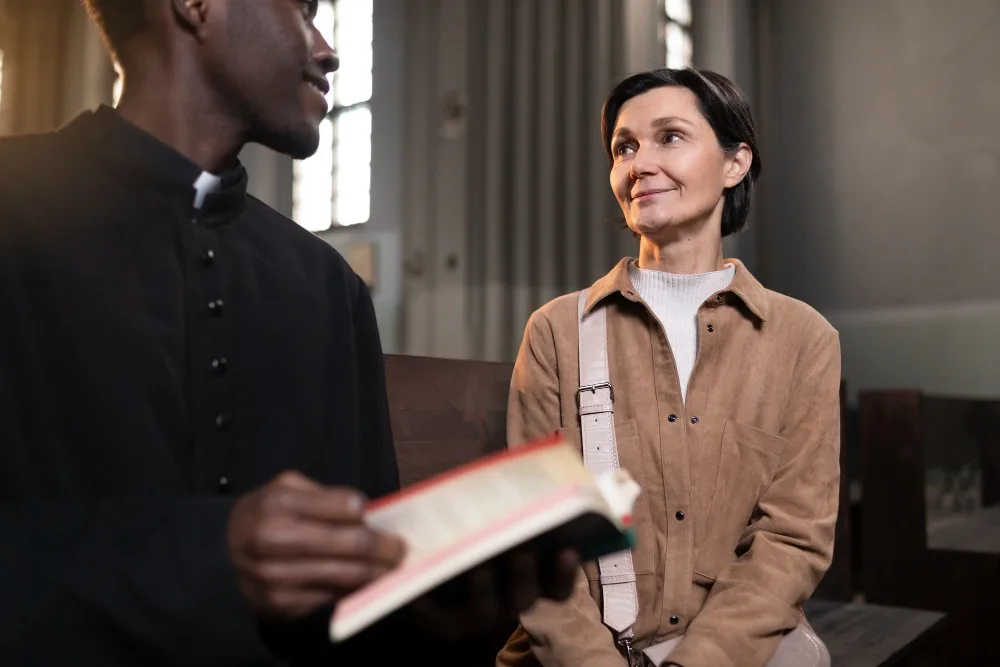
Step 1: Identify Funding Opportunities
Start with platforms like Grants.gov for federal opportunities and the Foundation Directory for private foundations. Your denomination’s national office and local community foundations are also valuable starting points. Building a church grant database of relevant opportunities makes this process more systematic over time.
Step 2: Check Eligibility
Every grant has specific church grant eligibility criteria. Confirm that your church meets requirements around tax-exempt status, program type, geography, budget size, and organizational history before investing time in a full proposal.
Step 3: Prepare Required Documents
Most funders require a combination of:
- IRS determination letter
- Audited financial statements
- Organizational budget
- Board roster
- List of current funders
- Program descriptions
Clarity
Preparing a central document repository saves significant time as you apply for church grants online.
Step 4: Write the Proposal
Follow the funder’s grant proposal format precisely. Address every question, meet every word limit, and tailor your narrative to the specific funder’s priorities — not just your church’s general talking points.
Step 5: Submit the Application
Review the grant submission guidelines carefully. Submit early to avoid technical issues. Keep a timestamped copy of every submission for your records.
How to Write a Winning Grant Proposal for Churches
Learning how to write grants for churches means mastering several distinct components, each requiring careful attention.
Statement of Need
The Statement of Need is the most critical section of any church grant proposal. It must demonstrate — with data — that the problem your church addresses is real, significant, and local. Use community-level statistics from census data, local health reports, or school district records. Avoid relying solely on anecdotal evidence.
Project Description
Project Description should explain exactly what your church will do, for whom, during what timeframe, and with what resources. Funders want to see that you have thought through implementation, not just identified a problem.
Budget Planning
Budget Planning requires aligning every line item with your program activities. A grant budget should never look padded or vague. Show exactly what the grant funds are, how it relates to your total program cost, and what other sources will cover the remaining expenses.
Grant Narrative Writing
Grant Narrative Writing is the glue that ties all sections together. Write clearly and specifically. Avoid theological jargon when writing for secular funders, and avoid bureaucratic language when writing for faith-based funders. Speak to each audience’s values and priorities.
Understanding how to write grants for churches also means knowing when your proposal is not ready. A weak application does more harm than no application — it creates a rejection record with that funder.
Church Grant Proposal Writing: What Funders Look For
When reviewing a church grant proposal writing submission, experienced funders evaluate four core dimensions.
Impact
Can this organization demonstrate that its work changes lives in measurable ways? Funders invest in outcomes, not activities. Replace statements like “we will serve our community” with “we project that 240 food-insecure families will receive 12,000 meals during the program period.”
Organizational Credibility
Does the church have the infrastructure, leadership, and track record to deliver results? Strong financials, experienced staff, and documented program history all build confidence.
Alignment
Does the project fit the funder’s stated priorities? Grant funding for ministries is most successful when there is genuine mission overlap, not just approximate similarity.
Clarity
Is the proposal easy to read, logically organized, and free of errors? Funders read hundreds of proposals. A well-organized, clearly written submission stands out immediately.
Church Grant Eligibility Requirements
Before pursuing any grants for churches, confirm that your organization meets baseline eligibility requirements.
- Must have 501(c)(3) tax-exempt status
- Should be registered and recognized by the Internal Revenue Service (IRS)
- Should demonstrate nonprofit status and legal standing
- Typically requires 2–3 years of operating history
- Must meet any budget size requirements set by funders
- Should serve a defined geographic area or community
- Should have a well-defined mission and active programs
- Must be able to track, manage, and report use of funds
- Should maintain proper financial records and transparency
Best Grants for Churches in 2026
The grant landscape evolves annually, but several reliable sources consistently fund faith-based nonprofit work.
1. Preserving Black Churches Grant Program
- Offered by the National Trust for Historic Preservation
- Funding: ~$50,000 to $500,000
- Focus: Historic preservation, capital repairs, sustainability
- 2026 highlight: $13.5 million awarded to churches this year
2. FEMA Nonprofit Security Grant Program (NSGP)
- Offered by the Federal Emergency Management Agency
- Funding: Up to $200,000 per location
- Use: Security systems, cameras, access control, safety upgrades
3. Community Services Block Grant (CSBG)
- Offered through the U.S. Department of Health and Human Services
- Funding: Varies (state-administered)
- Use: Anti-poverty programs, job training, food assistance
4. HUD Community Development & Housing Grants
- Offered by the U.S. Department of Housing and Urban Development
- Funding: Varies (often large-scale)
- Use: Homeless shelters, affordable housing, community development
5. SAMHSA Grants (Mental Health & Substance Abuse)
- Offered by the Substance Abuse and Mental Health Services Administration
- Funding: Large federal grants
- Use: Addiction recovery programs, counseling services
6. Historic Preservation Fund (HPF)
- Offered by the National Park Service
- Funding: ~$50,000 to $500,000
- Use: Restoration of historic church buildings
7. National Fund for Sacred Places
- Partnership between the National Trust for Historic Preservation and Lilly Endowment
- Funding: $50,000 to $500,000
- Use: Capital improvements, preservation, community impact
8. Brotherhood Mutual Foundation – Kingdom Advancing Grants
- Offered by Brotherhood Mutual Foundation
- Funding: Varies (2026 pool ~$150,000)
- Use: Innovative church and community outreach programs
9. Foundation for Evangelism Grants
- Offered by Foundation for Evangelism
- Funding: $5,000–$10,000
- Use: Congregational development, outreach programs
10. Denominational Grants (Multiple Programs)
Examples:
- United Church of Christ grants (up to $25,000/year)
- Presbyterian Church (USA) programs
- United Methodist Church funding initiatives
Use: Ministry support, outreach, church development
11. National Churches Trust Grants (UK example)
- Offered by National Churches Trust
- Funding: Up to £50,000
- Use: Repairs, accessibility upgrades, community facilities
12. Emergency Food & Shelter Program (EFSP)
- Managed by United Way + FEMA
- Funding: Varies by region
- Use: Food banks, shelter, emergency assistance
For church construction grants, grants for church expansion, and church renovation grants, also explore historic preservation funds, HUD programs, USDA Community Facilities grants, and your state’s housing finance agency.
If you are still confused, take a Free Grant Eligibility Check now and instantly uncover the church grants you’re most likely to qualify for—no guesswork, just clear opportunities waiting for you.
How to Find Church Funding Grants
Knowing how to find church grants systematically is as important as knowing how to write them.
Beyond the major databases, explore these strategies:
- Contact your denomination's national office for member-specific grant programs
- Join your local nonprofit association, which often maintains a curated list of regional funders
- Build relationships with other faith-based nonprofits in your area and share intelligence on funding opportunities
- Attend foundation information sessions and webinars
- Sign up for grant alert services tied to your subject areas
Or discover untapped funding streams instantly with Grant Research Services—your shortcut to grants that others overlook and opportunities you won’t want to miss.
Common Mistakes in Church Grant Writing
Even well-intentioned organizations lose grant funding through avoidable errors. Here are the most common mistakes in church grant writing:
- Writing a generic proposal
- Weak or absent data in the statement of need
- Budget misalignment
- Missing supporting documents
- Applying before eligibility is confirmed
If you want to avoid these costly errors, explore Top 10 Grant Writing Mistakes and How to Avoid Them to see what most churches get wrong—and how to fix it before it impacts your funding.
Grant Compliance and Reporting for Churches
Receiving a grant is not the finish line — it is the starting gun for a new set of responsibilities.
Grant reporting requirements vary by funder, but most require narrative reports on program progress, financial reports showing how funds were spent, and documentation of outcomes. Some government grants require quarterly reporting; most foundations require semi-annual or annual reports.
Grant compliance for nonprofits also means maintaining documentation throughout the grant period — attendance records, client intake forms, receipts, payroll records for grant-funded staff, and communications with program participants. This documentation protects your organization in the event of an audit and demonstrates accountability to funders.
Organizations that treat compliance as a burden tend to struggle with renewals. Those that build compliance into their organizational culture consistently attract more funding over time.
Difference Between Grants, Donations, and Fundraising
Understanding the distinction between these funding sources helps churches build a healthier, more diversified financial foundation.
Aspect |
Donations |
Grants |
Fundraising |
|---|---|---|---|
Definition
|
Voluntary contributions from individuals or supporters
|
Funds awarded by organizations for specific purposes
|
Organized efforts (events/campaigns) to raise money
|
Restrictions
|
Typically unrestricted
|
Restricted to approved uses
|
Usually unrestricted, depending on the campaign
|
Reporting Requirements
|
None or minimal
|
Required (detailed accountability and outcomes)
|
Not required formally, but internal tracking is common
|
Predictability
|
Less predictable (varies with donor behavior)
|
More predictable once secured
|
Unpredictable (depends on participation and success)
|
Preparation Effort
|
Low
|
High (applications, proposals, compliance)
|
High (planning events, campaigns, outreach)
|
Funding Size
|
Usually smaller, incremental
|
Often larger, lump-sum funding
|
Can be large but varies widely
|
Purpose
|
General operations and support
|
Specific programs or projects
|
Both funding and community engagement
|
Sustainability Role
|
Provides an ongoing support base
|
Supports structured, outcome-driven initiatives
|
Builds engagement and supplements income
|
Key Advantage
|
Flexible use
|
Structured and potentially substantial funding
|
Strengthens community involvement
|
Key Challenge
|
Inconsistent flow
|
Complex application and reporting process
|
Labor-intensive and uncertain results
|
Note: This information is compiled from publicly available sources and is intended for general guidance only. Always verify details with the official funder or organization before making decisions.
Why Churches Get Rejected (And How to Fix It)
Rejection is a normal part of the grant process — but patterns of rejection signal specific problems worth addressing.
Misaligned mission or geography
If a funder’s priorities don’t genuinely match your work, no amount of reframing will compensate. Fix: research more carefully before applying.
Weak organizational infrastructure
Late 990 filings, missing financial audits, or unclear governance structures signal risk to funders. Fix: get your administrative house in order before pursuing major grants.
Unclear outcomes
Proposals that cannot articulate what success looks like are difficult to fund. Fix: develop a simple outcomes framework for each of your programs.
First-time applicant disadvantage
Many funders prefer organizations they know. Fix: start with smaller, more accessible grants to build a track record before pursuing larger opportunities.
Proposal quality
Poor writing, logical gaps, or sloppy formatting reflect on your organization. Fix: invest in professional grant writing services for churches or internal training.
Grant Success Tips for Churches
To improve grant approval chances, adopt these strategies
- Build relationships with funders early (attend webinars and outreach)
- Maintain a 12-month grants calendar to avoid last-minute stress
- Keep program data updated for strong, ready-to-use evidence
- Diversify funding sources to reduce dependency risk
- Invest in grant-writing capacity through training or experts
Benefits of Grant Writing for Churches
When pursued strategically, church grant writing delivers benefits that extend well beyond the immediate funding.
- Provide sustainable, often multi-year funding that supports long-term church planning
- Strengthen credibility by signaling trust and effectiveness to donors and partners
- Expand community outreach by funding programs beyond donation-based limits
- Improve internal accountability through structured reporting and impact tracking
- Support long-term ministry growth and move churches toward stronger institutional maturity
For churches with a long-term ministry funding vision, grants are not just a financial tool — they are a pathway to institutional maturity.
Why Hire a Professional Grant Writer for Churches
Is church grant writing something you can do in-house? Yes — but the learning curve is steep, and the cost of weak proposals is high.
A professional grant writing company for churches brings
- deep knowledge of the funding landscape
- fluency in the language, funders respond to
- the technical skills to produce competitive proposals consistently
They can identify opportunities you might miss, diagnose why previous applications failed, and build a strategic grant calendar that maximizes your church’s annual funding potential.
Grant writing services for churches are particularly valuable for organizations that lack dedicated development staff, are pursuing their first major grant, or want to significantly scale their funded programs.
When evaluating grant writing services, look for demonstrated experience with faith-based organizations, knowledge of religious organization grants, and a clear process for understanding your church’s unique mission and community context.
Conclusion – Key Takeaways
The path to sustainable, mission-aligned funding for your church runs directly through a well-executed grant strategy. From securing your 501(c)(3) status to writing a compelling church grant proposal, every step in this process demands clarity, consistency, and genuine organizational commitment.
The opportunities are real. Thousands of foundations, government programs, and corporations are actively looking for faith-based partners doing meaningful community work. The churches that secure those funds are not lucky — they are prepared. They have done the work of building their programs, documenting their impact, and presenting their mission with professional precision.
Whether you are just beginning to explore grants for churches or looking to significantly strengthen your existing approach, the single most important investment you can make is in your organization’s grant readiness. Start now, build systematically, and don’t hesitate to seek expert support when the complexity of the process outpaces your internal capacity.
Frequently Asked Questions
Is church grant writing legit?
Yes. Church grant writing is a legitimate, well-established practice. Thousands of faith-based organizations receive grant funding each year from government agencies, private foundations, and corporations.
How do churches qualify for grants?
Most grants require churches to have active 501(c)(3) tax-exempt status, current IRS filings, documented programs, and demonstrated community need. Specific church grant eligibility requirements vary by funder and program type.
Can churches get government grants?
Yes, churches can receive government grants when they operate qualifying social service programs — such as food assistance, housing, education, or workforce development.
How long does the grant approval process take?
The grant decision timeline varies significantly by funder. Private foundation grants typically take two to six months from submission to decision. Federal grants may take longer. Some emergency or rapid-response grants can move faster. Always check the funder’s stated review timeline and plan accordingly.
What is the difference between a grant and a donation?
Grants are formal awards tied to specific programs, budgets, and reporting requirements. Donations are typically unrestricted contributions with no formal accountability structure. Both are non-repayable, but grants require significantly more documentation and compliance than standard church donations.
Need Help?
Contact our grant writing experts today to get your right Professional Grant Writer

Author-Jason Brooks
Submission & Compliance Manager
Jason Brooks is a Submission & Compliance Manager with more than 16 years of experience managing grant submission processes and ensuring compliance with federal, state, corporate, and foundation funding requirements. He specializes in reviewing application packages, verifying documentation, monitoring submission deadlines, and ensuring proposals meet every technical requirement before submission.
His work focuses on maintaining compliance with funder guidelines, coordinating final proposal reviews, and reducing submission errors that can affect funding decisions. By overseeing every stage of the submission process, he helps clients submit complete, accurate, and fully compliant grant applications.
Reviewed By-Sarah T.
Newsletter
Latest Post
-
 D-Prize Global Pitch Grant: Eligibility, Funding Amount, Challenges, and How to Apply in 202623 Oct 2026
 -
Business Freedom Grant: Eligibility, Application Process, Requirements, and Funding Opportunities in 202621 Oct 2026
-
Multifamily Housing Rental Assistance: Programs, Eligibility, and How to Apply in 202619 Oct 2026