
Grants for Medical Billing and Coding: Complete Financial Aid Guide for 2026
- August 21, 2026
- No Comments
- Jason Brooks
Understanding Grants for Medical Billing and Coding
Medical billing and coding is one of the fastest-growing entry-level healthcare careers in the United States. With national median wages rising steadily and remote work opportunities expanding, more adults than ever are pursuing this career path. The good news? You don’t necessarily have to pay for your training out of pocket.
Grants for medical billing and coding are available through
- Federal Programs
- State Workforce Agencies
- Nonprofit Organizations
- Community Colleges
Whether you’re a single parent re-entering the workforce, a veteran transitioning to civilian life, or someone simply looking for a stable healthcare career, financial aid options exist to help cover your tuition, certification fees, and training costs.
This guide explains every major funding source, how to qualify, and exactly how to apply — so you can make an informed decision about your education and your future.
What Are Grants for Medical Billing and Coding?

Grants are a form of financial aid that does not need to be repaid. Unlike student loans, grants for medical billing and coding are awarded based on financial need, career goals, or demographic eligibility — and they cover all or part of your education costs.
There are several types of grants worth knowing:
Medical billing grants:
These are targeted funding from state agencies, nonprofits, or healthcare associations specifically supporting healthcare administrative training.
Career training grants:
Broader workforce development funding that covers short-term programs, including coding and billing courses.
Healthcare training grants:
Federal and state grants supporting healthcare sector workforce pipelines, which often include billing and coding as eligible programs.
Education grants for adults:
General adult education funding through community-based organizations and government agencies.
The key distinction: grants are free money. Scholarships are also free money but are typically merit- or identity-based. Loans must be repaid. This guide mainly focuses on grants and scholarships — the options that do not require repayment and therefore do not create debt.
If you want to know how grants, loans, and scholarships really differ (and which one can save you the most money), read our guide on Difference Between Grants, Loans, and Scholarships.
Why Medical Billing and Coding Careers Are in High Demand
Healthcare facilities depend on medical coders and billers to process insurance claims, maintain patient records, and ensure compliance with federal regulations. As healthcare systems expand and electronic health records become standard, qualified professionals are needed across multiple industries.
Key reasons this career path is growing include:
- Expansion of healthcare services
- Aging population increasing patient volume
- Transition to digital medical records
- Increased insurance claim processing
- Growth of remote healthcare administration jobs
Medical billing and coding professionals can work in:
- Hospitals
- Private physician offices
- Insurance companies
- Outpatient care centers
- Government healthcare agencies
- Remote work environments
Because many programs can be completed online within months, this field offers a fast and affordable pathway into healthcare.
Pell Grants for Medical Billing and Coding
The most widely available source of federal funding for medical billing and coding students is the Federal Pell Grant. Administered by the U.S. Department of Education, Pell Grants are designed for undergraduate students with demonstrated financial need.
How Pell Grants Work
Pell grants for medical billing and coding are available to students enrolled in accredited programs at eligible institutions — which includes many community colleges and vocational schools that offer billing and coding certificates. For the 2025–2026 award year, the maximum Pell Grant award is $7,395, though individual award amounts depend on your Expected Family Contribution (EFC), enrollment status, and program length.
FAFSA Financial Aid: The Starting Point
To receive a Pell Grant, you must complete the Free Application for Federal Student Aid (FAFSA) at studentaid.gov. FAFSA financial aid eligibility is determined by factors including:
- Household income and assets
- Family size
- Dependency status (dependent vs. independent student)
- Enrollment status (full-time vs. part-time)
Important: Not all medical billing and coding programs qualify for Pell Grant funding. The program must be offered by a Title IV-eligible institution. Before enrolling, confirm your school’s eligibility by checking the Federal School Code database on the FAFSA website.
Pell Grant Eligibility
Factor |
Requirement |
|---|---|
Citizenship
|
U.S. citizen or eligible non-citizen
|
Enrollment
|
Accredited certificate or degree program
|
Financial Need
|
Demonstrated via FAFSA
|
Academic Standing
|
Satisfactory academic progress
|
Prior Degree
|
Must not already hold a bachelor's degree
|
Financial Aid for Medical Billing and Coding Programs

Beyond Pell Grants, financial aid for medical billing and coding takes several forms.
Federal Subsidized and Unsubsidized Loans
If grant money doesn’t fully cover your costs, federal direct loans fill the gap at lower interest rates than private lenders. Unlike grants, loans must be repaid — but income-driven repayment options make them more manageable for entry-level earners.
Institutional Aid
Many accredited medical billing and coding schools offer their own need-based or merit-based assistance through tuition waivers, payment plans, or school-funded scholarships. Contact the financial aid office directly at any school you’re considering.
Medical Billing and Coding Financial Assistance Programs
State-level programs often fill the gap between federal aid and actual tuition costs. These medical billing and coding financial assistance programs vary by state but may include:
- Subsidized tuition at public community colleges
- State-funded training vouchers
- Healthcare workforce development initiatives
Employer Tuition Assistance
If you’re currently working in healthcare — even in a non-clinical role — your employer may offer tuition reimbursement for certification-related coursework. Hospitals, physician groups, and health systems frequently provide employer tuition assistance as part of benefits packages. Ask your HR department before you apply elsewhere — this is often the easiest funding source to access.
Want to discover additional ways to reduce your education costs? Explore Types of Grants Available in the US to see what funding options you may qualify for.
Scholarships for Medical Billing and Coding
Scholarships represent another major category of free funding. Unlike need-based grants, many scholarships target specific populations or academic achievement.
Medical Billing and Coding Scholarships
Professional associations like the American Academy of Professional Coders (AAPC) and the American Health Information Management Association (AHIMA) sponsor or publicize scholarships for students pursuing healthcare information careers. Check both organizations’ websites each year for new scholarship cycles.
Scholarships for Healthcare Students Broadly
National nursing and allied health foundations sometimes extend scholarships for healthcare students to billing and coding candidates, particularly those enrolled in health information management programs.
Low-Income Education Grants and Special Population Scholarships
Several targeted funding streams exist for specific groups:
- Single mother grants for career training
- Veteran education benefits
- Minority-serving institution grants
Workforce Grants and Job Training Assistance
One of the most underused — and valuable — sources of funding for medical billing and coding is the workforce development system.
Workforce Innovation and Opportunity Act (WIOA)
The Workforce Innovation and Opportunity Act (WIOA) is federal legislation that funds job training programs through a nationwide network of American Job Centers. WIOA training grants are available to adults, dislocated workers, and youth who meet income or employment eligibility criteria.
Under WIOA, eligible individuals may receive:
- Fully funded training at approved providers
- Individual Training Account (ITA) vouchers to choose an approved program
- Supportive services (transportation, childcare, etc.) while in training
How to access WIOA:
Visit your nearest American Job Center to speak with a career counselor. Bring documentation of your income, employment history, and training interest.
Workforce Development Grants and State Workforce Grants
Beyond WIOA, many states administer their own workforce development grants for in-demand sectors — and healthcare is consistently prioritized. State workforce grants may be available through:
- State Departments of Labor or Workforce Development
- Regional economic development councils
- Healthcare workforce coalitions
They fund short-term training in high-demand fields for eligible adults.
Vocational Training Grants and Job Training Assistance Programs
Community action agencies and nonprofit workforce programs also offer vocational training grants and job training assistance programs, often targeting low-income adults, the long-term unemployed, or individuals with barriers to employment. These programs may not advertise heavily — contact local nonprofits, workforce boards, and community development organizations directly.
Medical Billing and Coding Certification Funding
Even if you already have some training, certification exam fees can be a barrier. Here’s what’s available:
AAPC Certification
The AAPC offers the Certified Professional Coder (CPC certification) and related credentials. AAPC membership and exam fees range from a few hundred to over a thousand dollars. Some workforce programs include exam fees in their funding. AAPC also offers payment plans and discounts for student members.
AHIMA Certification
The AHIMA credentials — including the Certified Coding Associate (CCA certification) and Certified Coding Specialist (CCS certification) — are also recognized nationally. AHIMA’s Foundation offers limited scholarship funding for credential candidates.
Healthcare Certification Grants
Some state workforce programs and nonprofits specifically fund certification exam fees as part of a broader support package. Ask your American Job Center or workforce agency whether certification costs are covered under your training plan.
Medical Billing and Coding Program Costs
Understanding medical billing and coding course costs helps you set realistic funding goals.
Program Type |
Typical Tuition Range |
Duration |
|---|---|---|
Community College Certificate
|
$1,500 – $6,000
|
6–18 months
|
Vocational School Certificate
|
$3,000 – $12,000
|
3–12 months
|
Online Self-Paced Programs
|
$500 – $4,000
|
3–12 months
|
Associate Degree (HIM)
|
$8,000 – $20,000
|
2 years
|
When comparing options, always verify that the school is accredited by a recognized accrediting body such as a regional accreditor recognized by the Department of Education.
How to Apply for Medical Billing and Coding Grants
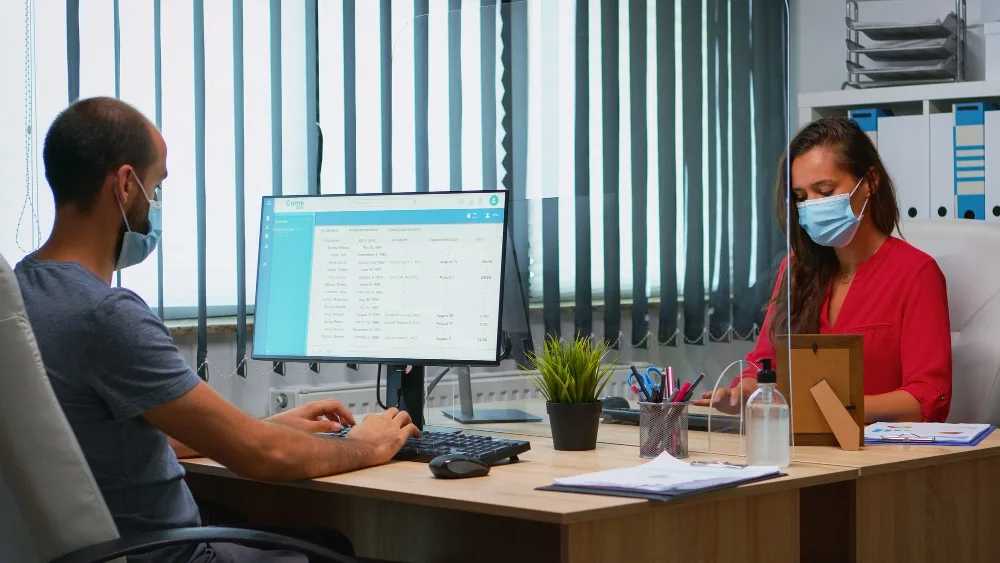
Here is a clear, step-by-step process to apply for medical billing and coding grants online and through traditional channels:
Step 1: Choose an accredited program
Research schools and confirm their Title IV eligibility and accreditation status before applying to any financial aid programs.
Step 2: Complete the FAFSA
Submit your FAFSA as early as possible each year (the form opens October 1). Include the school codes for every program you’re considering.
Step 3: Contact your local American Job Center
Schedule an appointment to discuss WIOA eligibility and available training grants. Bring proof of income, work history, and a description of the program you want to attend.
Step 4: Apply for scholarships
Build a running list of scholarships from AAPC, AHIMA, your state health association, community foundations, and any organizations relevant to your background (veterans, single parents, minorities, etc.). Apply to every one you qualify for.
Step 5: Submit grant applications
For any standalone grant programs (nonprofit grants, state-specific grants), follow each funder’s application instructions carefully. Tailor your personal statement to explain your career goals and financial need specifically. If you need help, consider using Professional Grant Submission Support to strengthen your application and improve your chances of approval.
Step 6: Track award decisions
Create a spreadsheet tracking each application’s deadline, decision date, and award amount. Follow up professionally if you don’t receive a decision within the stated timeline.
How Expert Grant Writing Services Can Help
Navigating the world of grants for medical billing and coding can be time-consuming and confusing — especially when you’re juggling work, family, and school applications simultaneously. That’s where professional grant writing services make a real difference.
Experienced Grant Writing Companies know exactly which funding sources align with your background, income level, and career goals. They help you identify grants you may never find searching on your own, craft compelling personal statements that stand out to reviewers, and ensure every application is submitted correctly and on time.
Beyond writing, a knowledgeable consultant can help you layer multiple funding sources — combining Pell Grants, WIOA training grants, and scholarships strategically to minimize your out-of-pocket costs.
For adult learners, veterans, and career changers who can’t afford to leave money on the table, working with a grant writing professional isn’t an expense — it’s an investment that often pays for itself many times over.
Grant Eligibility Requirements
While requirements vary by program, most funding opportunities share common grant eligibility requirements:
- Income-based eligibility: Many grants are restricted to individuals below a certain income threshold (often 200% of the Federal Poverty Level).
- Enrollment requirements: Most require enrollment or accepted admission in an eligible program.
- Documents needed for financial aid: Typical documentation includes tax returns, pay stubs, government-issued ID, proof of residency, acceptance letter, and program details.
- Citizenship or eligible non-citizen status: Federal programs require U.S. citizenship or eligible immigration status.
- Specific population criteria: Some grants are restricted to veterans, displaced workers, single parents, or other defined groups.
Common Mistakes That Reduce Financial Aid Eligibility
Avoid these costly errors:
- Missing FAFSA deadlines
- Applying only for large scholarships
- Ignoring local community grants
- Failing to verify accreditation
- Submitting incomplete applications
Students who apply broadly often secure significantly more aid. To improve your success rate even further, read Top 10 Grant Writing Mistakes and How to Avoid Them.
Best Grants for Medical Billing and Coding 2026
Here’s a consolidated overview of the best grants for medical billing and coding 2026:
Funding Source |
Type |
Who It's For |
|---|---|---|
Federal Pell Grant
|
Need-based grant
|
Low-to-moderate income students
|
WIOA Training Grants
|
Workforce grant
|
Adults, dislocated workers
|
State Workforce Grants
|
Varies by state
|
Residents meeting income criteria
|
AAPC/AHIMA Scholarships
|
Merit/need
|
Healthcare students
|
Veteran Education Benefits (GI Bill, VR&E)
|
Federal benefit
|
Veterans and eligible dependents
|
MyCAA Scholarship
|
Federal scholarship
|
Military spouses
|
Soroptimist Live Your Dream
|
Nonprofit scholarship
|
Women supporting families
|
Employer Tuition Assistance
|
Employer benefit
|
Current employees
|
Community Foundation Grants
|
Local grant
|
Varies by community
|
Is Free Medical Billing and Coding Grant Legit?
The short answer: legitimate funding opportunities exist, but scams do too. Here’s how to tell the difference.
Signs of a Legitimate Program
- Funding comes from a government agency, accredited college, recognized nonprofit, or established professional association
- No upfront fees are required to apply
- The program is listed on official government websites or institutional financial aid pages
- Contact information is verifiable and connects to a real organization
Red Flags to Avoid
- Any program charging a fee to "apply for" or "access" grants
- Unsolicited emails or social media ads guaranteeing grant money
- Vague organizations with no verifiable address, accreditation, or history
- Promises of "guaranteed" funding (no legitimate grant guarantees approval)
When researching free grants for medical billing and coding, always verify through official sources. When in doubt, call the organization directly using a phone number you find independently — not one from the suspicious communication.
Conclusion – Key Takeaways
Funding your medical billing and coding education is more achievable than most people realize. Between Pell Grants, WIOA training grants, scholarships from professional associations, veteran education benefits, and employer tuition assistance, a determined student can significantly reduce or eliminate out-of-pocket training costs.
The key is knowing where to look, applying early, and stacking multiple sources strategically. Every day you delay is a day you’re not building toward a stable, in-demand healthcare career.
Ready to find the right funding for your situation? Navigating grants, scholarships, and workforce programs can feel overwhelming — but you don’t have to do it alone. Working with an experienced education funding consultant or grant writing specialist can help you identify every available opportunity, build a strong application, and avoid common mistakes that cost students thousands in missed aid.
Take the first step today: complete your FAFSA, contact your local American Job Center, and start building a funding plan tailored to your goals.
Frequently Asked Questions
Can Pell Grants pay for medical billing and coding?
Yes, if you’re enrolled in an accredited program at a Title IV-eligible institution. Complete the FAFSA to determine your award amount.
How much financial aid can I receive?
It varies. Pell Grants can provide up to $7,395 per year. WIOA can fully fund approved programs. Combining multiple sources can cover most or all costs for many students.
What certifications are covered by grants?
CPC, CCA, and CCS certification costs may be covered by WIOA and some state workforce programs, in addition to tuition. Confirm with your funding agency.
Are online programs eligible for financial aid?
Yes — online medical billing and coding programs at accredited, Title IV-eligible schools qualify for federal financial aid, including Pell Grants.
Is free medical billing and coding grants legit?
Legitimate free funding exists through government and nonprofit programs. Be cautious of any program that charges a fee to access grants or promises guaranteed funding.
Do I need a degree to qualify for grants?
No. Most career training grants and Pell Grants apply to certificate programs, not just degrees.
Can veterans use GI Bill benefits for billing and coding?
Yes, if the school is VA-approved. Contact the VA or your school’s veterans services office to confirm eligibility.
Need Help?
Contact our grant writing experts today to get your right Professional Grant Writer

Author-Jason Brooks
Submission & Compliance Manager
Jason Brooks is a Submission & Compliance Manager with more than 16 years of experience managing grant submission processes and ensuring compliance with federal, state, corporate, and foundation funding requirements. He specializes in reviewing application packages, verifying documentation, monitoring submission deadlines, and ensuring proposals meet every technical requirement before submission.
His work focuses on maintaining compliance with funder guidelines, coordinating final proposal reviews, and reducing submission errors that can affect funding decisions. By overseeing every stage of the submission process, he helps clients submit complete, accurate, and fully compliant grant applications.
Reviewed By-Sarah T.
Newsletter
Latest Post
-
 D-Prize Global Pitch Grant: Eligibility, Funding Amount, Challenges, and How to Apply in 202623 Oct 2026
 -
Business Freedom Grant: Eligibility, Application Process, Requirements, and Funding Opportunities in 202621 Oct 2026
-
Multifamily Housing Rental Assistance: Programs, Eligibility, and How to Apply in 202619 Oct 2026