Asheville Recovers Together Small Business Grant
- August 20, 2026
- No Comments
- Jason Brooks
Understanding Asheville Recovers Together Grant
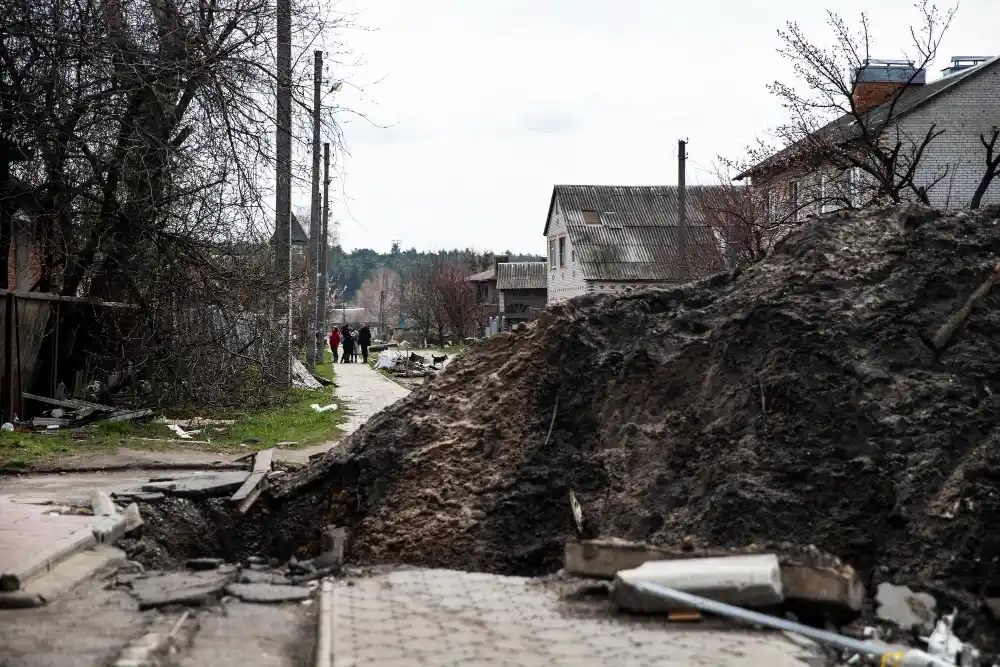
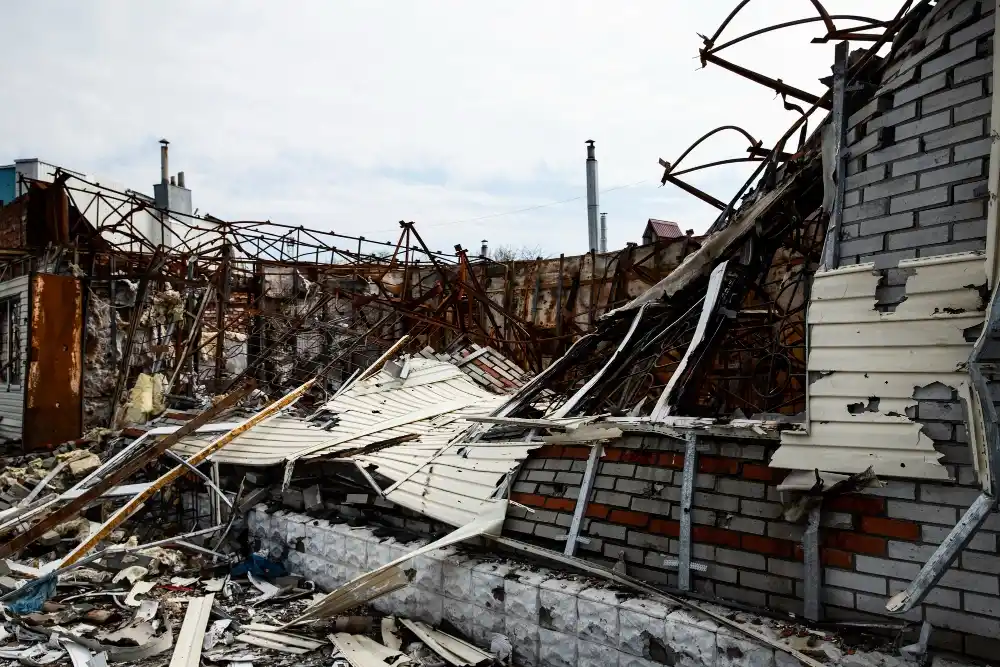
Nearly two years after Tropical Storm Helene struck on Sept. 26, 2024, Asheville’s small business community is still fighting to survive. Catastrophic flooding, a weeks-long water crisis, and a prolonged tourism slump delivered a one-two-three punch that left the local economy reeling. A Mountain BizWorks survey found that businesses impacted by hurricane Helene suffered an average business loss of $322,000, and according to an Asheville Chamber of Commerce survey, one-third of businesses still operating reported doing so without a profit nearly 20 months after the storm.
The Asheville Recovers Together Small Business Grant was created specifically to address these lingering recovery gaps. This complete guide covers every detail you need to know:
- What Is the Asheville Recovers Together Grant?
- Asheville Recovers Grant Amount
- Why This Grant Was Created After Hurricane Helene
- Application Deadline
- Asheville Recovers Together Eligibility Requirements
- Who is Eligible for Asheville Recovers Grant?
- How to Apply for the Asheville Recovers Together Grant
- How to Increase Your Chances of Approval
- Asheville Recovers Together vs. SBA Disaster Loans
- Is the Asheville Recovers Together Grant Legit?
What Is the Asheville Recovers Together Small Business Grant?
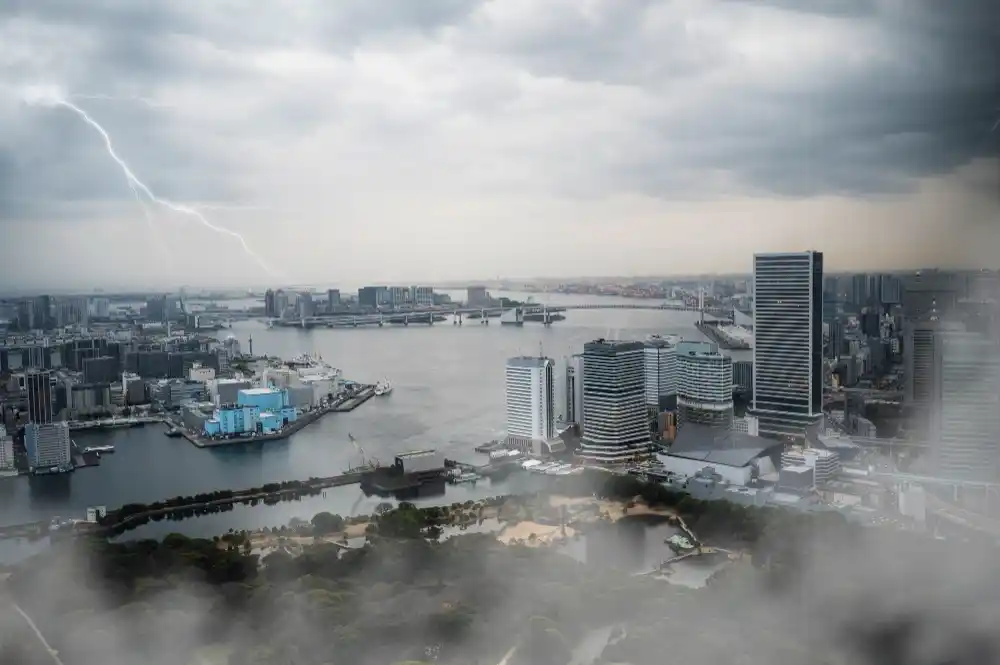
The Asheville Recovers Together grant is a $14.6 million dollar initiative launched on June 1, 2026, by the City of Asheville to provide targeted financial relief to small businesses directly impacted by hurricane Helene. It is the largest small business grant program in the city’s post-Helene recovery effort, and unlike previous emergency funds, it is designed to address unmet recovery needs that persisted long after initial disaster relief concluded.
The Asheville Recovers Together program is administered through a tri-partner collaboration of trusted local organizations, such as: Mountain BizWorks, ArtsAVL, and Eagle Market Streets Development Corporation, with oversight and compliance managed by the City of Asheville. It is a federally funded disaster recovery program, meaning grants are subject to federal regulations but are not loans, no repayment is required.
The program’s core goal: Help Asheville small businesses move from surviving back to thriving.
Funding Overview
Detail |
Information |
|---|---|
Total Funding Pool
|
$14.6 million
|
Grant Amount Range
|
$5,000 to $75,000
|
Maximum Award
|
Up to $75,000
|
Repayment Required?
|
No
|
Funding Source
| |
Application Opens
|
June 15, 2026
|
Application Deadline
|
July 14, 2026 at noon ET
|
This is a $75,000 small business grant opportunity, the largest individual award available through any Helene recovery program to date. Previous programs maxed out at $25,000. With a total funding pool of $14.6 million, the program is designed to reach dozens to hundreds of businesses across Asheville with meaningful capital for long-term recovery.
Critically, this is grants not loans. No repayment. No interest. These are disaster relief funds meant to help you rebuild, not add to your debt load.
Why This Grant Was Created After Hurricane Helene
Tropical Storm Helene made landfall in Florida on Sept. 26, 2024, and its effects on Western North Carolina were catastrophic. Asheville and surrounding communities experienced catastrophic flooding, widespread infrastructure failures, and a water crisis that kept businesses shut down for weeks. The post-Helene recovery period exposed just how vulnerable small businesses are to prolonged disaster impacts.
The economic toll was historic:
- $585 million in projected tourism losses in Q1 2025 alone
- $322,000 average business loss per impacted small business (According to Mountain BizWorks survey)
- Revenue losses of up to 70% for local restaurants and retail during the crisis
- One-third of businesses across Asheville and Buncombe County still unprofitable 20 months later
The aftermath of hurricane Helene created unmet recovery needs that previous private grant programs couldn’t fully address. The 14.6M small business grant program funded by federal dollars exists to fill that gap.
As Matt Raker, executive director of Mountain BizWorks, put it: “Asheville won’t be fully back until our small businesses are fully back.”
Where the Funding Comes From
Source |
Details |
|---|---|
Program
|
Community Development Block Grant, Disaster Recovery (CDBG-DR)
|
Federal Agency
| |
Total Allocation to Asheville
|
$225 million CDBG-DR allocation
|
Allocated to Small Business Program
|
$15.5 million (City Council approved Jan. 27, 2026)
|
Available for Grants
|
The Community Development Block Grant – disaster recovery (CDBG-DR) program is the federal government’s primary tool for long-term disaster recovery. Following congressional appropriation in late 2024, HUD allocated the $225 million CDBG-DR allocation directly to the City of Asheville, which operates as an “entitlement community” and can receive and administer these funds independently.
After an HUD-approved action plan was developed, reviewed publicly, and approved by City Council, Asheville City Council approved the small business support program funding on January 27, 2026. The Community Development Block Grant–disaster recovery dollars are now flowing through trusted local administering organizations to eligible businesses.
Because these are federal funds, they come with stricter compliance requirements than the private grants distributed earlier, but also with significantly larger award amounts.
Application Deadline: Key Dates
Event |
Date |
|---|---|
Applications Open
|
June 15, 2026
|
Applications Close
| |
Hard Deadline Time
|
Noon on July 14
|
Award Notifications
|
~September 2026
|
Grant Disbursement
|
The application window runs from June 15 to July 14, 2026, exactly 29 days. Applications open June 15 and the portal closes July 14 at 12:00 PM Eastern. There are no extensions. Any application submitted after noon on July 14 will not be considered, regardless of circumstances.
Act now. Gathering documentation takes time. Attend an information session, connect with an Expert Grant Professional, and begin collecting your financial records before the portal opens.
Asheville Recovers Together Eligibility Requirements
The eligibility requirements are straightforward but strict. All of the following conditions must be satisfied to qualify.
Eligibility Checklist
Requirement |
Details |
|---|---|
Principal location within Asheville city limits
|
Business must physically operate inside Asheville city limits, not just Buncombe County
|
Operating before Sept. 27, 2024
| |
Lost income due to Helene
|
Must demonstrate revenue loss, physical damage, or economic injury from Helene
|
For-profit business
|
Nonprofits and 501(c)(3) organizations are not eligible
|
Currently active or rebuilding
|
Businesses must be operating or actively working to reopen
|
No duplication of benefits
|
Cannot receive funds for costs already covered by insurance or other grants
|
Important: Located within Asheville city limits is a hard requirement. If your principal location within Asheville city limits cannot be verified, you are not eligible, even if your business is in Buncombe County just outside the city boundary. Use the City of Asheville GIS map viewer to confirm your address if unsure.
The pre-storm operating date of September 27, 2024 is also firm. Your business must demonstrate it was actively operating before that date.
What Businesses Are Eligible?
The Asheville Recovers Together Small Business Grant program is designed for for-profit businesses that were directly impacted by hurricane Helene or experienced economic injury from Helene due to the water crisis, decreased tourism, or downstream effects. Eligible businesses include:
- Restaurants, cafes, and food service businesses
- Retail shops and boutiques
- Hotels, inns, and tourism-related businesses
- Service providers (salons, repair shops, fitness studios)
- Artists and creatives (galleries, performers, craft businesses, creative entrepreneurs)
- Arts and culture sector organizations operating as for-profit entities
- Home-based businesses
- Independent contractors and sole proprietors filing as a business
ArtsAVL specifically exists within this program to reach creative businesses and artists and creatives who may not identify as traditional small business owners. If you earn income through your creative work and were impacted by tropical storm Helene, this grant is for you.
Eagle Market Streets Development Corporation focuses on businesses in disenfranchised communities, particularly those facing barriers to traditional business support, so eligible small businesses in historically marginalized neighborhoods are especially encouraged to apply.
How Grant Awards Are Determined
Grant amounts between $5,000 and $75,000 are determined by a scoring and review process. Reviewers evaluate the following award factors:
Factor |
What It Measures |
|---|---|
Storm Damage
|
Physical losses (equipment, inventory, facility repairs)
|
Revenue Loss / Loss of Revenue
| |
Insurance Recovery
|
What insurance paid out; remaining gaps after claims
|
Funding Already Received
|
Prior grants (Rebuilding Together, Chamber grants) and SBA loans received
|
Duplication of Benefits
|
Ensures federal funds don't double-cover already-compensated costs
|
Jobs Retained or Created
|
Number of FTE jobs preserved or added through the grant investment
|
The strongest applications will clearly calculate their unmet need: total documented loss minus all other assistance received. Job retention and job creation carry significant weight, the program is designed to maximize jobs saved per dollar awarded.
Businesses that serve low-to-moderate income (LMI) areas or employ LMI workers are given priority scoring, as federal CDBG-DR rules require that at least 70% of funds benefit LMI individuals.
Program Administrators and Community Partners
The City of Asheville selected four program administrators through a competitive federal funding process. Three are collaborating on the Asheville Recovers Together grant program:
Mountain BizWorks - Lead Administrator ($10 million)
The lead of the three local administering organizations, Mountain BizWorks is a Community Development Financial Institution (CDFI) with decades of experience serving Western North Carolina small businesses. Mountain BizWorks previously administered $7.69 million across 615 businesses in the Asheville-Buncombe Rebuilding Together Grant Fund. They manage the largest share of program funds and serve the broadest pool of applicants.
ArtsAVL - Partner Administrator ($2.32 million)
Buncombe County’s designated arts agency, ArtsAVL, is one of the community partners specifically tasked with reaching the arts and culture sector. As Rebecca Lynch of ArtsAVL noted, the goal is to send a clear message that “this program is for them too”, meaning artists, galleries, and performance spaces that may not see themselves as eligible small businesses.
Eagle Market Streets Development Corporation - Partner Administrator ($2.32 million)
The Eagle Market Streets Development Corporation (Eagle Market Streets) serves historically marginalized communities in Western North Carolina, with deep roots in one of the nation’s oldest African American commercial districts. Eagle Market Streets focuses on ensuring recovery is equitable, serving businesses that have historically been underserved by traditional capital programs.
Venture Asheville - Separate Grant Program ($855,000)
Venture Asheville, an initiative of the Economic Development Coalition, administers a separate grant program targeting high-growth startups. This program is not part of the Asheville Recovers Together tri-partner collaboration but draws from the same City of Asheville small business support program allocation.
How to Apply for the Asheville Recovers Together Grant
Step 1: Verify Eligibility
Confirm your business meets all Asheville Recovers Together eligibility criteria, city limits location, pre-storm operating date, documented loss. Use the checklist above.
Step 2: Gather Required Documents
See the documentation section below. Do not wait until June 15 to start collecting records.
Step 3: Attend an Information Session
Free in-person information sessions and online information sessions are being offered before and during the application window, including a virtual Q&A. Check Ashevillerecoverstogether.org for the schedule.
Step 4: Apply Online
The application portal opens June 15 at Ashevillerecoverstogether.org. Create your account, complete all sections, and take advantage of Grant Submission Support to get help with preparing your application, organizing information, and uploading documents before the July 14 deadline.
Step 5: Complete Your Financial Evidence
Ensure your Asheville Recovers Together application includes clear financial documentation showing pre-storm revenue, post-storm loss, and a calculation of your unmet need after accounting for other aid.
Step 6: Track Application Status
After submission, monitor your email for follow-up requests. The award notification timeline runs approximately 6–8 weeks after the deadline, with notifications expected around September 2026. Funding disbursement follows grant agreement signing.
How a Professional Grant Writing Company Can Help
The Asheville Recovers Together application process is more complex than previous Helene relief programs. CDBG-DR compliance requirements, duplication-of-benefits calculations, financial documentation standards, and the competitive grant review process demand precision that many business owners aren’t equipped to navigate alone, especially while also running a business recovering from a disaster.
A professional grant writing company can assist with:
- Eligibility review: Confirming your business qualifies and identifying the right program partner
- Loss narrative development: Building a clear, compelling case for your unmet need
- Financial documentation preparation: Organizing tax returns, P&L statements, and loss calculations to meet federal standards
- Application strategy: Aligning your application with the program's priority scoring criteria, including LMI benefit and job retention
- Grant compliance guidance: Ensuring your use-of-funds plan meets CDBG-DR requirements and avoids clawback risk
The grant selection process is competitive. Applications that present clear, organized, compliant documentation consistently outperform those that don’t, regardless of the underlying need.
Required Documentation
Start assembling this application checklist now:
Document Category |
What You Need |
|---|---|
Proof of Asheville principal address
|
Business license, lease agreement, utility bills at Asheville address
|
Proof of operation before Sept. 27, 2024
|
Business license dated pre-storm, invoices, payroll records from 2024
|
Tax returns or financial statements
|
2023 and 2024 federal business tax returns (all schedules)
|
Proof of Helene-related loss
|
Monthly profit-and-loss reports and bank statements showing revenue decline.
|
Insurance documentation
|
Claim determinations, settlement amounts, or denial letters
|
Other assistance received
|
Prior grant award letters; SBA loan decisions; FEMA registration number
|
Payroll records
|
Most recent Form 941 to document FTE job count
|
Proof of business ownership
|
EIN letter, Articles of Incorporation or Organization
|
Use of funds plan
|
Budget showing how grant funds will be used for recovery
|
This is your required documentation checklist. Incomplete applications are rejected without review. Financial documentation for grants must be clean, organized, and consistent with your tax filings. Business registration requirements must be met to verify legal for-profit status.
Our Experience With Disaster Recovery Grant Applications
Working with disaster recovery programs like the Asheville Recovers Together Small Business Grant has made one thing consistently clear: awards are rarely decided by the severity of damage alone. They are decided by the strength and structure of the application itself, especially how well the documentation is organized, explained, and defensible under review.
1. Documentation architecture decides outcomes
In practice, disaster recovery grants are not won or lost because a business “suffered enough.” They are won or lost based on documentation architecture, how clearly the applicant builds a verifiable financial and operational story. Strong applications don’t just submit documents; they connect them into a logical system that explains eligibility, losses, funding gaps, and compliance in a way reviewers can audit without confusion.
2. What reviewers actually evaluate
While applicants often assume reviewers focus primarily on impact, the real review framework is more technical. The core questions are consistent:
- Is the applicant eligible?
- Is the activity eligible under program rules?
- Is the cost reasonable and supported?
- Is there duplication of benefits?
- Is documentation complete and internally consistent?
- Does this application present fraud or audit risk?
The magnitude of disaster damage matters, but it is only one part of a broader compliance and risk assessment. Strong applications reduce uncertainty at every step of this checklist.
3. Approval is only half the process
Many applicants focus on winning the grant, but in reality, surviving monitoring, audit, and closeout is the real test. A weakly structured application may still slip through initial review but later fail during compliance checks. A strong application is designed to withstand scrutiny months or even years after funds are disbursed.
4. Timing is strategic, not just procedural
Deadlines matter, but experienced practitioners treat timing strategically. Submitting early is not automatically better. The strongest results often come from applications that are submitted after thorough evidence-building, but still early enough to avoid last-minute errors. The first submission also establishes the narrative that later corrections cannot easily replace.
5. Most failures are preventable
Across applications, the most common reason for denial is not ineligibility, it is documentation weakness: missing proof, inconsistent numbers, unclear loss calculations, or failure to properly account for other assistance received. In other words, most failures are technical, not situational.
This is why successful Asheville Recovers Together applications are built less like forms, and more like fully defensible financial cases.
Common Grant Application Mistakes
Avoiding these errors can mean the difference between funding and denial. This is a competitive grant opportunity with limited funding availability, reviewers are strict.
- Incomplete documentation: Missing a single required document triggers automatic rejection
- Failing to document losses clearly: Reviewers cannot award what they cannot verify
- Not disclosing other aid received: Omitting prior grants or insurance payouts violates federal compliance rules and disqualifies applications
- Applying from a non-city-limits address: This is the single most common eligibility failure
- Missing the deadline: There are no extensions. Noon on July 14 is absolute
Common grant application mistakes also include inconsistencies between tax returns and the loss figures reported in the application. Make sure your numbers are reconciled before you submit.
How to Increase Your Chances of Approval
To increase chances of grant approval, focus on these strategies:
- Quantify your unmet need precisely. Calculate: Total loss – (insurance + FEMA + SBA + prior grants) = Unmet Need. This is your grant justification.
- Document every job. State clearly how many FTEs the grant will retain. Use a simple table.
- Be transparent about all other aid. Reviewers cross-reference sources. Undisclosed funding is grounds for disqualification.
- Connect to LMI impact. If your business serves a low-to-moderate income neighborhood or workforce, say so explicitly.
- Apply through the right partner.
- Have your application reviewed. Use a technical assistance provider before submitting. This is free and materially improves application quality.
A strong small business recovery strategy starts with a strong application. Don’t treat this as a form to fill out, treat it as a case you’re building for why your business needs and deserves this local business economic support.
Is the Asheville Recovers Together Grant Legit?
Yes. This is a legitimate grant program administered by the City of Asheville using federal HUD CDBG-DR funds, the same program used for major disaster recovery efforts across the country. It was approved by Asheville City Council on January 27, 2026, and publicly announced by Mayor Esther Manheimer and CDBG-DR Program Manager Elma King on June 1, 2026.
Scam awareness: The official website is Ashevillerecoverstogether.org. No legitimate part of this program will ask you to pay a fee to apply or promise guaranteed approval. If someone claims to guarantee your award for a fee, that is fraud. When researching Asheville Recovers Together grant reviews and program legitimacy, always verify through the official City of Asheville or program partner websites.
Asheville Recovers Together vs. SBA Disaster Loans
Feature |
Asheville Recovers Together |
SBA Disaster Loan |
|---|---|---|
Type
|
Grant, no repayment
|
Loan, must be repaid with interest
|
Maximum Amount
|
$75,000
|
Up to $2 million
|
Eligibility Area
|
Asheville city limits only
|
Federally declared disaster area
|
Competitive?
|
Yes, scored review
|
No, eligibility-based approval
|
Compliance Requirements
|
High (CDBG-DR federal rules)
|
Moderate (loan terms)
|
Timeline
|
Awards ~September 2026
|
2–4 weeks after application
|
Best For
|
Long-term recovery capital
|
Immediate bridge funding
|
The key distinction: grants not loans, no repayment. The CDBG-DR vs SBA disaster loan comparison favors grants for businesses that can wait for the review process and have documented unmet needs after other assistance. SBA loans can serve as bridge funding and working capital while you wait for grant results, and receiving an SBA loan does not disqualify you from the Asheville Recovers Together program, as long as you disclose it.
Impact on Asheville's Economic Recovery
This program isn’t just about individual business survival, it’s about the local economy of an entire city. The Asheville business community depends on a dense ecosystem of small businesses, artists, restaurateurs, and service providers. When one-third of businesses remain unprofitable nearly two years post-storm, the ripple effects reach employees, landlords, suppliers, and the tax base that funds city services.
The Asheville Recovers Together program is designed to strengthen the local economy through targeted investment in jobs retained or created, helping Asheville small businesses recover and rebuild with long-term resilience. By routing funds through specialized partners like ArtsAVL and Eagle Market Streets, the program ensures that Western North Carolina small businesses in the creative sector and historically underserved communities have a genuine pathway to recovery, not just the businesses best positioned to navigate bureaucracy.
This is disaster recovery grants for businesses at a community scale: addressing unmet recovery needs systematically, equitably, and with a deliberate focus on making Asheville whole. It’s a lifeline for small businesses that have exhausted other options and a signal that WNC Strong is more than a slogan.
Best North Carolina Small Business Grants in 2026
The Asheville Recovers Together program is the leading disaster recovery grant opportunity for impacted businesses in 2026, but it’s part of a broader landscape of Western North Carolina business grants and north carolina small business grants:
- Asheville Recovers Together: $5,000–$75,000 for Asheville city-limits businesses; June 15–July 14 application window
- Venture Asheville SBSP Program: Separate grant track for high-growth startups; same funding cycle
- NC Rural Economic Development Programs: State-level economic development grants for rural and small businesses
- USDA Rural Business Development Grants: Federal program supporting small agricultural cooperatives and rural businesses
- SBA Community Advantage Loans: Not grants, but accessible entrepreneur financial support programs through CDFIs like Mountain BizWorks
For the best North Carolina small business grants 2026, the Asheville Recovers Together program offers the largest individual awards for Helene-impacted businesses. Don’t miss this window.
Final Thoughts
The Asheville Recovers Together Small Business Grant is the most significant small business recovery funding opportunity available to Asheville businesses in 2026, and likely one of the last major disaster recovery grants for businesses tied to the Helene recovery period. The $14.6 million dollar initiative represents federal commitment to finishing the recovery effort that local businesses have been sustaining largely on their own for nearly two years.
If your business is located within Asheville city limits, was operating before Sept. 27, 2024, and has experienced economic injury from Helene, you may qualify for up to $75,000 in non-repayable funding. The application window is short (June 15 to July 14) and preparation matters.
Start gathering documents today. Attend a free information session. And if you want expert help building the strongest possible application, don’t wait until the final week.
Contact our grant writing team now for a free eligibility consultation. We specialize in CDBG-DR compliance, disaster recovery grant writing, and helping small businesses navigate the application process with confidence. Let us help you recover and rebuild and help Asheville’s economy do the same.
Frequently Asked Questions
What is the Asheville Recovers Together Small Business Grant?
It’s a $14.6 million disaster recovery grant program for for-profit small businesses located within Asheville city limits that were impacted by hurricane Helene. Grants range from $5,000 to $75,000.
How much funding is available?
The total funding pool is $14.6 million, with individual grants from $5,000 to $75,000.
Who qualifies?
For-profit businesses with a principal location within Asheville city limits that were operating before Sept. 27, 2024 and can document lost income due to Helene.
Is repayment required?
No. This is a grant, not a loan. No repayment is required as long as grant terms are followed.
What documents are required?
2023 and 2024 tax returns, proof of business address in Asheville, proof of pre-storm operations, financial records showing loss, insurance determinations, and documentation of all other aid received.
Can artists apply?
Yes. ArtsAVL is a program administrator specifically to serve creative businesses, artists, galleries, and performing artists operating as for-profit entities.
What is the application deadline?
The application deadline is July 14, 2026 at noon ET. Applications open June 15.
How are award amounts determined?
By your documented unmet need (total loss minus other assistance received), number of jobs retained or created, and alignment with LMI benefit requirements.
When will recipients be notified?
Award notifications are expected around September 2026, approximately 6–8 weeks after the July 14 deadline.
Is this a legitimate grant?
Yes. It is a federally funded, City of Asheville–administered program using HUD CDBG-DR funds, publicly approved by Asheville City Council.
Need Help?
Contact our grant writing experts today to get your right Professional Grant Writer

Author-Jason Brooks
Submission & Compliance Manager
Jason Brooks is a Submission & Compliance Manager with more than 16 years of experience managing grant submission processes and ensuring compliance with federal, state, corporate, and foundation funding requirements. He specializes in reviewing application packages, verifying documentation, monitoring submission deadlines, and ensuring proposals meet every technical requirement before submission.
His work focuses on maintaining compliance with funder guidelines, coordinating final proposal reviews, and reducing submission errors that can affect funding decisions. By overseeing every stage of the submission process, he helps clients submit complete, accurate, and fully compliant grant applications.
Reviewed By-Sarah T.
Newsletter
Latest Post
-
 D-Prize Global Pitch Grant: Eligibility, Funding Amount, Challenges, and How to Apply in 202623 Oct 2026
 -
Business Freedom Grant: Eligibility, Application Process, Requirements, and Funding Opportunities in 202621 Oct 2026
-
Multifamily Housing Rental Assistance: Programs, Eligibility, and How to Apply in 202619 Oct 2026