Baltimore Children & Youth Fund (BCYF): Eligibility, Grant Application Process, Funding Priorities & Opportunities (2026 Guide)

Blog Baltimore Children & Youth Fund (BCYF): Eligibility, Grant Application Process, Funding Priorities & Opportunities (2026 Guide) July 22, 2026 No Comments Michelle Bennett Quick Answer: What Is Baltimore Children & Youth Fund? Baltimore Children & Youth Fund (BCYF) is a nonprofit, community-driven funding initiative that invests dedicated Baltimore City property tax dollars into organizations serving children and youth ages 0–24. Community-based organizations, youth-serving nonprofits, schools, and fiscally sponsored groups may apply, depending on the specific fund. BCYF matters because it channels public dollars directly into grassroots youth programming across Baltimore City, making it one of the city’s most important local sources of grant funding. This guide covers everything you need to know about the Baltimore Children & Youth Fund: What Is Baltimore Children & Youth Fund? Why BCYF Matters for Baltimore Communities Baltimore Children & Youth Fund Funding Priorities Who Qualifies for BCYF Grants? Who Is Not Eligible? BCYF Mission & Funding Philosophy How to Apply for a BCYF Grant How Professional Grant Writers Improve Funding Success BCYF Application Requirements Tips to Strengthen Your BCYF Grant Proposal Common Mistakes Applicants Should Avoid BCYF vs Other Youth Funding Opportunities Frequently Asked Questions How BCYF Supports Baltimore’s Youth Strong community organizations play a vital role in improving outcomes for Baltimore’s children and youth, but sustainable funding remains one of the biggest challenges nonprofits face. Between rising costs, competitive funding cycles, and limited staff capacity, many youth-serving organizations struggle to access the resources they need to grow. The Baltimore Children & Youth Fund was created to help close that gap. As a community-led initiative, BCYF supports organizations working directly with young people throughout Baltimore City, from after-school programs and summer enrichment to leadership development and violence prevention. What Is Baltimore Children & Youth Fund? The Baltimore Children & Youth Fund is a nonprofit, quasi-governmental organization established after Baltimore voters approved it in a 2016 ballot measure, following community demands for greater equity in public investment after Freddie Gray’s death in 2015. The concept was originally introduced by then–City Council President Bernard “Jack” C. Young. BCYF was formally established as an independent nonprofit in 2020. Baltimore Children & Youth Fund is sustained by a dedicated portion of Baltimore City property tax, an annual appropriation of three cents for every $100 of assessed property value citywide. Rather than relying on private endowments or corporate donors, BCYF’s grantmaking is funded entirely through this public investment, which is then redistributed to grassroots organizations serving Baltimore’s young people. BCYF describes its approach as community-driven: grantmaking priorities and funding decisions are shaped by Baltimore community members, grassroots leaders, and youth voice rather than by traditional philanthropic gatekeepers. According to BCYF, its dual investment approach pairs direct funding with organizational training and capacity building, helping grantees strengthen operations for long-term sustainability, not just cover a single grant cycle. Why BCYF Matters for Baltimore Communities Baltimore Children & Youth Fund plays a distinct role in Baltimore’s youth development ecosystem. Its community-centered approach connects public dollars to organizations that are often overlooked by traditional philanthropy, including many grassroots and Black- and Brown-led groups. BCYF’s stated impact areas include: Positive youth development through mentoring, leadership, and enrichment programs Educational equity, connecting young people to academic and career-readiness support Violence prevention and community safety initiatives Mental wellness and youth wellbeing supports Community resilience, strengthening the organizations closest to Baltimore’s neighborhoods Racial equity and inclusion, with an emphasis on historically underinvested communities By combining direct funding with capacity building, BCYF aims to build a stronger, more sustainable youth development ecosystem across the city, one where community organizations aren’t just funded once, but positioned to grow long after a grant ends. BCYF Funding Priorities BCYF’s investment priorities are organized around five community-informed pillars: Priority Focus Culturally Sustaining Programs centered on cultural wealth, identity, and heritage Future Forward Career pathways, education, and future-oriented opportunity Doing Well by Doing Social-emotional wellbeing and youth mental wellness Youth Voice Leadership platforms that amplify youth perspectives Networked Programs that connect youth to broader support networks These priorities inform which programs BCYF funds each cycle, including after-school programs, summer youth programs, workforce readiness initiatives, family engagement efforts, and youth leadership programs. Because funding priorities can shift between cycles, always confirm the current priorities on the official website before building a proposal around them. Who Qualifies for BCYF Grants? Eligibility varies by fund, but BCYF’s grant opportunities are generally open to: Baltimore City-based, youth-serving organizations Community-based and grassroots organizations Organizations holding 501(c)(3) status or a confirmed fiscal sponsor Organizations with demonstrated youth programming experience Some collaborative or partnership-based initiatives, depending on the fund Past BCYF opportunities have included specific requirements such as a maximum annual operating budget, a minimum length of operating history, prior youth-programming experience, and a threshold percentage of Baltimore City resident employees. These thresholds differ by fund and by grant cycle. Eligibility Checklist (general starting point): Organization is based in and primarily serves Baltimore City Serves youth within the fund’s specified age range Holds 501(c)(3) status or has a confirmed fiscal sponsor Meets the fund’s operating budget threshold Has prior experience delivering youth programming Program is credible with, and accountable to, the community it serves Reviewed the current fund’s specific eligibility page on bcyfund.org Who Is Not Eligible for BCYF Grants? The following organizations are generally not eligible for BCYF grants: Organizations that are not based in Baltimore City. Organizations that do not directly serve youth. Organizations whose operating budgets exceed the fund’s eligibility threshold. Current grantees of a specific BCYF fund, who are generally not eligible to reapply to the same fund until the required waiting period after their grant term ends. Organizations that do not meet the current fund-specific eligibility requirements, as criteria vary by fund and may change over time. Applicants should verify the latest eligibility and exclusion criteria on the official BCYF website before applying. BCYF Mission & Funding Philosophy BCYF’s funding philosophy centers on community ownership, racial equity, and youth empowerment. Rather than a top-down grantmaking model, BCYF emphasizes intergenerational leadership and collective
CitizensNYC Community Leaders Grants: How to Apply, Eligibility, Funding Opportunities & Application Guide (2026)
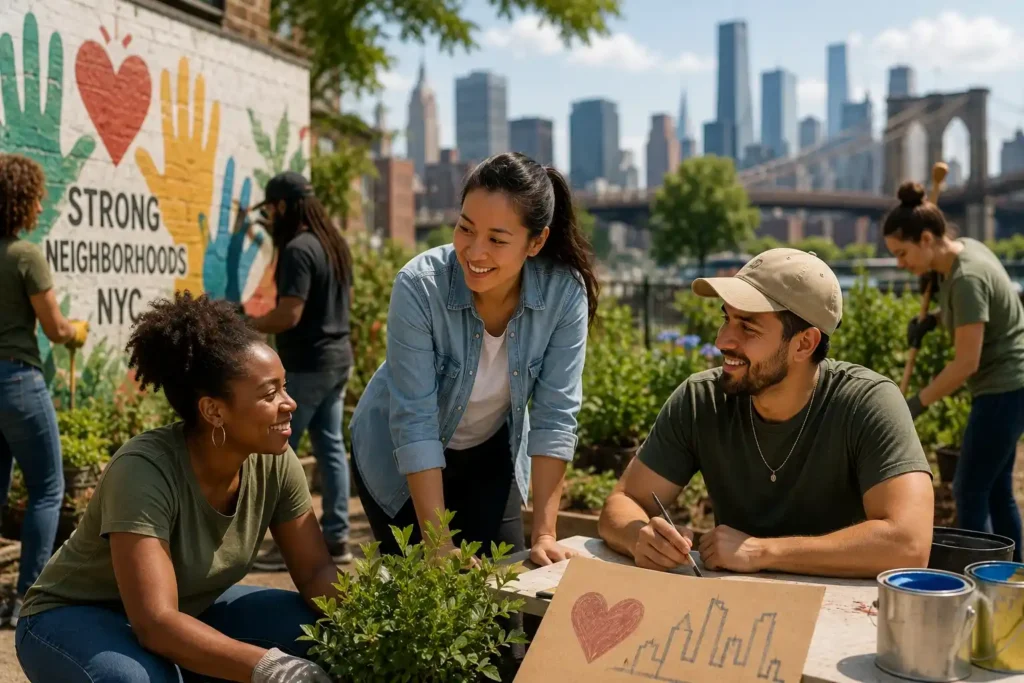
Blog CitizensNYC Community Leaders Grants: How to Apply, Eligibility, Funding Opportunities & Application Guide (2026) July 17, 2026 No Comments Michelle Bennett Quick Answer: What Are CitizensNYC Community Leaders Grants? CitizensNYC Community Leaders Grants provide funding of up to $5,000 to resident-led groups, volunteer-led initiatives, small nonprofits, and public schools working to improve neighborhood life across New York City. Applicants do not need formal nonprofit status, but you must apply as a team of at least two people, and projects must fall within one of the five boroughs. Applications are submitted through the official CitizensNYC website during scheduled grant cycles. This guide covers everything you need to know about CitizensNYC Community Leaders Grants: What Are CitizensNYC Community Leaders Grants? What Types of Projects Receive Funding? CitizensNYC Community Leaders Grants Eligibility Funding Amounts and What the Grant Covers How to Apply for CitizensNYC Community Leaders Grants How Professional Grant Writing Services Improve Success Application Requirements and Important Deadlines Tips to Improve Your Chances of Receiving Funding Common Mistakes Applicants Should Avoid CitizensNYC Community Leaders Grants vs. Other Community Funding Programs Frequently Asked Questions Why Community Leadership and Local Funding Matter Every strong neighborhood starts with someone willing to organize a cleanup, run a food pantry, or launch an after-school program. That kind of community leadership rarely comes with a budget attached. Grassroots organizations and resident-led groups often have the trust and local knowledge to solve problems that larger institutions can’t reach, but they struggle to access financial assistance because they’re small, informal, or new. This is where CitizensNYC funding opportunities fill a real gap. Since 1975, CitizensNYC (formerly the Citizens Committee for New York City) has functioned as one of the nation’s oldest microgranting organizations, supporting neighborhood leaders across all five boroughs. Community grants like this one exist because civic engagement and community resilience grow strongest when the people closest to a problem also have the resources to act on it. For New Yorkers ready to formalize an idea into a funded project, understanding how CitizensNYC Community Leaders Grants work is the first step toward lasting neighborhood impact. What Are CitizensNYC Community Leaders Grants? CitizensNYC Community Leaders Grants are microgrants of up to $5,000 awarded to projects that bring New Yorkers together to improve neighborhood life, strengthen local leadership, and scale community partnerships. Grantee partners define their own community priorities, which is why funded projects span a wide range of focus areas rather than a single narrow theme. This community grant program supports: Arts and Culture Education and Youth Environment and Climate Health and Wellness Economic Development Public Safety Initiatives The underlying philosophy is straightforward: people closest to a neighborhood’s challenges are usually closest to workable solutions, and a modest amount of grant funding can help turn an idea into an organized, sustainable effort. What Types of Projects Receive Funding? Past CitizensNYC grantees have included community gardens, food pantries, tenant associations running know-your-rights trainings, youth mentorship programs, block associations, arts collectives, and neighborhood health initiatives. Competitive projects tend to share a few traits: A clearly defined community need Real involvement from local residents, not just staff or founders A realistic plan for using a small grant effectively Some evidence the project can continue or grow after the grant period Because CitizensNYC evaluates applications on clarity, quality-of-life impact, community engagement, and need, projects that clearly explain who benefits and how tend to stand out. CitizensNYC Community Leaders Grants Eligibility Eligibility rules for CitizensNYC grants are specific, and applicants should confirm current requirements on the official CitizensNYC website before applying, since program details can change between cycles. Based on published program information, general eligibility includes: Requirement Detail Location Project must take place in one of NYC’s five boroughs Group size At least two individuals must apply together Organization type Small nonprofits, volunteer-led initiatives, and public schools (not businesses) Nonprofit status Not required (resident-led and volunteer groups are eligible) Budget cap Nonprofit applicants must have an annual budget under $250,000 (public schools exempt) Affiliation Cannot be a chapter or affiliate of a larger organization Content restriction Projects cannot promote religious, political, or other ideologies Small business owners are not eligible for this particular program, CitizensNYC directs business applicants to its separate Neighborhood Business Grant instead. Eligibility Checklist Project takes place within one of the five boroughs At least two people are applying together Group is a nonprofit, volunteer-led initiative, or public school (not a business) Nonprofit budget is under $250,000, if applicable Group is not a chapter of a larger organization Project does not promote a religious or political ideology Current eligibility confirmed on citizensnyc.org Funding Amounts and What the Grant Covers Category DetailDetails Maximum Grant Amount Up to $5,000 per award Grant Purpose Supports community-building projects Eligible Expenses No fixed published list of eligible or ineligible expenses Applicant Guidance Review the current guidance and sample application on the official CitizensNYC website for allowable costs Budget Expectations Modest budgets tied directly to a defined project rather than general organizational overhead How to Apply for CitizensNYC Community Leaders Grants Step 1: Review Eligibility Carefully Confirm your group size, budget, and project location meet requirements before investing time in a full application. Grant research services can help you identify the most suitable funding opportunities from the start. Step 2: Define Your Project and Community Need Be specific about the problem you’re solving and who benefits. Step 3: Gather Supporting Information This may include a project description, budget outline, and details about your group’s structure. Reviewing the sample application on the CitizensNYC site beforehand is genuinely useful. Step 4: Write a Clear Proposal Focus on quality-of-life impact, community engagement, and need, the same criteria CitizensNYC uses to score applications. Leverage grant proposal writing service to create a well-structured, competitive proposal. Step 5: Submit Before Deadline Late submissions are typically not accepted for microgrant programs of this kind. Grant submission support can help you organize required documents and complete the submission process before the deadline. Step 6: Attend an Info Session (Optional) CitizensNYC periodically hosts sessions where
CitizensNYC Neighborhood Business Grants: Eligibility, Application Process & Funding Opportunities (2026 Guide)

Blog CitizensNYC Neighborhood Business Grants: Eligibility, Application Process & Funding Opportunities (2026 Guide) July 16, 2026 No Comments Emily Carter Quick Answer: What Are CitizensNYC Neighborhood Business Grants? CitizensNYC Neighborhood Business Grants are microgrants of up to $5,000 for small businesses across New York City’s five boroughs. The program supports community-minded businesses running projects that positively impact their neighborhoods. Eligible businesses must be profit-generating, operating two-plus years, with 10 or fewer employees, applying during one of two annual grant cycles. This guide covers everything you need to know about CitizensNYC Neighborhood Business Grants: What Are CitizensNYC Neighborhood Business Grants? Why These Grants Matter for Small Businesses Funding Available Through CitizensNYC Neighborhood Business Grants NYC Neighborhood Small Business Grants Benefits Who Is Eligible? Who Is Not Eligible? Required Documents How to Apply for CitizensNYC Neighborhood Business Grants How Professional Grant Writers Can Improve Your Success Grant Eligible Uses Application Timeline Tips to Improve Your Chances of Approval Common Application Mistakes CitizensNYC Grants vs. Other NYC Small Business Grants Frequently Asked Questions Why Grants for Small Businesses Matter? Running a neighborhood business in New York City takes grit. You’re covering rent, payroll, and inventory while staying connected to the community that keeps your doors open. Despite creating jobs and strengthening local culture, many small businesses struggle to access funding that recognizes their community role, not just their balance sheet. That’s where CitizensNYC Neighborhood Business Grants come in, built for small businesses that are “doing well by doing good” in their neighborhoods. What Are CitizensNYC Neighborhood Business Grants? CitizensNYC Neighborhood Business Grants are microgrants awarded to small businesses that run initiatives benefiting their local community. The program recognizes that neighborhood businesses are more than places of commerce, they’re gathering spots and trusted fixtures in their communities. The goal isn’t to subsidize day-to-day operations. CitizensNYC funds specific community-focused projects, such as Workshops Local Partnerships Initiatives addressing Health and Wellness Education Public Safety About CitizensNYC CitizensNYC, founded in 1975, is one of the nation’s oldest micro-funding organizations, providing financial and capacity-building support to neighborhood leaders across New York City. Beyond grant making, CitizensNYC connects grantee partners into a citywide network with coaching, workshops, and resources. In addition to Neighborhood Business Grants, it offers Community Leaders Grants, Collaborative Impact Grants, and Elliott Fellowships. Program details can change from year to year. Always verify the latest information on the official CitizensNYC website before applying. Why These Grants Matter for Small Businesses Access to funding shapes whether a small business can grow, stabilize, or expand its role in the community. These grants support: Business sustainability during periods of growth or transition Local economic growth by keeping investment inside the neighborhood Neighborhood revitalization through community-facing projects Community engagement between business owners and residents Small businesses that lean into community investment often see long-term growth as a result, customers tend to stay loyal to businesses that give back. Funding Available Through CitizensNYC Neighborhood Business Grants According to CitizensNYC, Neighborhood Business Grants provide up to $5,000 to support initiatives your small business undertakes to positively impact your community. Funded initiatives generally fall into categories such as arts and culture, education and youth, environment and climate, health and wellness, economic development, and public safety. Grant funds are intended for community-impact projects rather than general overhead, typically excluding rent, with salary support limited to a modest per-person stipend. CitizensNYC Neighborhood Business Grants Benefits Benefit Description Financial assistance Up to $5,000 in grant funding for a community-focused project Network access Connection to other Neighborhood Business Grant recipients citywide Resource updates Ongoing updates on resources available to small businesses Community recognition Public association with a respected, long-running grant program Business awareness Increased visibility and customer loyalty tied to community involvement Who Is Eligible? Eligibility Matrix Requirement Applies To Located in NYC’s five boroughs All applicants 2+ years in active, profit-generating operation For-profit small businesses 10 or fewer employees All applicants Not a franchise All applicants Proof of business documentation All applicants Community-benefit project defined All applicants Eligibility criteria can be updated by CitizensNYC each grant cycle. Always review current eligibility requirements on the official CitizensNYC website before applying. Who Is Not Eligible? Applications are commonly disqualified or scored poorly when the business has fewer than two years of operating history, is a franchise or is located outside NYC’s five boroughs, lacks proof of business documentation, requests funds for general overhead rather than a defined community project, or the applicant already received a grant in a cycle where reapplication isn’t permitted. Required Documents Requirements can vary by cycle, but applicants have typically needed to prepare: Proof of business (bank statements, tax documents, or POS terminal statements) A clear description A budget outlining how grant funds will be used A community impact statement explaining the project’s benefit to the neighborhood Always review the latest application requirements on the official CitizensNYC website. How to Apply for CitizensNYC Neighborhood Business Grants Step-by-Step Application Framework Step 1: Check Eligibility Confirm eligibility such as borough, employee count, business age, and profit-generating requirements. Grant research services help identify eligibility requirements, funding priorities, and application deadlines before you begin. Step 2: Gather Required Documents Gather required documents including proof of business and financial records. Step 3: Define your project Define your project, a specific initiative with a clear community impact. Step 4: Prepare Budget Draft your budget, including how the requested funds will be spent. Step 5: Write Your Proposal Explain need, relevance, and expected community impact. Grant proposal writing services can help create a compelling proposal that stands out. Step 6: Submit Application Submit through the official portal before the deadline. Grant submission support can help ensure your application is complete, accurate, and submitted on time. Step 7: Follow Up Monitor email and respond promptly to any requests. CitizensNYC has previously estimated a thoughtful submission takes roughly two to three hours to draft. How Professional Grant Writers Can Improve Your Success Competitive grant programs reward applications that clearly connect a project to community need, present a realistic budget, and follow every
Goldman Sachs Community Development Champions Grant (2026): Eligibility, Application Process, Funding Details & Expert Guide
Blog Goldman Sachs Community Development Champions Grant (2026): Eligibility, Application Process, Funding Details & Expert Guide July 9, 2026 No Comments Emily Carter What Is the Goldman Sachs Community Development Grant? (Quick Answer) The Goldman Sachs Community Development Champions Grant is a philanthropic initiative that provides one-time and multi-year unrestricted operating support to eligible 501(c)(3) nonprofit organizations working to improve the lives of low- and moderate-income (LMI) communities across selected counties in New York, New Jersey, and Utah. Organizations apply through two initiatives, Change Makers and Equity Builders, via Goldman Sachs’s official online portal. This guide covers everything you need to know about the Goldman Sachs Community Development Grant: What Is the Goldman Sachs Community Development Champions Grant? Why This Grant Matters Funding Priorities Who Is Eligible? Who Is NOT Eligible? Grant Amounts & Funding Options How to Apply How Professional Grant Writers Improve Success Required Documents Selection Criteria Tips to Strengthen Your Application Common Application Mistakes Goldman Sachs Community Development Champions Grant vs. Other Corporate Grants Frequently Asked Questions Understanding Goldman Sachs Community Grant Nonprofit funding has never been more competitive. Federal budgets are tightening, foundation dollars are stretched across more applicants, and community development work in underserved communities depends increasingly on corporate philanthropy stepping in. That’s what makes programs like the Goldman Sachs Community Development Champions Grant worth understanding closely. Goldman Sachs, one of the world’s most recognized financial institutions, has built a dedicated grant program around a simple premise: strong communities are the foundation of economic growth. For nonprofit organizations working on affordable housing, workforce development, and small business support, this Goldman Sachs grant program represents a meaningful funding opportunity, but only for organizations that meet its specific eligibility requirements. What Is the Goldman Sachs Community Development Champions Grant? The Goldman Sachs Community Development Champions Grant is a corporate philanthropic initiative run through the firm’s Community Development Grants program. Goldman Sachs describes its underlying philosophy directly: the firm believes that strong communities are the foundation of economic growth and a prosperous society, and it built this program to provide funding support for nonprofits advancing economic opportunity and mobility in LMI communities. The Goldman Sachs grant program supports nonprofit organizations working across four core areas: affordable housing essential community services small business growth neighborhood revitalization This community investment strategy reflects a long-term goal of deepening Goldman Sachs’s charitable giving in the specific geographies where it operates. Key Takeaway: This funding opportunity does not accept applications from organizations across the country. It’s a targeted community development grant limited to specific counties, and eligibility hinges on geography as much as mission alignment. Why Community Development Grant Matters For nonprofit organizations operating in high-cost, high-need urban and suburban areas, general operating grants are among the most valuable forms of funding support available. Unlike restricted project grants, this Goldman Sachs community grant lets recipients apply dollars where they’re needed most, including staffing, systems, technology, or reserves. This matters because: Economic opportunity work is chronically underfunded relative to need in LMI communities. Workforce development and small business support programs often rely on flexible dollars to stay adaptive. Affordable housing organizations face long timelines that benefit from multi-year funding. Capacity building strengthens nonprofit organizations for the long run. Social impact and community leadership get a visibility boost when a major financial institution publicly backs an organization’s work. Funding Priorities Goldman Sachs organizes its community development funding around four pillars. Applications should map clearly to one or more of these funding priorities: Pillar Focus Affordable Housing Housing development/preservation, homeownership counseling, rental assistance, eviction prevention Community Services Workforce development, job training, financial health programs, healthcare and early childhood education access Small Business Growth Technical assistance, access to capital, business incubation for under-resourced small businesses Neighborhood Revitalization Community improvements, community hubs, transit-oriented infrastructure, disaster resilience Standalone arts, fashion, sports, or general cultural programming is generally not eligible unless it’s a direct vehicle toward one of these community development focus areas. Key Takeaway: Funding priorities favor organizations that can tie their programming to measurable economic mobility outcomes, not general community engagement alone. Who Is Eligible? Eligible organizations must meet every requirement below. This is a narrow, geography-specific grant eligibility structure, so review it carefully before investing time in an application. Eligibility Checklist Domestic, nonprofit, tax-exempt organization under Section 501(c)(3) of the U.S. Internal Revenue Code Clear organizational focus on community development addressing LMI areas or households Material presence (office, staff, or significant programming) in an eligible county Eligible New York counties: New York, Bronx, Kings, Richmond, or Queens Eligible New Jersey counties: Hudson or Essex Eligible Utah counties: Salt Lake, Summit, or Tooele U.S.-based organization only (international organizations are not eligible) Organizations based elsewhere in New York, New Jersey, or Utah, but outside these specific counties, do not qualify, even with a strong mission fit. Who Is NOT Eligible? Based on official program materials, the following are documented exclusions: Organizations without current 501(c)(3) tax-exempt status International organizations without a U.S. presence in eligible counties Organizations located outside the specified eligible counties, even within NY, NJ, or Utah Standalone arts, fashion, sports, theater, or general cultural programming not tied to community development outcomes If your organization’s eligibility isn’t clearly addressed above, always verify the latest information on the official Goldman Sachs website before applying. Grant Amounts & Funding Options The program operates through two distinct initiatives, each with a different funding structure: Initiative Type Term Typical Use Change Makers One-time general operating grant 1 year Programmatic or staffing needs Equity Builders Multi-year general operating grant 3 years Capacity building, sustained impact Organizations submit one comprehensive application; Goldman Sachs’s internal review committee determines which initiative (one-time or multi-year) best aligns with the organization’s capacity and proposed impact. Award amounts vary by initiative and organizational scope. Always verify current funding levels on the official Goldman Sachs website, since figures can change between cycles. How to Apply Step 1: Find the opportunity Confirm the current cycle is open on the official Goldman Sachs Community Development Champions webpage. Grant research services can
State Farm Good Neighbor Citizenship Grants: Eligibility, Application Process & Funding Opportunities (2026 Guide)
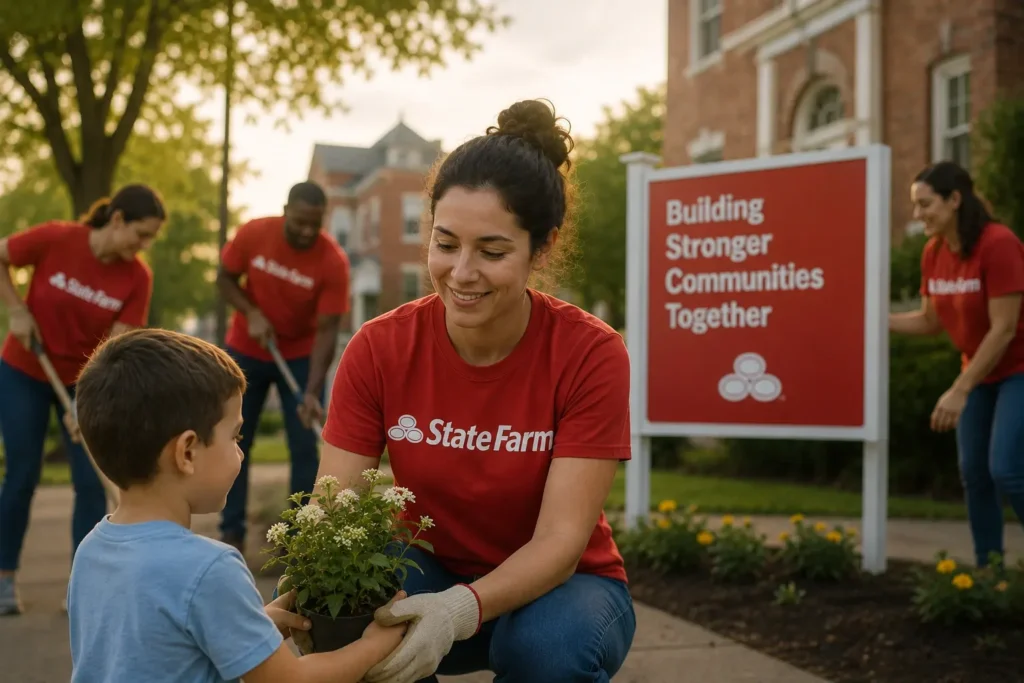
Blog State Farm Good Neighbor Citizenship Grants: Eligibility, Application Process & Funding Opportunities (2026 Guide) July 6, 2026 No Comments Jason Brooks What Are State Farm Grants? (Quick Answer) State Farm Good Neighbor Citizenship Grants are corporate philanthropy awards from the State Farm Companies Foundation that fund nonprofit organizations, schools, and government entities working in safety, education, and community development. Most State Farm grants are invitation-only, though eligible organizations can submit a support request. This guide covers everything you need to know about the State Farm Grants: What Are State Farm Good Neighbor Citizenship Grants? About the State Farm Foundation State Farm Funding Priorities Who Is Eligible? What Types of Projects Receive Funding? Grant Requirements How to Apply for State Farm Good Neighbor Citizenship Grants? How Professional Grant Writing Services Improve Success Tips to Strengthen Your Grant Application Common Reasons Applications Are Not Funded Alternatives to State Farm Good Neighbor Citizenship Grants Frequently Asked Questions How State Farm Supports Nonprofits and Communities Corporate grants play a growing role in how nonprofit organizations fund their missions, and State Farm has built one of the more recognizable community investment programs in the country. Through corporate philanthropy, the CSR program supports local communities across the United States by funding programs that improve safety, strengthen education, and build stronger neighborhoods. For nonprofit organizations, 501(c)(3) organizations, schools, and community organizations, understanding how the Good Neighbor Citizenship grant works can open the door to meaningful funding support. Because grant program details change from year to year, always verify the latest eligibility requirements, deadlines, and application details on the official State Farm website before applying. What Are State Farm Good Neighbor Citizenship Grants? The State Farm Good Neighbor Citizenship Grants (also called the Good Neighbor Citizenship Company Grants) are part of State Farm’s broader corporate social responsibility (CSR) strategy. The program reflects the organization’s charitable focus on being “like a good neighbor” by investing in the communities where its customers and employees live and work. The Good Neighbor grant program is administered through the State Farm Companies Foundation and channels charitable funding toward nonprofit organizations, educational institutions, and eligible government entities. Rather than funding a broad range of causes, State Farm community grants are concentrated around three core focus areas, giving the program a clear and consistent philanthropic identity. About the State Farm Foundation The State Farm Foundation exists to carry out the company’s long-term community investment strategy. Its charitable giving priorities center on programs that produce measurable community outcomes rather than one-time gestures. Key elements of the State Farm Foundation’s approach include: Supporting initiatives with long-term community investment potential rather than short-term projects Building community partnerships with established nonprofit organizations and institutions Prioritizing sustainable community development over isolated activities Concentrating State Farm Foundation grants within its three stated focus areas Funding Priorities State Farm’s charitable focus is organized around three primary areas, each covering several sub-priorities. Focus Area What It Supports Safety Auto and roadway safety, home safety, disaster preparedness, disaster recovery Education K-12 academic performance, STEM programs, teacher development programs, workforce-readiness initiatives Community Development Affordable housing, neighborhood improvement, financial literacy, small business and economic empowerment These funding priorities matter because they signal exactly where the organization’s wants its community investment to make an impact. Nonprofits whose programs align with education initiatives, disaster preparedness, or neighborhood revitalization are generally better positioned than organizations with a broader, less-defined mission. Health and wellness initiatives, environmental sustainability, and youth development programs may also be considered when they intersect with these three core pillars, but they are not standalone categories. Who Is Eligible? Eligibility for State Farm grants generally extends to: Nonprofit organizations, including 501(c)(3) organizations Schools and educational institutions Community organizations with programs tied to safety, education, or community development Local governments and municipal, county, state, or federal government entities whose programs align with State Farm’s charitable focus Certain membership-based organizations Who is not typically eligible: Individual applicants Religious programs Politically partisan organizations Organizations located outside the United States Eligibility Decision Tree: Is your organization a 501(c)(3) nonprofit, school, or eligible government entity? → If no, you likely do not qualify. Does your program align with Safety, Education, or Community Development? → If no, reconsider fit before applying. Is your organization based in the United States? → If no, you are not eligible. Have you received an invitation, or does the organization,s process allow a support request submission? → Proceed accordingly, confirming the current process on State Farm’s website. What Types of Projects Receive Funding? Examples of the kinds of community-based programs that fit the organization’s funding priorities include: Teen driver and roadway safety education Disaster preparedness and disaster recovery programs K-12 academic performance and STEM educational programs Financial literacy and workforce development training Affordable housing and neighborhood revitalization projects Volunteer engagement and community outreach initiatives Public safety partnerships with local fire departments or first responders Grant Requirements While specific application requirements vary by cycle, most corporate grant programs expect applicants to demonstrate: Nonprofit status (typically 501(c)(3) or equivalent) A clear program description aligned with stated funding priorities Required documentation such as organization’s financial statements, details about the governing board, and a budget for the program A plan for program evaluation and measurable community outcomes Reporting requirements once a grant award is issued, including how funds were used How to Apply Because much of State Farm’s charitable giving operates by invitation, preparation matters as much as timing. Here is a general application roadmap nonprofits can follow: Step 1: Research the funder Confirm current funding priorities and whether an open application or support-request process exists. Step 2: Check eligibility requirements Review eligibility requirements carefully before investing staff time. Step 3: Gather required documentation Gather required documentation, including IRS determination letters, financial statements, and program data. Step 4: Build community partnerships Build community partnerships that strengthen your case for local impact. Step 5: Write a competitive proposal Write a competitive proposal that ties your program directly to Safety, Education, or Community Development. Using professional grant proposal writing services can improve