
HISA Grant for Veterans: Eligibility, Bathroom Remodel & Application Process
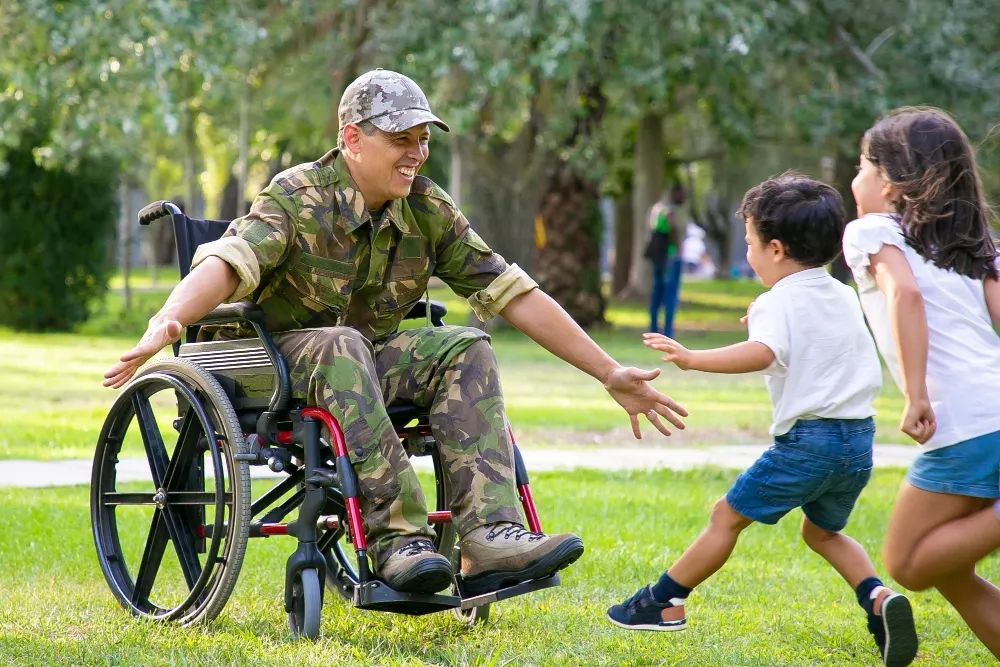
Blog HISA Grant for Veterans: Eligibility, Bathroom Remodel & Application Process April 7, 2026 No Comments Jason Brooks Understanding How the HISA Grant Can Transform Your Home for Accessibility The HISA grant — short for Home Improvements and Structural Alterations, is a VA benefit that provides funding to eligible veterans for medically necessary home modifications. It covers accessibility upgrades like bathroom remodeling, ramps, and stair glides. Veterans with service-connected or qualifying non-service-connected disabilities may qualify, with lifetime funding limits based on disability status. Purpose of HISA Grant Coming home after military service should feel safe, comfortable, and dignified. But for many veterans living with physical disabilities, the reality is different. Standard homes aren’t built for mobility challenges, and everyday tasks — using the bathroom, entering the front door, navigating stairs — can become serious obstacles. The Department of Veterans Affairs recognizes this. Through a range of VA home improvement programs, disabled veterans can access funding and support to make their living spaces safer and more functional. Among these programs, the HISA grant stands out as one of the most impactful and accessible tools available. Whether you’re a veteran who suffered a service-connected injury, or a family member helping a loved one regain independence at home, understanding how this program works can be life-changing. This guide breaks down everything you need to know — from eligibility and benefit amounts to the step-by-step application process, so you can take action with confidence. What Is the HISA Grant? The HISA program — formally known as Home Improvements and Structural Alterations, is a VA benefit administered through Veterans Health Administration (VHA). Its purpose is straightforward: to help veterans make medically necessary home modifications that support their treatment or improve their ability to live independently. provides financial assistance to eligible veterans who need medically necessary home modifications. In simple terms, it provides financial assistance to eligible veterans for these modifications. Unlike some one-time reimbursements that focus exclusively on purchasing or refinancing homes, the HISA benefit is a lifetime benefit, meaning the funding can be used across multiple projects over time. It’s designed to bridge the gap between a veteran’s disability and a home that wasn’t built with that disability in mind. The program is managed through each VA medical center’s Prosthetic and Sensory Aids Service, which oversees the approval, funding, and inspection process. Who Qualifies for the HISA Grant? Understanding eligibility is the first step in determining whether the HISA program can help you. Service-Connected Veterans A veteran may qualify for the higher tier of HISA benefit amounts if they meet the following criteria: The beneficiary has a service-connected disability rated by the VA The home improvement or structural alteration is needed to address a compensable disability treated as service-connected or to accommodate the effects of that disability The veteran is entitled to medical services under 38 U.S.C. through the VA Veterans with a service-connected disability rated at least 50 percent — meaning rated at least 50 percent, are eligible for the maximum benefit tier. However, even veterans with lower ratings or non-service-connected conditions may still qualify for a lower benefit amount under the HISA program. Non-Service Connected Veterans Veterans who do not have a service-connected condition but receive VA care may qualify for HISA assistance at a reduced funding level. To be eligible in this category, the veteran must be receiving VA medical care for the condition that requires home modification. If you are unsure whether your situation qualifies, you can check your grant eligibility directly. What Does the HISA Grant Cover? The HISA grant covers a broad range of improvement or structural alteration projects, as long as they are medically necessary and directly related to a veteran’s disability or treatment plan. Here’s a closer look at what qualifies: Bathroom Remodeling and Hygiene Modifications This is one of the most common uses of the HISA grant. Roll-in showers, accessible sinks, grab bars, lowered counters, and widened doorways all fall under eligible VA bathroom remodeling improvements. Ramps and Entrance Modifications Construction of permanent ramping, improving entrance paths or driveways, and building accessible entryways are all covered. If a veteran uses a wheelchair or has mobility limitations, modifying how they enter and exit the home is a primary focus of the program. Stair Glides and Porch Lifts For multi-story homes, stair glides and porch lifts offer critical assistance when full structural changes aren’t practical. These modifications allow veterans to safely navigate their living space without risk of falls or injury. Other Structural Modifications Beyond bathroom and entryway work, the HISA grant supports a broad range of necessary improvements and structural alterations that help make a home more accessible for a veteran’s daily living and directly support their medical needs. Additional eligible modifications include: Widening interior doorways and hallways Lowering kitchen counters or cabinets Installing handrails Plumbing modifications for kitchen accessibility Electrical adaptations to accommodate medical equipment Notably, home security systems do not qualify — the focus must remain on medical necessity tied to the disability. HISA Grant for Bathroom Remodel (VA Bathroom Remodeling) For many veterans, the bathroom presents the highest risk of injury at home. Falls in the shower or tub are a leading cause of serious harm among people with mobility or balance impairments — and for disabled veterans, this is a daily reality. The HISA grant specifically supports VA bathroom remodeling projects when a physician determines that modifications are medically necessary. This means the improvement must be tied directly to a veteran’s condition, not simply cosmetic or convenience-driven. Common approved bathroom modifications include: Roll-in showers for wheelchair users Grab bars near toilets and in shower areas Raised toilet seats or toilet modifications Non-slip flooring to prevent falls Widened doorways to allow wheelchair or walker access Accessible vanities with knee clearance Consider a veteran who sustained a spinal cord injury during service and now uses a wheelchair. Their standard bathroom has a tub with no accessible entry and a narrow doorway. A HISA-funded bathroom renovation could transform that space with
Hardship Grants for Individuals: Your Practical Guide to Financial Relief

Blog Hardship Grants for Individuals: Your Practical Guide to Financial Relief March 16, 2026 No Comments Michelle Bennett Hardship Grants for Individuals: A Comprehensive Guide Life is unpredictable, and when financial hardship strikes — whether from medical bills, unemployment, or a natural disaster, it can feel overwhelming and isolating — the idea of “free money” or hardship grants can feel like a lifeline. But how do these grants really work? Who qualifies? And how can you find legitimate support without getting tricked or cheated by fraud. This guide breaks everything down in a straightforward, human-centered way so you can understand your options and take informed action. Understanding Hardship Grants What Are Hardship Grants? At their core, hardship grants are financial awards meant to help individuals and families in crisis cover essential expenses. Hardship relief programs are non-repayable, usually one-time, short-term financial assistance programs offered by governments, non-profits, and charities in the United States. They help individuals and families cover essential living expenses like rent, utilities, housing, and medical bills during an unexpected crisis such as job loss, severe illness, natural disaster, or domestic violence. These emergency grants are often means-tested, require documentation, and provide relief through bank transfer, voucher, or check. You don’t have to pay them back — but they are typically awarded based on strict eligibility rules tied to income, need, or specific circumstances like natural disasters or severe financial strain. Their purpose is to provide targeted, sometimes emergency, financial relief rather than long-term financial support. How Hardship Grants Work Aim at basic needs — housing, food, utilities, healthcare, childcare, or energy costs. Require proof of hardship , income eligibility, and supporting documentation. Often function through local agencies , nonprofits, or community relief funds. Are usually one-time or short-term in nature rather than ongoing monthly support. Hardship grants work through a clear financial assistance process. Government agencies, nonprofits, or employers manage these funds to help individuals facing unexpected financial crises. You submit an application with required proof such as eviction notices or medical bills. Agencies review documentation, verify income through means testing, assess eligibility criteria, and make an approval decision. After evaluation, they allocate funds and distribute payment for basic and essential needs. In many cases, while the federal government doesn’t directly hand out hardship cash to individuals, government-funded programs operate much like grants by providing free financial relief or services. Who Qualifies for Hardship Grants? Who Can Apply? After reviewing various government programs and nonprofit grants, we found that eligibility criteria differ by provider but commonly include: Low-Income Individuals and Families Most hardship support prioritizes those with incomes below a certain threshold, especially those struggling with basic needs. Students Facing Emergencies Many universities offer hardship grants for college students through emergency aid funds to help with unexpected expenses like rent, travel, or medical costs. Veterans and Essential Workers Some nonprofits target financial support to veterans, first responders, and workers in sectors like education or hospitality experiencing hardship. Residency Requirements Many hardship grants require applicants to meet specific residency criteria. This often means being a citizen or permanent resident of the country where the grant is offered. Some programs may also require proof of state, regional, or local residency. What You Need to Qualify? Requirements for Hardship Grants are as follows: Proof of financial hardship, such as job loss, medical emergency, or natural disaster. Residency requirements, often limited to citizens or permanent residents. Income thresholds, ensuring that funds go to those with genuine need. Supporting documentation, including bills, medical records, or termination notices. Types of Financial Hardship Support 1. Who’s Offering the Help? Government Benefit Programs While these aren’t grants in the strictest sense, government programs provide critical support that alleviates financial hardship. SNAP (Supplemental Nutrition Assistance Program) SNAP offers monthly benefits to help low-income individuals purchase food. It’s one of the most widely used programs to help households cover essential grocery costs. TANF (Temporary Assistance for Needy Families) TANF provides cash assistance to low-income families to assist with basic living expenses, job training, and support services. Medicare, Medicaid, and SSI Healthcare and income support programs like Medicaid and Supplemental Security Income (SSI) help cover medical costs and basic needs for qualifying individuals. Housing & Energy Assistance Programs like LIHEAP help eligible households pay heating and cooling bills — reducing utility burden during extreme weather. Nonprofit and Charity Grants These are often closer to the hardship grants people imagine, because they can offer one-time financial help for emergencies, bills, or essential expenses. These are often closer to the hardship grants people imagine, because they can offer one-time financial help for emergencies, bills, or essential expenses. Emergency Family Relief Funds Organizations such as Modest Needs Foundation and local relief funds offer financial assistance to cover sudden costs like rent or medical bills. Grants for Specialized Populations Some nonprofits offer grants for specific groups such as veterans, single parents, low-income students, and essential workers. For example: Grants for bartenders and hospitality workers after catastrophic events. Artist emergency grants. Veteran hardship grants. Private Foundation Grants Private foundations offer financial aid based on specific eligibility criteria, such as age, health condition, or community involvement. These grants often require a detailed application process, including: Personal statements explaining the hardship. Proof of income and expenses. Letters of recommendation or professional references. 2. What Kind of Support Can You Receive? Medical Hardship GrantsFinancial assistance to cover medical bills, treatments, or healthcare-related expenses. Housing Hardship GrantsGrants aimed at preventing homelessness or assisting with rent, mortgage, or utility payments during financial crises. Educational Hardship GrantsSupport for students facing financial barriers to continuing education, including tuition, textbooks, and living expenses. Emergency and Disaster GrantsAid provided during natural disasters or unforeseen events, such as floods, fires, or pandemics. Special Circumstance GrantsTargeted funds for unique personal circumstances, such as domestic violence survivors, veterans in crisis, or families with disabled members. How to Find Hardship Grants (Free Money) for Individuals Finding the right hardship grant requires research and strategic application. Some effective methods include: 1. Online Grant Databases Websites like