
How to Write a Grant: Complete Nonprofit Grant Writing Guide for 2026

Blog How to Write a Grant: Complete Nonprofit Grant Writing Guide for 2026 July 6, 2026 No Comments Emily Carter Understand How to Write a Grant Every year, billions of dollars in grant funding go unclaimed, not because qualified nonprofits don’t exist, but because their grant proposals miss the mark. Whether you’re new to nonprofit grant writing or refining your approach, this complete grant writing guide walks you through every step: from finding the right grant opportunity to submitting a polished proposal. What Is Grant Writing? Grant writing is the process of preparing a formal written request, asking a funder to invest in your organization’s work. Grants are non-repayable funds awarded by government agencies, private foundations, or corporations to eligible organizations that meet their funding priorities. Common grant types include: Government grants: Federal and state funding distributed through platforms like Grants.gov. These are highly competitive and require strict compliance, including SAM.gov registration and 501(c)(3) nonprofit grants eligibility verification. Foundation grant proposals: Private or family foundations with defined giving areas (e.g., education, health, housing). Corporate grant applications: Companies investing in community impact, often tied to their CSR priorities. Community grants: Local funders supporting neighborhood-level programs. Research grants: Academic or scientific funding from agencies like NIH or NSF. Nonprofit grant writing requires matching your organization’s mission to a funder’s stated priorities, before you write a single sentence. How Grants Work The grant application process follows a predictable lifecycle: funders release a Request for Proposals (RFP) or Notice of Funding Opportunity (NOFO), applicants submit proposals, reviewers score them, and awards are made. Most grants are restricted, meaning funds must be used only for approved activities, and are also competitive, meaning your proposal must outperform others on the same review panel. Grant cycles vary. Federal opportunities often have annual deadlines. Foundation grants may accept rolling applications. Understanding grant funding requirements and eligibility criteria before you apply saves months of wasted effort. Different Types of Grants Not all grants are the same. Understanding the different categories helps you target the right opportunities. Grant Type Description Typical Funders Federal Grants Government-funded programs Government agencies State Grants Local or state-level funding State departments Foundation Grants Funding from charitable foundations Private organizations Corporate Grants Business-sponsored funding Large corporations Research Grants Scientific or academic funding Universities and agencies Capital Grants Buildings or infrastructure Hospitals, community centers Program Grants Specific initiatives Nonprofits, educational programs Operating Grants General organizational support Established nonprofits Each grant type has different expectations. Federal grants are usually highly detailed and data-heavy. Foundation grants often focus more on community impact and storytelling. Corporate grants frequently align with brand values or corporate social responsibility goals. For a deeper breakdown of these categories, you can also read our guide on Types of Grants Available in the US. Essential Preparation Before Writing a Grant Writing a strong grant proposal starts long before typing the first sentence. Preparation is where successful proposals are born. Defining Your Mission and Goals A surprising number of organizations struggle to explain what they actually do. If your mission statement sounds confusing, overly broad, or generic, reviewers may lose confidence immediately. Your mission should answer three core questions: What problem are you solving? Who benefits from your work? How will you create measurable change? Strong goals are specific and realistic. Instead of saying “improve education,” say “increase literacy rates among middle school students by 20% within one academic year.” Specificity builds trust. Collecting Supporting Data and Evidence Data is the backbone of grant writing. Funders want proof that the problem exists and that your solution has potential. Useful supporting evidence may include: Government statistics Academic research Community surveys Testimonials Case studies Financial reports For example, if your nonprofit supports homeless veterans, including local homelessness statistics strengthens your case dramatically. Real numbers help reviewers visualize urgency. At the same time, balance statistics with human stories. Data explains the scale of the issue. Stories explain the emotional impact. Visual Grant Process Flow Diagram Step 1: Find the Right Grant Opportunity Effective grant prospect research begins with alignment, not desperation. Use the Grants.gov application to identify funding programs whose priorities align with your program’s goals. Professional Grant Prospect Research can also help organizations uncover high-fit opportunities, analyze funder priorities, and build a targeted funding pipeline that increases the chances of success. Ask before applying: Does this funder support our issue area, geography, and population? Are we eligible (nonprofit status, budget size, program stage)? Does the funding amount match our project scope? Step 2: Carefully Read the Grant Guidelines Once you’ve identified an opportunity, read every word of the solicitation. Note page limits, font requirements, required attachments, and grant scoring criteria. NIH, NSF, and most federal funders disqualify proposals that ignore formatting rules, no matter how strong the narrative. Grant funding requirements are not suggestions. Treat the application guide as your blueprint. Step 3: Gather Organizational Information Before drafting, compile: EIN and IRS determination letter (proof of 501(c)(3) nonprofit grants eligibility) Recent audited financials or Form 990 Organizational history, mission statement, and key program data Board member list and leadership bios Step 4: Write a Strong Statement of Need The statement of need is the foundation of how to write a grant proposal that reviewers remember. It answers: Why does this problem matter, who is affected, and why now? Strong need statements combine data-driven grant applications with human stories. Use local statistics, peer-reviewed research, and, where appropriate, a brief client narrative. Avoid assuming the reviewer knows your community’s challenges, make the case explicitly. Evidence-based grant proposals writing show reviewers you understand the problem at a systems level. Step 5: Create SMART Grant Goals and Objectives Goals are broad aspirations; objectives are specific, measurable, achievable, relevant, and time-bound. Reviewers want to see that you can define success. Goal: Increase high school graduation rates among at-risk youth in [County]. Objective: By December 2026, 80% of the 60 enrolled youth will advance to the next grade level, as tracked by school attendance records. Program outcomes and impact should connect directly to the
Letter of Support for Grants: How to Write, Templates, Examples & Best Practices (2026)

Blog Letter of Support for Grants: How to Write, Templates, Examples & Best Practices (2026) July 7, 2026 No Comments Michelle Bennett Ways a Grant Writing Firm Strengthens Your Approval Potential Most grant proposals don’t fail because of bad ideas—they fail because they lack credibility. A letter of support for grants is a formal document written by a third party — such as a partner organization, community leader, or stakeholder — that endorses a grant applicant’s project and confirms its value to the community or field. It strengthens a grant proposal by demonstrating external credibility, organizational partnerships, and real-world demand for the proposed work. Most funders look for these letters as part of grant application supporting documents, and in competitive rounds, they can meaningfully influence scoring. What Is a Letter of Support for Grants? A letter of support for grants is a written endorsement from an individual or organization that is not the primary applicant. It attests to the legitimacy, relevance, and potential impact of a proposed project. Unlike a letter of recommendation (which focuses on a person), a grant support letter centers on the project itself — its goals, its community value, and the supporting party’s confidence in its execution. In the context of grant proposal writing, these letters serve as third-party endorsements. They tell reviewers: “This project matters beyond the walls of the applying organization.” Whether you’re pursuing government grants, private foundation grants, or corporate grants, a well-crafted support letter adds a layer of independent validation that a narrative alone cannot provide. The purpose of a letter of support extends beyond formality. It demonstrates that the applicant has built relationships, engaged stakeholders, and earned trust within their community or field — all signals that experienced reviewers weigh heavily. Importance of Letter of Support in Grant Writing A letter of support for grants is a written endorsement from an individual or organization that is not the primary applicant. It attests to the legitimacy, relevance, and potential impact of a proposed project. Unlike a letter of recommendation (which focuses on a person), a grant support letter centers on the project itself — its goals, its community value, and the supporting party’s confidence in its execution. In the context of grant proposal writing, these letters serve as third-party endorsements. They tell reviewers: “This project matters beyond the walls of the applying organization.” Whether you’re pursuing government grants, private foundation grants, or corporate grants, a well-crafted support letter adds a layer of independent validation that a narrative alone cannot provide. The purpose of a letter of support extends beyond formality. It demonstrates that the applicant has built relationships, engaged stakeholders, and earned trust within their community or field — all signals that experienced reviewers weigh heavily. Who Can Write a Letter of Support? Knowing who should write a letter of support is as important as knowing what it should say. The most credible letters come from parties with a direct, verifiable relationship to the project or the community it serves. Appropriate authors include: Partner organizations that will contribute resources, expertise, or infrastructure to the project Government agencies or officials who have jurisdiction or oversight in the relevant area Academic institutions or researchers validating the evidence base of the project Community leaders who represent the populations the project aims to serve Healthcare providers, schools, or social service organizations with direct client-facing knowledge of the problem Nonprofit organizations with complementary missions that support the applicant’s approach A letter of support for grants is a written endorsement from an individual or organization that is not the primary applicant. It attests to the legitimacy, relevance, and potential impact of a proposed project. Unlike a letter of recommendation (which focuses on a person), a grant support letter centers on the project itself — its goals, its community value, and the supporting party’s confidence in its execution. In the context of grant proposal writing, these letters serve as third-party endorsements. They tell reviewers: “This project matters beyond the walls of the applying organization.” Whether you’re pursuing government grants, private foundation grants, or corporate grants, a well-crafted support letter adds a layer of independent validation that a narrative alone cannot provide. The purpose of a letter of support extends beyond formality. It demonstrates that the applicant has built relationships, engaged stakeholders, and earned trust within their community or field — all signals that experienced reviewers weigh heavily. Types of Grant Support Letters Not all grant support letters serve the same function. The type you need depends on the nature of the grant and your project. Nonprofit letter of support Used when a nonprofit organization applies for funding from a foundation or government program. Often written by community partners, board members from allied organizations, or local government officials who endorse the nonprofit’s mission and track record. Letter of support for research grant Common in academic and scientific funding environments, such as NIH, NSF, or private research foundations. These letters often come from collaborating institutions, department heads, or subject-matter experts who confirm the scientific merit or feasibility of the proposed study. Letter of support for community project Required when a neighborhood initiative, municipal program, or grassroots effort seeks non-repayable funding from a local or regional funder. Letters from elected officials, faith leaders, or resident associations carry particular weight here. Collaboration letter for a grant Specifically confirms that two or more organizations will work together on a jointly submitted or co-funded project. This type details each party’s roles, contributions, and accountability. Letter of endorsement for a grant A broader form of support, often from an organization that is not directly involved in the project but endorses the applicant’s approach, values, or community standing. Not sure if your idea actually qualifies for funding? Don’t guess—unlock instant clarity with a Free Grant Eligibility Check and discover your chances in minutes. Structure of a Strong Letter of Support The structure of a letter of support follows a clear, professional arc. Each section should add something that the previous one did not. Introduction: Identify who
Grant Writing for Churches: Complete Guide to Securing Faith-Based Funding
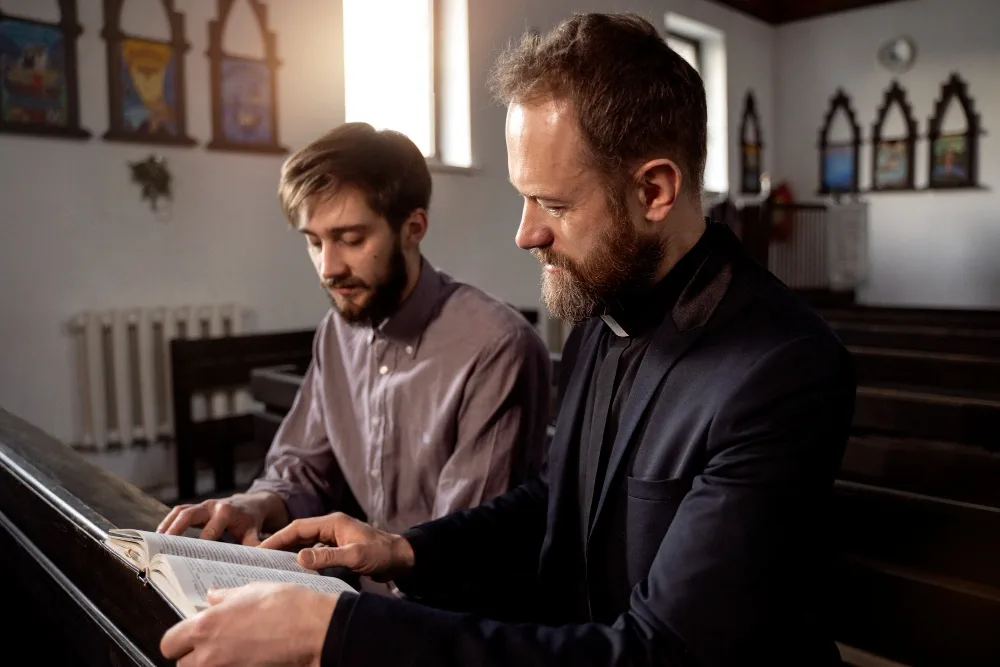
Blog Grant Writing for Churches: Complete Guide to Securing Faith-Based Funding April 22, 2026 No Comments Jason Brooks Find Funding to Grow Your Church’s Mission Without Draining Your Budget Grant writing for churches is the structured process of researching, preparing, and submitting funding proposals to foundations, government agencies, and corporations to support a church’s programs, facilities, and community mission. For faith-based organizations navigating rising operational costs and expanding community needs, securing grants has become less of a luxury and more of a strategic necessity. This guide walks you through everything — from eligibility and proposal writing to compliance and finding the best church funding grants available in 2026. Why Churches Need a Grant Strategy Running a church today involves far more than Sunday services. Many congregations operate food pantries, after-school programs, housing assistance initiatives, youth ministries, and community health outreach — all of which require consistent, substantial funding. Tithes and offerings remain the backbone of most church budgets, but they rarely cover the full cost of mission-driven programs. Capital projects like church renovation grants, building expansions, or new facility construction add another layer of financial pressure that donations alone cannot reliably sustain. This is where grant writing for churches becomes a transformative tool. Grants provide non-repayable funding — meaning your church keeps every dollar without accumulating debt. But they are not “free money.” They require rigorous preparation, strategic alignment, and long-term commitment to reporting and compliance. Organizations that approach grants with a professional strategy consistently outperform those that treat it as a casual exercise. What Is Grant Writing for Churches? Church grant writing is the formal process of identifying funding opportunities and crafting written proposals that persuade funders to invest in your church’s programs or infrastructure. A grant proposal communicates your church’s mission, the problem you are addressing, how you plan to solve it, and what measurable outcomes funders can expect in return for their investment. Unlike a donation request letter, a grant proposal follows a specific format, meets detailed eligibility requirements, and is evaluated against a competitive pool of applicants. For faith-based nonprofit funding, the stakes are high — and so is the opportunity. The United States has thousands of private foundations, government programs, and corporate giving arms that specifically support religious organizations and the communities they serve. Types of Grants for Churches Understanding the funding landscape is the first step in any church grant application strategy. Faith-Based Grants Faith-Based Grants are specifically designed for religious and faith-motivated organizations. These can come from denominational bodies, faith-aligned foundations, or national networks that prioritize ministry grants and spiritual community development. Government Grants for Churches Government Grants for Churches are available when churches operate qualifying social service programs. Federal and state agencies do not fund religious worship, but they do fund service delivery — housing, food security, health, education, and workforce development. Churches with 501(c)(3) status regularly access these programs through agencies like HUD, USDA, and the Department of Health and Human Services. Private Foundation Grants Private Foundation Grants represent one of the largest pools of nonprofit church funding available. Organizations like the Lilly Endowment, the John Templeton Foundation, and thousands of community foundations actively fund faith-based programs, church mission funding initiatives, and community outreach grants for churches. Corporate Grants for Churches Corporate Grants for Churches are offered through corporate social responsibility (CSR) programs. Major corporations, banks, and local businesses often fund community-serving nonprofits — including churches — particularly when there is geographic or mission alignment with their brand values. Each funding type serves different needs. Grants for church building projects typically fall under a different category than grants for youth ministry programs or community development church programs. If you’re unsure which funding path fits your church, explore Types of Grants Available in the US to quickly identify the right opportunities and avoid wasting time on the wrong ones. How Church Grant Writing Works Effective church grant writing is not a one-time event — it is an ongoing organizational function. The process begins well before a proposal is written. It starts with organizational readiness: ensuring your 501(c)(3) status is current, your financial records are clean, your programs are documented, and your leadership is aligned around the funding goals. Funders evaluate the organization behind the proposal just as much as the proposal itself. Next comes prospect research: systematically identifying grant opportunities that match your church’s mission, geography, and program focus. This involves using databases, reading funder guidelines carefully, and building relationships with program officers when possible. Then comes the actual proposal development: writing a compelling narrative, building a defensible budget, gathering required supporting documents, and meeting every submission requirement in the funder’s guidelines. A single missed document or an overlooked eligibility criterion can disqualify an otherwise strong application. Finally, grant management for churches doesn’t end at submission. Reporting, stewardship, and compliance are ongoing responsibilities that directly influence future funding decisions. Church Grant Application Process: Step-by-Step Step 1: Identify Funding Opportunities Start with platforms like Grants.gov for federal opportunities and the Foundation Directory for private foundations. Your denomination’s national office and local community foundations are also valuable starting points. Building a church grant database of relevant opportunities makes this process more systematic over time. Step 2: Check Eligibility Every grant has specific church grant eligibility criteria. Confirm that your church meets requirements around tax-exempt status, program type, geography, budget size, and organizational history before investing time in a full proposal. Step 3: Prepare Required Documents Most funders require a combination of: IRS determination letter Audited financial statements Organizational budget Board roster List of current funders Program descriptions Clarity Preparing a central document repository saves significant time as you apply for church grants online. Step 4: Write the Proposal Follow the funder’s grant proposal format precisely. Address every question, meet every word limit, and tailor your narrative to the specific funder’s priorities — not just your church’s general talking points. Step 5: Submit the Application Review the grant submission guidelines carefully. Submit early to avoid technical issues. Keep a timestamped copy of every submission
How to Track Your Grant Application Status (Step-by-Step Guide 2026)

Blog How to Track Your Grant Application Status (Step-by-Step Guide 2026) April 22, 2026 No Comments Jason Brooks Understanding the Grant Application You submitted your grant application—but now you’re stuck staring at a status that never changes. Tracking your grant application status starts with your confirmation email and application reference number. Log into the grant application portal, enter your reference number, and monitor your grant dashboard status for updates. Most portals show real-time stages from “Submitted” through “Under Review” to “Approved” or “Rejected.” If no update appears after the stated timeline, contact the grant support team directly. Introduction: The Silence After Submission Is Real — Here’s How to Break It You submitted your application. You double-checked every document, hit send, and then — nothing. No updates, no calls, no clear timeline. Just a waiting game with no rules posted on the wall. This is the most common experience for grant applicants, whether you’re a first-time individual applicant, a nonprofit chasing federal funding, or a small business owner navigating a foundation grant. The confusion isn’t your fault. Grant systems are built for administrators, not applicants. They rarely communicate well, and the process behind the scenes is more layered than most people realize. This guide exists to change that. You’ll learn exactly How to track your grant application status What each status stage actually means When to follow up What delays are normal versus concerning What tools professional grant managers use in 2026 By the time you finish reading, you’ll have a clear, repeatable system for managing every application you submit — now and in the future. What Happens After You Submit a Grant Application? Most applicants assume the review process starts the moment they click submit. In reality, there are several administrative layers before your application ever reaches a human reviewer. Step 1: Automated Intake and Confirmation Most grant systems send a confirmation email within 24 hours, including your application reference number—save it. If you don’t receive it within 24–48 hours, check your spam folder. If it’s still missing, contact the grant provider to ensure your submission was received. Step 2: Eligibility Screening Before your application moves to content review, most programs run an eligibility verification process. Staff or automated systems check whether you meet the basic criteria — Location Organization type Budget thresholds Required documentation Applications that fail this stage are often returned before the grant evaluation criteria are ever applied. Step 3: Administrative Completeness Check This is where missing documents create the most common grant application delays. Grant coordinators verify that every required form, attachment, budget narrative, and certification has been included. An incomplete file doesn’t automatically get rejected — but it does stall progress significantly. Step 4: Assignment to Review Committee Once cleared administratively, your application is assigned to an review committee. This committee applies the grant scoring system defined by the funder — evaluating impact, feasibility, organizational capacity, and alignment with funding priorities. Step 5: Decision and Notification The committee deliberates, scores are tallied, and a grant award notification is issued. This can happen via portal update, email, or both — depending on the funder’s system. When you know what stage your application is in, you can make smarter decisions about when to wait and when to act, and understand key questions like “Do You Have to Pay Back a Federal Grant?” The answer is usually no, but failing to follow funding rules or reporting requirements could mean returning the money. How to Track Your Grant Application Status (Step-by-Step) This is the core process for any applicant who wants to check application status online without confusion or wasted effort. Step 1: Locate Your Grant Application Confirmation Email Open the confirmation email you received at submission. This message contains your grant tracking number or application reference number. It may also include a direct link to your grant application portal login page. Store this information in a dedicated folder — you’ll refer back to it multiple times. Step 2: Log Into the Grant Application Portal Navigate to the official grant application portal. This is almost always a separate system from the funder’s main website. Common platforms include Grants.gov for federal programs, state-specific portals for government grants, and proprietary systems for foundations. Use the exact credentials you created during application — not a new account. Step 3: Enter Your Tracking or Reference Number Once logged in, locate the “My Applications” or “Application Status” section of your grant dashboard. Enter your application reference number if prompted. This will pull up your file and display the current status. Step 4: Interpret Your Grant Dashboard Status Your dashboard will display one of several status labels. Each means something specific (covered in detail in the next section). Take note of the date the status was last updated — this tells you how recently the system was touched and whether movement is happening. Step 5: Set a Tracking Calendar Don’t rely on passive monitoring. Set a recurring calendar reminder to check application status online every 7–10 business days, or more frequently if you’re approaching the decision deadline the funder published. Step 6: Contact Grant Support If Needed If your status hasn’t changed after a reasonable period relative to the stated timeline, reach out to the grant support team directly. More on this process is covered later in this guide. How Experts Can Help You Track and Manage Grants Grant management is a profession for a reason. The process of tracking applications, managing compliance, meeting reporting deadlines, and resubmitting strategically is time-intensive and technical. For organizations without dedicated grants staff, working with an experienced grant consultant gives you a structured system from the start. A qualified grant consultant doesn’t just write grant applications — they build tracking workflows, manage portal access, flag status changes, draft follow-up communications, and interpret reviewer feedback. They understand how government grant portals differ from foundation grant portals, which platforms require specific technical steps, and when silence means normal process versus a problem that needs escalation. If you’re managing multiple active
Grant Writing Basics: What You Need to Know Before You Apply

Blog Grant Writing Basics: What You Need to Know Before You Apply March 30, 2026 No Comments Sarah T Understanding the Basics of Grant Writing Grant writing can feel complicated, but it’s really about explaining your idea in a clear and simple way to connect a real need with a meaningful solution. Many people find it confusing at first, but once you understand the basic steps, it becomes much easier. Securing funding through grants is one of the most powerful ways organizations, nonprofits, researchers, and entrepreneurs can support their missions and expand their impact. However, successful grant applications require far more than simply filling out forms. They demand strategic thinking, persuasive communication, structured documentation, and a deep understanding of funder expectations. In this comprehensive guide, we outline the essential grant writing basics that lead to: Compelling Proposals Increased Approval Rates Stronger Relationships with Funding Organizations Understanding the Fundamentals of Grant Writing Grant writing is the structured process of preparing a proposal that convinces a funding organization to financially support a project, program, or initiative. At its core, effective grant writing combines clear storytelling with measurable outcomes. Successful proposals demonstrate: A clearly defined problem A practical and well-planned solution Evidence of organizational credibility Responsible financial planning Measurable results and impact Funding bodies are not simply donating money; they are investing in solutions that align with their goals and priorities. Every proposal must therefore demonstrate both relevance and accountability. If you’re new to this field and want a step-by-step introduction, check out our detailed guide on Grant Writing for Beginners, where we break down the entire process in simple terms. What Is Grant Writing? Grant writing is the process of preparing and submitting a proposal to secure financial support from organizations such as government agencies, foundations, corporations, and philanthropic institutions. At its core, grant writing is about storytelling backed by data. You are essentially persuading a funder that your project, program, or organization deserves financial support because it will create measurable positive change. Think of grant writing as pitching a carefully structured plan to investors, but instead of financial returns, the funder expects social, educational, environmental, or community impact. Grant proposals usually contain several components, including: High-Quality Grant Proposal A needs statement Project Budget Evaluation plan Each section must clearly demonstrate how the project aligns with the funder’s mission and how the funds will be used responsibly. Grant writing also requires strong research skills. You must identify funders whose goals align with your project and tailor each application accordingly. Writing a generic proposal rarely works because funders prioritize proposals that directly match their priorities. The competition for grants is intense. Industry data suggests that only about 10% to 30% of grant applications receive funding. This means successful grant writing requires Strategic Planning Strong Storytelling Careful attention to detail Because grant funding is highly competitive, many organizations benefit from expert guidance when preparing proposals. For professional support, explore our Grant Writing Services and get a free consultation to discuss your project and funding strategy. Identifying the Right Grant Opportunities One of the most overlooked aspects of grant success is choosing the right opportunity. Many proposals fail not because of poor writing, but because the project does not align with the funder’s objectives. When evaluating grant opportunities, we focus on several critical factors: Mission Alignment The proposed project must closely match the funder’s mission. Funding organizations prioritize projects that directly support their strategic priorities, social objectives, or research goals. Eligibility Requirements Every grant includes strict eligibility criteria. These may include: Organization type Geographic location Project category Funding limits Project timelines Ensuring eligibility before beginning the proposal saves significant time and effort. Identifying the right funding opportunities can be time-consuming and requires careful research. Our Grant Research Services help organizations find grants that align with their mission, eligibility, and funding goals. Conducting Strong Pre-Proposal Research Effective grant writing begins long before the proposal is written. Strong preparation involves analyzing the funding organization and its past grants. Key research areas include: Previously funded projects Average grant amounts Target communities Evaluation priorities Preferred proposal formats Understanding these factors allows us to tailor proposals that mirror the funder’s priorities and language. Developing a Powerful Grant Proposal Structure A successful proposal follows a clear structure that presents the project logically and persuasively. The most effective proposals typically include the following sections. 1. Executive Summary The executive summary is the first section funders read and often determines whether the proposal receives deeper consideration. 2. Statement of Need The statement of need describes the reasons behind the project’s importance. This section must demonstrate a deep understanding of the problem using data, research, and community insights. 3. Project Description The project description outlines how the organization will solve the problem. This section should clearly detail the program design, implementation strategy, and expected outcomes. 4. Goals and Measurable Objectives Grant reviewers prioritize proposals with clear, measurable objectives. Goals describe the broad purpose of the project, while objectives define the specific outcomes that indicate success. 5. Implementation Plan The implementation plan details the steps and methods for carrying out the project. This section demonstrates organizational capacity and preparedness. 6. Creating a Detailed Grant Budget A strong grant proposal must include a transparent and realistic budget that clearly explains how funds will be used. 7. Demonstrating Organizational Credibility Funding organizations invest in institutions they trust. A proposal must therefore highlight the organization’s experience, leadership, and past success. Developing a successful proposal requires strategic planning, persuasive writing, and careful attention to each section. Our Grant Proposal Writing services help organizations craft compelling proposals that clearly communicate their impact and improve their chances of securing funding. Editing and Refining the Grant Proposal Even the strongest ideas can fail if the proposal lacks clarity. Before submission, proposals should undergo multiple rounds of editing and review. Important editing steps include: Ensuring consistent formatting Checking for grammatical accuracy Verifying all statistics and references Confirming compliance with funder guidelines Reviewing word limits and formatting rules Professional editing improves credibility, readability,
How Long Does Grant Approval Take? Full Timeline Explained

Blog How Long Does Grant Approval Take? Full Timeline Explained March 20, 2026 No Comments Emily Carter Breaking Down the Grant Approval Journey Patience isn’t just good to have in the grant process — it’s a necessity. Grant funding can transform organizations, nonprofits, research initiatives, and entrepreneurial ventures. However, one of the most frequently asked questions during the funding journey is simple yet critical: how long does grant approval take? Understanding the full process allows applicants to plan strategically, manage expectations, and prepare for each stage effectively. In this comprehensive guide, we: Break down the complete grant approval timeline Explain what happens at each stage Show how you can improve your chances of faster funding Grant Approval Timeline: How Long Does It Take? The approval timeline for grants depends on the funding source, proposal complexity, grant type, and application review process. While some grants can be approved relatively quickly, others require multiple stages of evaluation. With over 25 years of experience in the grant industry, we have observed that delays most commonly occur during documentation verification and compliance checks. Applicants can significantly improve their chances of timely approval by ensuring all required documents are accurate, complete, and submitted on time. Below is a general comparison of various grant approval timelines: Foundation grants: These grants are offered by private or corporate foundations and typically take 30 days to 12 months for approval, depending on the organization’s review schedule. Federal grants: Grants funded by the federal government usually take 6 to 9 months because they involve strict eligibility checks, documentation requirements, and multi-stage reviews. State Government Grants: Usually take 3 to 9 months, depending on the state agency, funding cycles, and legislative approvals. Education Grants: Often range from 2 to 12 months, depending on whether they are for K-12, higher education, or research purposes. Small Business Grants: Typically take 1 to 6 months, as applications often undergo eligibility checks and business plan evaluations. Research and Innovation Grants: Usually require 6 to 12 months, given the competitive review process and peer evaluation of proposals. Nonprofit Grants: Approval can take 3 to 9 months, depending on the foundation or agency, funding amount, and program requirements. Community Development Grants: Typically take 3 to 12 months, depending on the size of the project and local or federal review processes. To improve your chances of faster approval, understand eligibility criteria carefully. Even small mistakes can cause delays. Read our guide: Grant Requirements: Important Eligibility Rules. What is the Grant Approval Process? Understanding the Grant Approval Process It is essential to understand the structured process funders use to evaluate grant applications. Grant approval is rarely instantaneous because funding organizations must carefully review proposals, verify eligibility, and ensure funds are allocated responsibly. Most grant approvals follow a multi-stage review system that typically includes: Application submission Initial eligibility screening Detailed proposal evaluation Peer or committee review Budget assessment Final approval and funding decision Grant award notification Each stage requires careful documentation and administrative verification, which contributes to the overall timeline. Understanding these stages can help applicants set realistic expectations for the timeline, which we explore in the next section. Curious how to craft a winning grant proposal that stands out and speeds up approval? Discover expert tips and insider strategies in our engaging guide: Grant Writing for Beginners Average Real-World Grant Approval Process Timeline While timelines vary widely, the average grant approval period ranges from 3 to 9 months. Some smaller grants may be approved within weeks, while major institutional grants can take up to a year. Below is a typical timeline for many funding approval process: Stage Estimated Time Application Submission Immediate Initial Screening 1–2 weeks Proposal Review 4–8 weeks Committee Evaluation 4–6 weeks Final Decision & Budget Review 2–4 weeks Award Notification 1–2 weeks Total Estimated Time: 3 to 6 months Large government or international funding programs may extend this timeline to 9–12 months due to regulatory oversight and complex evaluation procedures. Stage 1: Grant Application Submission The process begins when applicants submit their complete grant proposal through an official funding portal or application system. At this stage, organizations provide detailed information including: Organizational background Project objectives Budget and financial projections Implementation timeline Supporting documentation Submitting a fully complete and compliant application is essential because incomplete submissions often delay the entire process. Many funding agencies also require: Proof of legal status Financial reports Letters of support Impact assessment plans The accuracy and completeness of these documents can significantly influence the review speed. Meeting strict funder requirements, eligibility rules, financial proof, and detailed documentation makes grant applications complex. Discover how Professional Grant Writing Services help you to submit stronger, compliant proposals. Stage 2: Initial Eligibility Screening Once the application is received, grant administrators conduct an eligibility screening. This stage verifies whether the applicant meets all basic requirements defined by the funding organization. Common eligibility checks include: Organizational type (nonprofit, university, SME) Geographic eligibility Project alignment with funding priorities Budget limits Submission deadline compliance This step usually takes one to two weeks, although high-volume funding programs may take longer. Applications that fail to meet requirements are typically rejected at this stage. Stage 3: Detailed Proposal Evaluation After passing the eligibility screening, the application moves into detailed proposal review. During this phase, reviewers analyze the quality, feasibility, and potential impact of the project. Key elements evaluated include: Project significance Innovation and originality Feasibility of implementation Financial sustainability Expected outcomes and measurable impact This stage often takes four to eight weeks, depending on the complexity of the project and the number of applications received. To strengthen your proposal, understanding different funding options is essential. Explore our guide on Types of Grants to choose the right fit for your project and improve success chances. Stage 4: Peer Review or Committee Assessment Many grant programs involve peer review panels or evaluation committees that assess the highest-scoring proposals. These committees typically include experts, policymakers, and funding administrators. During this stage, reviewers: Compare proposals against funding priorities Rank applications based on scoring criteria Evaluate budget