
HISA Grant for Veterans: Eligibility, Bathroom Remodel & Application Process
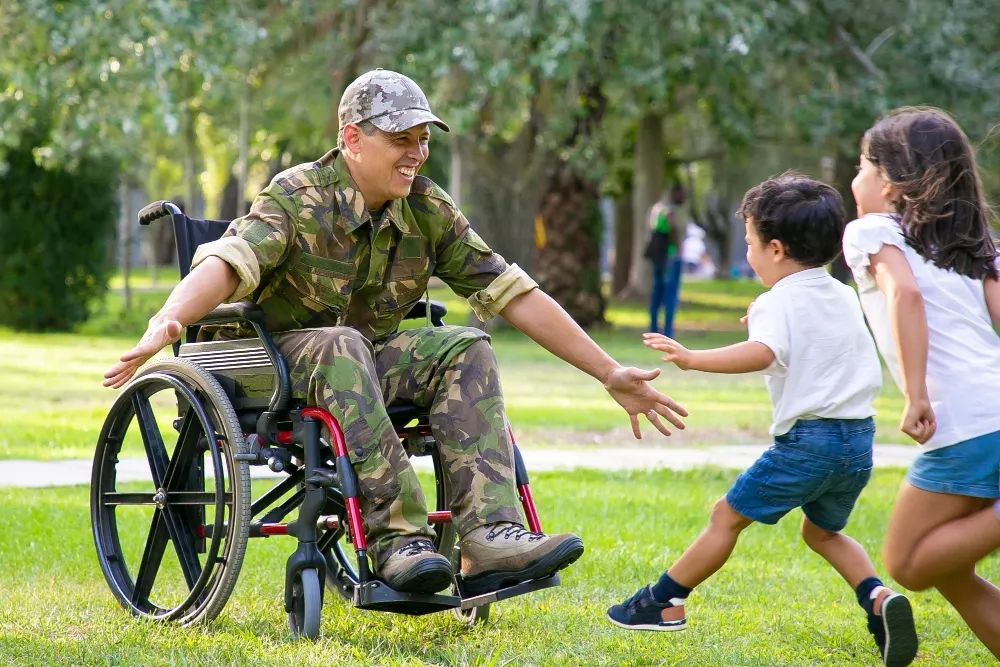
Blog HISA Grant for Veterans: Eligibility, Bathroom Remodel & Application Process April 7, 2026 No Comments Jason Brooks Understanding How the HISA Grant Can Transform Your Home for Accessibility The HISA grant — short for Home Improvements and Structural Alterations, is a VA benefit that provides funding to eligible veterans for medically necessary home modifications. It covers accessibility upgrades like bathroom remodeling, ramps, and stair glides. Veterans with service-connected or qualifying non-service-connected disabilities may qualify, with lifetime funding limits based on disability status. Purpose of HISA Grant Coming home after military service should feel safe, comfortable, and dignified. But for many veterans living with physical disabilities, the reality is different. Standard homes aren’t built for mobility challenges, and everyday tasks — using the bathroom, entering the front door, navigating stairs — can become serious obstacles. The Department of Veterans Affairs recognizes this. Through a range of VA home improvement programs, disabled veterans can access funding and support to make their living spaces safer and more functional. Among these programs, the HISA grant stands out as one of the most impactful and accessible tools available. Whether you’re a veteran who suffered a service-connected injury, or a family member helping a loved one regain independence at home, understanding how this program works can be life-changing. This guide breaks down everything you need to know — from eligibility and benefit amounts to the step-by-step application process, so you can take action with confidence. What Is the HISA Grant? The HISA program — formally known as Home Improvements and Structural Alterations, is a VA benefit administered through Veterans Health Administration (VHA). Its purpose is straightforward: to help veterans make medically necessary home modifications that support their treatment or improve their ability to live independently. provides financial assistance to eligible veterans who need medically necessary home modifications. In simple terms, it provides financial assistance to eligible veterans for these modifications. Unlike some one-time reimbursements that focus exclusively on purchasing or refinancing homes, the HISA benefit is a lifetime benefit, meaning the funding can be used across multiple projects over time. It’s designed to bridge the gap between a veteran’s disability and a home that wasn’t built with that disability in mind. The program is managed through each VA medical center’s Prosthetic and Sensory Aids Service, which oversees the approval, funding, and inspection process. Who Qualifies for the HISA Grant? Understanding eligibility is the first step in determining whether the HISA program can help you. Service-Connected Veterans A veteran may qualify for the higher tier of HISA benefit amounts if they meet the following criteria: The beneficiary has a service-connected disability rated by the VA The home improvement or structural alteration is needed to address a compensable disability treated as service-connected or to accommodate the effects of that disability The veteran is entitled to medical services under 38 U.S.C. through the VA Veterans with a service-connected disability rated at least 50 percent — meaning rated at least 50 percent, are eligible for the maximum benefit tier. However, even veterans with lower ratings or non-service-connected conditions may still qualify for a lower benefit amount under the HISA program. Non-Service Connected Veterans Veterans who do not have a service-connected condition but receive VA care may qualify for HISA assistance at a reduced funding level. To be eligible in this category, the veteran must be receiving VA medical care for the condition that requires home modification. If you are unsure whether your situation qualifies, you can check your grant eligibility directly. What Does the HISA Grant Cover? The HISA grant covers a broad range of improvement or structural alteration projects, as long as they are medically necessary and directly related to a veteran’s disability or treatment plan. Here’s a closer look at what qualifies: Bathroom Remodeling and Hygiene Modifications This is one of the most common uses of the HISA grant. Roll-in showers, accessible sinks, grab bars, lowered counters, and widened doorways all fall under eligible VA bathroom remodeling improvements. Ramps and Entrance Modifications Construction of permanent ramping, improving entrance paths or driveways, and building accessible entryways are all covered. If a veteran uses a wheelchair or has mobility limitations, modifying how they enter and exit the home is a primary focus of the program. Stair Glides and Porch Lifts For multi-story homes, stair glides and porch lifts offer critical assistance when full structural changes aren’t practical. These modifications allow veterans to safely navigate their living space without risk of falls or injury. Other Structural Modifications Beyond bathroom and entryway work, the HISA grant supports a broad range of necessary improvements and structural alterations that help make a home more accessible for a veteran’s daily living and directly support their medical needs. Additional eligible modifications include: Widening interior doorways and hallways Lowering kitchen counters or cabinets Installing handrails Plumbing modifications for kitchen accessibility Electrical adaptations to accommodate medical equipment Notably, home security systems do not qualify — the focus must remain on medical necessity tied to the disability. HISA Grant for Bathroom Remodel (VA Bathroom Remodeling) For many veterans, the bathroom presents the highest risk of injury at home. Falls in the shower or tub are a leading cause of serious harm among people with mobility or balance impairments — and for disabled veterans, this is a daily reality. The HISA grant specifically supports VA bathroom remodeling projects when a physician determines that modifications are medically necessary. This means the improvement must be tied directly to a veteran’s condition, not simply cosmetic or convenience-driven. Common approved bathroom modifications include: Roll-in showers for wheelchair users Grab bars near toilets and in shower areas Raised toilet seats or toilet modifications Non-slip flooring to prevent falls Widened doorways to allow wheelchair or walker access Accessible vanities with knee clearance Consider a veteran who sustained a spinal cord injury during service and now uses a wheelchair. Their standard bathroom has a tub with no accessible entry and a narrow doorway. A HISA-funded bathroom renovation could transform that space with
Grants for Churches: Church Building Grants & How to Apply (2026)

Blog Grants for Churches: Church Building Grants & How to Apply (2026) April 7, 2026 No Comments Michelle Bennett Grants for Churches: Church Building Grants & How to Apply (2026) Church grants are awarded funds—from government agencies, private foundations, and nonprofit organizations—that help faith-based organizations cover ministry expenses, building projects, community programs, and more. To qualify, churches typically must operate as 501(c)(3) nonprofits, demonstrate community impact, and submit a detailed grant application aligned with the funder’s mission. Why Churches Need Grants in 2026 Running a church in 2026 is more financially demanding than ever. Beyond Sunday services, most congregations are managing food pantries, after-school programs, counseling services, and aging facilities that require constant upkeep. Donations from members, while generous, rarely stretch far enough to cover it all. That’s why thousands of churches in the U.S. are turning to grants—structured funding opportunities that provide real money without repayment obligations. Whether your ministry needs funds for a roof replacement, community outreach expansion, or a new fellowship hall, there are grants for churches designed to meet those needs. This guide breaks down exactly Where to find funding How to apply How to maximize your chances of approval From federal programs to private foundations, the funding landscape for faith-based organizations is broader than most church leaders realize—and 2026 brings new grant opportunities worth pursuing now and in the years ahead. What Are Grants for Churches? A church grant is a monetary award given to a religious or faith-based organization to support a specific project, program, or operational need. Unlike a loan, church grant money does not need to be repaid, making them one of the most attractive funding sources for churches looking to expand their impact. Unlike donations, grants come with formal agreements, reporting requirements, and often strict eligibility criteria. It is important to understand the distinction: Donations are voluntary gifts from individuals Loans require repayment with interest Grants are competitive awards from foundations, corporations, or government entities with defined purposes and accountability measures. Churches can receive grants because many operate as nonprofit organizations under 501(c)(3) status, making them eligible for the same funding programs that community organizations and social service agencies pursue. Faith-based organizations are explicitly recognized in many federal and state grant programs, particularly those focused on community service, housing, education, and hunger relief. The year 2026 marks an especially active period for congregational funding, with several major funders having renewed or expanded their portfolios heading into this grant period. However, there’s an important distinction that often surprises many organizations: most grants do not fund religious activities such as worship, evangelism, or doctrinal teaching. Instead, they focus on the broader social contributions churches make to their communities. Foundations That Give Grants to Churches Understanding which foundations that give grants to churches are currently active is the first step toward finding the right fit for your congregation. Lilly Endowment Inc. is one of the most significant private funders of religious life in the country. Lilly Endowment has invested hundreds of millions of dollars into Christian ministry, theological education, leadership development, and congregational vitality over the past several decades. The National Trust for Historic Preservation administers the African American Cultural Heritage Action Fund and other historic preservation programs that directly benefit the community by protecting culturally significant religious properties. Government agencies at the federal, state, and local level also provide grants for church-run social programs. The U.S. Department of Housing and Urban Development (HUD), the Department of Health and Human Services (HHS), and the USDA all operate grant programs that religious organizations can access—particularly when they provide resources to help low-income residents, operate food assistance programs, or support affordable housing development. Private foundations such as the W.K. Kellogg Foundation, the Ford Foundation, and many community foundations across the country fund programs aligned with youth development, education, hunger relief, and humanitarian efforts. List of Grants for Churches Here is a practical, structured list of grants for churches currently available or expected to be open in 2026: Church Building Grants Funds for new construction, expansion, or the development of a church building fund for a planned capital project. Often available through USDA Rural Development and community development financial institutions (CDFIs). Church Renovation Grants Church renovation grants cover interior and exterior upgrades, accessibility improvements, and structural repairs. HUD’s Community Development Block Grant (CDBG) program—administered through local municipalities—is a leading source for this type of funding. Grants for Church Repairs Grants for church repairs address urgent structural needs such as roof replacement, HVAC systems, plumbing, and electrical upgrades. Free grants for church repairs are available through several state historic preservation offices (SHPOs) and national preservation programs. Historic Preservation Grants Available to churches listed on or eligible for the National Register of Historic Places. The National Trust for Historic Preservation and state-level SHPOs are primary sources, with funding for both urgent repairs and long-term preservation planning. Community Program Funding Grants supporting church-run food banks, job training, after-school programs, community engagement initiatives, and other direct service programs. Federal agencies, private foundations, and United Way chapters all fund this category actively. Youth and Young Adults Programming Grants Targeted grants for ministry programming focused on youth development, mentorship, and leadership training for younger congregation members. Capital Projects Grants Broader grants for capital improvements including land acquisition, major renovations, and infrastructure development that benefit the community. Grants for Church Building Projects & Repairs For congregations facing aging infrastructure or planning expansion, grants for church building projects represent one of the most impactful funding opportunities available. Free grants for church repairs are more accessible than most church leaders assume. State historic preservation offices administer annual funding cycles with grants specifically for religious properties. USDA Community Facilities grants provide resources to help rural churches improve or repair physical infrastructure. And HUD’s CDBG program allows municipalities to channel federal dollars toward faith-based organizations doing meaningful work in their local communities. When pursuing grants for church building projects, always document the community benefit clearly. Funders want to see that capital improvements serve not just the congregation
Ohio Small Business Grants: Funding Opportunities, Eligibility, and How to Apply

Blog Ohio Small Business Grants: Funding Opportunities, Eligibility, and How to Apply April 1, 2026 No Comments GWC Introduction to Ohio Small Business Grants Ohio small business grants are non-repayable funds provided by state, local, and federal programs to help businesses start, expand, or innovate. To apply, businesses must meet eligibility requirements, prepare necessary documents, and submit applications through official grant portals or agencies such as JobsOhio or local development organizations. Overview of Ohio Small Business Funding Landscape Ohio offers a robust ecosystem of funding opportunities, making it one of the most business-friendly states in the U.S. Entrepreneurs can access state, federal, and private grants, each designed to support different business stages and industries. Key Statistics and Funding Volume Recent data shows that Ohio provides access to over $2.1 billion in funding across 70+ programs, with average processing times of 45–60 days. This indicates a highly active funding environment where businesses have multiple avenues to secure capital. Major Funding Sources Ohio small business grants typically come from three primary sources: State programs: Managed by agencies like JobsOhio and the Ohio Department of Development Federal programs: Including SBIR/STTR and USDA grants Private organizations: Corporate and nonprofit grant providers Post-award reporting: Supporting required progress and financial reports after funding is awarded This layered funding structure allows businesses to combine multiple funding streams for maximum financial leverage. Top Ohio State Grants for Small Businesses Ohio’s state-level grants are among the most valuable funding options due to their higher funding limits and targeted support. JobsOhio Small Business Grant The JobsOhio Small Business Grant is one of the most prominent programs, offering up to $50,000 in funding for eligible businesses. To qualify, businesses must: Operate for at least one year Generate $100,000–$25 million in annual revenue Belong to targeted industries like manufacturing, healthcare, or technology This grant is particularly beneficial for businesses planning expansion, purchasing equipment, or investing in workforce development. Ohio Third Frontier Program The Ohio Third Frontier program focuses on technology commercialization and innovation, offering grants up to $200,000 for startups. It is ideal for tech entrepreneurs looking to bring new products to market. Ohio Microbusiness Development Program Designed for very small businesses, this program supports companies with five or fewer employees, offering grants up to $45,000. It emphasizes job creation and economic growth in low-to-moderate-income communities. Local and City-Level Grant Programs Local governments in Ohio also provide targeted funding opportunities that are often easier to access than state or federal grants. Cleveland Tech Delta Program This program supports businesses relocating or expanding in Cleveland, offering up to $50,000 based on facility size and job creation. It is particularly attractive for tech and medical companies. Municipal Small Business Initiative This initiative helps reduce upfront costs for businesses by covering part of required capital investments. Grants can reach 15% of project costs, making it a valuable supplement to SBA loans. Federal Grants Available in Ohio Federal programs significantly expand funding opportunities for Ohio businesses, especially in innovation and rural development. SBIR/STTR Programs The Small Business Innovation Research (SBIR) and Small Business Technology Transfer (STTR) programs provide funding ranging from $50,000 to $1.8 million for technology-driven businesses. These programs are highly competitive but offer substantial rewards. USDA Rural Business Grants Businesses in rural Ohio can access USDA grants designed to support agriculture, infrastructure, and community development projects. These grants are particularly beneficial for businesses outside major urban centers. Regional & Local Ohio Grants Montgomery County Economic Development Grant Supports: – Construction – Renovations – Infrastructure improvements Applications typically submitted through local jurisdictions Sustainable Oxford Grant Program Covers up to 50% of project costs (max $1,000) Focus: sustainability upgrades (energy, waste, transportation) Appalachian Ohio Grants Funding: ~$1,000+ Target: Community and rural development projects Best for businesses in Appalachian regions of Ohio Private and Corporate Grants Private grants offer additional funding opportunities, often with fewer restrictions compared to government programs. Amber Grant for Women The Amber Grant provides $10,000 monthly awards, with annual grants reaching $50,000. It is specifically designed to support women entrepreneurs. Industry-Specific Grants Many private organizations offer grants tailored to specific industries, such as sustainability, healthcare, or technology. These grants often prioritize innovation and social impact. Eligibility Requirements for Ohio Grants Understanding eligibility is crucial before applying for any grant. General Requirements Most Ohio grants require: Business registration in Ohio Compliance with federal and state regulations Clear business plan and financial records Industry-Specific Criteria Certain grants target industries like manufacturing, aerospace, and healthcare. Businesses must demonstrate alignment with these sectors to qualify. What Are Small Business Grants? Small business grants are essentially free funding opportunities provided by governments, nonprofits, and private organizations to support business growth, innovation, and economic development. Unlike loans, grants do not require repayment, making them one of the most attractive funding options for entrepreneurs. However, this advantage comes with a trade-off—strict eligibility criteria and intense competition. If you’re exploring Ohio small business grants, it’s important to understand how they function in real-world scenarios. Grants are typically awarded to businesses that align with specific goals, such as job creation, technological advancement, sustainability, or community development. For instance, a manufacturing startup expanding operations in Ohio may qualify for state-backed incentives, while a rural business could access federal agricultural funding. Another key factor is that grants are often reimbursement-based. This means you must first spend money on eligible expenses and then receive funding after approval. This structure ensures accountability but also requires businesses to maintain strong financial planning. Grants vs Loans Explained Grants differ significantly from loans in both structure and expectations. Loans require repayment with interest, while grants provide capital without repayment obligations. However, grants often require detailed reporting, compliance checks, and measurable outcomes, such as job creation or revenue growth. How to Find Ohio Small Business Grants 1. State and Government Portals Ohio Development Services Agency Grants.gov database 2. Local Economic Development Offices City and county business development departments 3. Industry Networks and Chambers of Commerce Regional business associations Startup incubators and accelerators 4. Grant Databases and Aggregators Online funding
Oral Health Grants: How to Apply and Funding Opportunities in 2026

Blog Oral Health Grants: How to Apply and Funding Opportunities in 2026 April 2, 2026 No Comments GWC Understanding Funding Opportunities to Expand Access to Dental Care Tooth decay remains one of the most prevalent chronic diseases in the United States, yet it is almost entirely preventable. For millions of people — particularly those in low-income households, rural regions, and underserved communities — the barrier is rarely awareness. Without insurance, transportation, or a nearby provider, even basic preventive dental care can feel out of reach. This is where grant funding becomes transformative. Oral health grants are non-repayable funds awarded to nonprofits, dental professionals, community health centers, and public health agencies to support programs that improve dental care access and outcomes. To apply, organizations must identify an eligible funding source, prepare a compelling proposal, and submit a complete application through the funder’s designated portal or grants management system. This guide covers all the essential information you need to know. What Are Oral Health Grants? Oral health grants are competitive awards of non-repayable funding designated to support programs, research, training, or infrastructure that address gaps in dental services. Unlike loans, grant funds do not need to be returned — provided the recipient meets the stated goals and reporting requirements of the awarding organization. These grants differ from general health funding in that they are specifically designed to support oral health program development, dental workforce pipelines, preventive care expansion, and patient education. The funder may be a federal agency such as the Health Resources and Services Administration (HRSA), a private charitable foundation, a dental association, or a state health department. Each comes with its own mission, eligibility criteria, and application process. Why Oral Health Funding Matters? The case for sustained investment in oral health is both clinical and social. Untreated dental disease is linked to systemic conditions including diabetes, cardiovascular disease, and preterm birth — meaning that poor oral health doesn’t stay in the mouth. Addressing it requires a coordinated, well-funded effort. Access to care remains the most urgent challenge. An estimated 49 million Americans live in dental health professional shortage areas, and many rural and low-income urban communities have limited or no providers accepting Medicaid patients. Health equity demands that access to oral health services reaches people regardless of income, geography, or insurance status. Grants targeted at underserved populations can fund mobile dental units, school-based prevention programs, and sliding-scale clinics that fill these critical gaps. Preventive dental care — including sealants, fluoride varnish applications, and oral health education — is dramatically more cost-effective than restorative treatment. Funding prevention early saves both lives and healthcare dollars downstream. For people and communities facing the greatest barriers, grant-funded programs are often the primary and sometimes only pathway to care. Types of Oral Health Grants Available Funding opportunities span a wide range of program types, allowing organizations to find a match for their specific mission. Community-based Programs Community-based programs support local organizations that deliver direct dental services, mobile care, or community service outreach in underserved neighborhoods and rural regions. Preventive Care Initiatives Preventive care initiatives fund programs that promote oral health through education, screenings, and early intervention — particularly for pediatric populations and pregnant women. Workforce Development Grants Workforce development grants help develop and implement training programs for dentists, dental hygienists, and allied health professionals, with priority often given to those serving underrepresented or shortage-area communities. Pediatric Dental Programs Pediatric dental programs address the disproportionate burden of early childhood caries, often targeting school districts, Head Start programs, and community clinics serving children from low-income families. Research & Extramural Funding Research and extramural funding supports academic institutions and dental school faculty conducting clinical, translational, or public health research on oral disease prevention and treatment disparities. While oral health grants focus on improving dental care access and outcomes, there are many other funding opportunities available across industries. Learn more in our detailed guide on Types of Grants Available in the US. Top Oral Health Grant Opportunities in 2026 Several major programs fund oral health work at the federal, state, and foundation levels. HRSA Health Center Program The HRSA Health Program continues to fund federally qualified health centers (FQHCs) and look-alike organizations, many of which support oral health services as part of comprehensive primary care. Organizations in Puerto Rico, the Virgin Islands, and underserved U.S. territories are explicitly eligible, and priority is given to applicants serving high-need areas. CDC Oral Health Program The CDC Oral Health Program funds state and territorial health agencies to implement evidence-based strategies — including school sealant programs and water fluoridation monitoring — and may extend cooperative agreements to partner organizations working in data, surveillance, or community health education. DentaQuest Foundation and Similar Private Grantors The DentaQuest Foundation and other private grantors represent a robust layer of philanthropic funding. The foundation’s focus is on systemic change in oral health financing, delivery, and policy. The foundation will consider proposals from nonprofits with demonstrated community reach and capacity. In many cycles, the foundation board reviews applications on a quarterly basis. American Dental Association Foundation The American Dental Association Foundation (ADAF) offers dental grants supporting access programs, disaster relief, and scholarship awards for students pursuing dentistry, particularly those from underrepresented backgrounds pursuing a residency or advanced training. Robert Wood Johnson Foundation The Robert Wood Johnson Foundation funds health equity-focused initiatives and has historically supported collaborative, medical-dental integration models, addressing the intersection of oral and overall health. Each program provides specific guidance on eligible activities, award amounts, and the application timeline. Researching each funder’s priorities before beginning your proposal is essential. Eligibility Requirements for Oral Health Grants Eligibility varies by funder, but most grant programs share a consistent set of applicant qualifications. Nonprofits with 501(c)(3) status verified by the IRS Dental professionals and practices may qualify for specific grant types — particularly workforce, scholarship, or direct service programs. Community health organizations, FQHCs, dental schools, hospitals, and public health agencies are broadly eligible for government-funded programs. Applications must typically show: Evidence of nonprofit status Defined service population Credible organizational
Animal Shelter Grants: How to Find, Apply, and Get Funded in 2025–2026
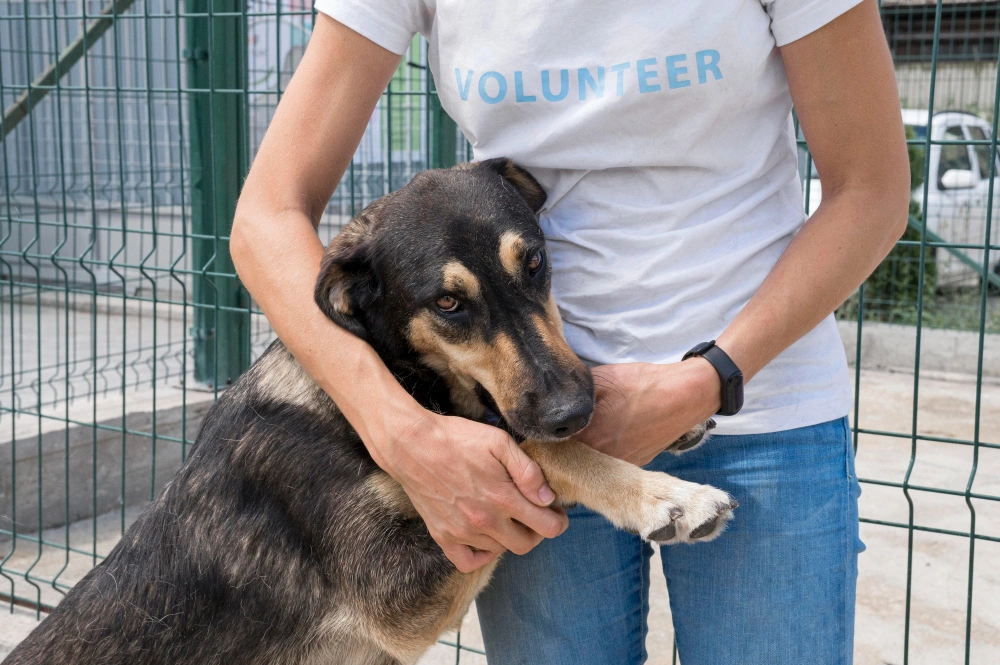
Blog Animal Shelter Grants: How to Find, Apply, and Get Funded in 2025–2026 April 2, 2026 No Comments Emily Carter Your Step-by-Step Guide to Securing Funding for Lifesaving Animal Programs Animal shelter grants are dedicated funds awarded to nonprofits, rescue organizations, and humane societies to support animal care, operations, and lifesaving programs. To apply, organizations typically need 501(c)(3) status, a clear project description, and a completed application submitted through a funder’s official portal or letters of interest process. Animal shelters operate at the frontline of animal welfare, providing rescue, rehabilitation, medical care, and rehoming services. Securing consistent funding is the foundation of a sustainable animal rescue or sanctuary. In this comprehensive guide, you will get an actionable framework for identifying, applying for, and managing animal shelter grants—optimized for organizations seeking long-term growth, operational stability, and measurable impact. Understanding Animal Shelter Grants and Their Importance Running an animal shelter is one of the most mission-driven, resource-intensive endeavors in the nonprofit sector. Staff, veterinary care, food, facility upkeep, and emergency response all demand consistent funding—yet donations alone rarely cover everything. For thousands of shelters and rescue groups across the country, grants are not a bonus; they are a lifeline. The good news is that 2025 and 2026 represented a period of significant investment in animal welfare. Major foundations, pet industry corporations, and private donors are channeling millions into the sector. The challenge is knowing, Where to look How to apply How to make your organization stand out This guide is built for shelter directors, rescue coordinators, and animal welfare professionals who want real answers — not vague advice. Whether you are a first-time applicant or a seasoned grant seeker looking to expand your funding base, this resource will walk you through every step of the process. What Are Animal Shelter Grants? Animal shelter grants are non-repayable funds awarded by foundations, corporations, and government agencies to organizations that provide care for animals. Unlike loans, grants do not need to be paid back — making them one of the most valuable financial tools available to the nonprofit animal welfare community. These funds can support a wide range of programs: from building new kennel facilities and adoption services to funding spay/neuter initiatives, from training shelter staff to purchasing medical equipment. Grant funding is typically project-specific or tied to measurable outcomes, meaning funders want to see how their investment will create demonstrable impact. With millions of animals entering shelters every year, funding gaps can directly affect survival rates and quality of care. That’s why grant programs often prioritize projects that improve adoption outcomes, reduce euthanasia rates, and enhance community outreach efforts. Grants are available to a broad range of applicants, including municipal shelters, private humane societies, companion animal rescue organizations, and foster-based networks. The eligibility criteria vary by funder, but most require that the recipient organization hold 501(c)(3) nonprofit status and operate transparently with documented financials. Top Animal Shelter Grant Opportunities in 2026 Understanding the funding landscape starts with knowing who is giving and what they support. ASPCA Grants The ASPCA offers multiple grant programs targeting shelters and rescue organizations working to reduce euthanasia, strengthen community cat management, and expand access to veterinary services. ASPCA grants are competitive and often favor organizations with strong data systems and demonstrated community partnerships. Their grant cycle typically opens annually, and letters of interest or full applications are reviewed on a rolling or cohort basis. PetSmart Charities PetSmart Charities is one of the largest funders in the companion animal space, distributing millions of dollars each year to organizations focused on ending pet homelessness. Their grant program supports adoption events, foster care infrastructure, and community-based safety net programs. PetSmart Charities funds both small local rescues and large regional humane societies, making it one of the more accessible grant opportunities for organizations of varying sizes. Petco Love Petco Love (formerly the Petco Foundation) invests in lifesaving work through its national network of pet adoption partners. The organization provides financial support to groups actively saving lives in shelters and rescues, with an emphasis on data-driven impact. Their grants are structured around measurable outcomes, particularly live release rates and adoption numbers. Bissell Pet Foundation The Bissell Pet Foundation focuses specifically on ending pet homelessness. It funds spay/neuter programs, emergency foster campaigns, and large-scale adoption events. The foundation’s “Empty the Shelters” initiative has partnered with hundreds of shelters across the country to cover adoption fees and fund operational support during high-intake seasons. Banfield Foundation The Banfield Foundation provides veterinary care funding to underserved shelters and nonprofits. Their grant program offers financial assistance for medical equipment, preventive care, and emergency veterinary services. Organizations that serve low-income pet owners or operate in medically underserved regions are particularly well-positioned to receive Banfield Foundation support. Pedigree Foundation The Pedigree Foundation has a clear mandate: help more dogs find loving homes. Their grants target adoption programs, shelter improvements, and community outreach that increases dog placement rates. The Pedigree Foundation grant program is a good fit for registered nonprofits with a direct focus on dog welfare. Best Friends Animal Society Best Friends Animal Society funds mission-aligned organizations through its network grants and targeted programs. Their support is especially valuable for shelters working toward no-kill goals, community cat programs, and regional collaboration initiatives. Best Friends frequently co-invests with local shelters to expand capacity and implement best practices in animal care. Rachael Ray Save Them All Grants The Rachael Ray Save Them All Grants program — formally known as the Rachael Ray no-kill excellence initiative — provides funding to shelters and rescues committed to ending unnecessary euthanasia. These grants have supported hundreds of organizations in building the infrastructure needed to achieve and maintain no-kill status. The program is particularly attentive to how organizations use data to drive lifesaving decisions. Types of Grants Available for Animal Shelters The grant landscape for animal welfare spans several distinct funding categories: Disaster Relief Grants When natural disasters strike, pets in need face compounding crises. Disaster relief grants provide emergency funding to nonprofit animal welfare organizations impacted
Do You Have to Pay Back a Federal Grant?

Blog Do You Have to Pay Back a Federal Grant? March 27, 2026 No Comments GWC What You Need to Know Before Assuming It’s Free Money Most federal grants do NOT need to be repaid. Unlike student loans, grants are considered free money awarded based on financial need or other criteria. However, there are specific circumstances — such as dropping out, changing your enrollment status, or receiving more aid than you’re eligible for — where repayment may be required. Always review your grant agreement carefully. Do You Have to Pay Back a Grant? Here is the straightforward answer: grants are a valuable resource because they usually do not require repayment. They exist to provide financial support without creating additional debt.. As Federal Student Aid officially noted on September 17, 2025: “Federal grants typically don’t need to be repaid, except under certain circumstances.” You can find more information at https://www.facebook.com/FederalStudentAid/posts/federal-grants-typically-dont-need-to-be-repaid-except-under-certain-circumstanc/1203445448496755/. When grants do NOT require repayment: You complete your coursework and meet all eligibility requirements You maintain satisfactory academic progress throughout the term You don’t receive more grant funds than you’re entitled to Your enrollment status remains consistent with what was reported on your financial aid application When grants MAY require repayment: You withdraw from school before completing the semester You change your enrollment status (e.g., drop from full-time to part-time) You receive grant funds you were not actually eligible for You fail to fulfill the obligations tied to a specific grant program (such as the TEACH Grant service requirement) Understanding the difference between these two categories can protect you from unexpected repayment demands in the future. What Is a Federal Grant? A federal grant is a financial award provided by a national (federal) government to individuals, organizations, state or local governments, or institutions for a specific public purpose. These purposes often include areas such as education, scientific research, healthcare, infrastructure development, and social services. Federal grants are typically awarded based on eligibility criteria and an application process. Applicants may need to submit proposals explaining how they plan to use the funds and how their project aligns with government objectives. Unlike loans, federal grants do not need to be repaid, provided that the recipient follows all the terms and conditions attached to the grant. However, recipients are usually required to report on how the money is used and ensure it is spent only for the approved purpose. If you’re specifically interested in education-related funding, you may also want to explore our detailed guide on “What Is the Federal Pell Grant? A Complete Guide for 2026–27”, which explains one of the most popular federal grants available to students. Grants vs. Student Loans: Key Differences Understanding the difference between grants, loans, and scholarships is essential before diving into repayment rules. Feature Federal Grants Student Loans Repayment Required No (with exceptions) Yes, always Interest Accrued No Yes (on unsubsidized and PLUS loans) Based On Financial need / eligibility Enrollment + credit (for PLUS) Lifetime Limit Yes (Pell: 12 semesters) Varies by loan type Impact on Credit None Yes Application Process FAFSA FAFSA + MPN (Master Promissory Note) The key distinction is simple: a grant is a gift, while a student loan is a debt. Exhausting all grant options before accepting a student loan is always the smarter financial move for those who qualify. To dive deeper, check out our comprehensive guide on Difference Between Grants, Loans, and Scholarships, which breaks down the nuances and helps you make informed financial decisions. Common Types of Federal Grants and Their Rules Pell Grants Pell Grants are among the most widely used federal education grants in the United States. For the 2025–2026 academic year, the maximum award is approximately $7,395. These grants are need-based and designed to help low-income students cover college expenses. Under normal circumstances, Pell Grants do not need to be repaid. However, as mentioned earlier, withdrawing from school early or failing to maintain eligibility can result in partial repayment obligations. TEACH Grants TEACH Grants are conditional from the start. They provide funding to students pursuing careers in teaching, particularly in high-need subjects and underserved areas. The catch is the service requirement. Failure to fulfill this requirement will convert the grant into a Direct Unsubsidized Loan. This conversion can be financially significant because interest is applied retroactively from the date the grant was disbursed. As a result, recipients must carefully evaluate their ability to meet the service commitment before accepting the grant. Business & Research Grants Federal grants for businesses and research institutions follow a different structure. These grants are typically project-based and come with strict reporting and performance requirements. Mismanagement, failure to meet milestones, or lack of proper documentation can lead to repayment demands. In severe cases, especially involving fraud, penalties can extend beyond repayment to include legal consequences and substantial fines. These are just a few of the most common federal grants. If you want a complete breakdown of all major funding categories, read our full guide on Types of Grants Available in the US. When Do You Have to Repay a Federal Grant? While grants usually don’t come with repayment requirements, there are several real-world reasons why you might end up owing money back. Here’s what to watch out for: 1. Failure to Meet Grant Conditions If funds are used outside the approved scope, the issuing agency may require full or partial repayment. Examples include: Using funds for personal expenses Redirecting funds to unauthorized projects Misreporting financial usage 2. Early Withdrawal (Education Grants) If you withdraw from school before completing more than 60% of an enrollment period, the federal government uses a process called “Return to Title IV” to calculate how much grant money you actually earned. This is calculated based on the percentage of the term completed. 3. Change in Eligibility Status If a recipient no longer meets eligibility criteria—such as income thresholds, enrollment status, or organizational qualifications—they may need to repay disbursed funds. 4. Fraud or Misrepresentation Any form of intentional misrepresentation, falsified documents, or fraudulent claims will result in